Colorado ranchers adopt new practices to coexist with wolves
New ranching practices are being explored in Colorado to help ranchers coexist with the recovering wolf population, which poses threats to livestock. Successful adaptation could lead to sustainable l…
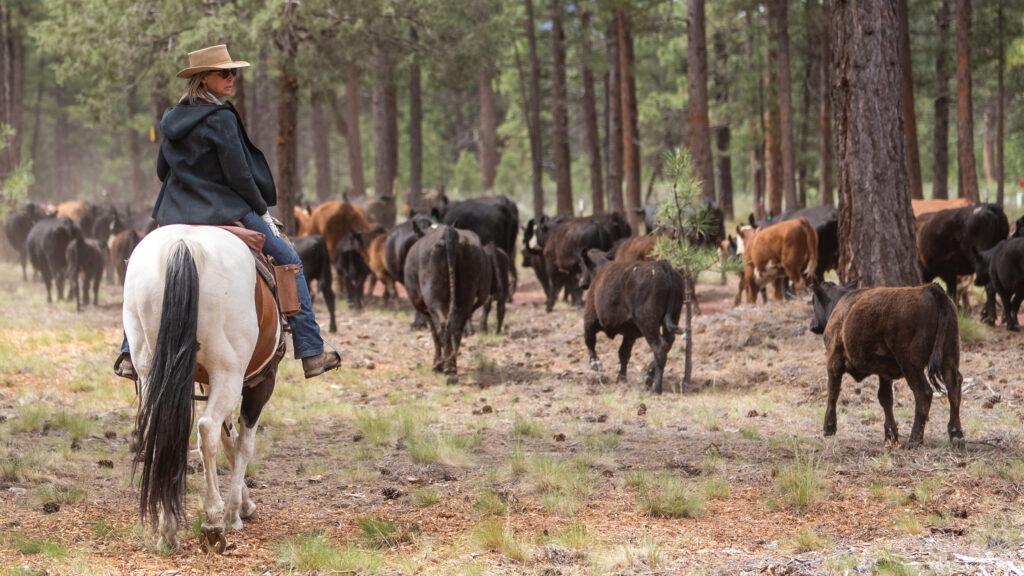
Keri Brandt Off was helping a friend in Del Norte, Colorado, when a heifer broke from her herd, charging at a cowboy who had just tagged her calf. The incident highlighted the challenges ranchers face as they manage livestock in areas where wildlife, particularly wolves, roam. As wolf populations recover in parts of the West, ranchers are increasingly concerned about the threats these predators pose to their cattle.
The push for better coexistence between cattle and wolves has gained momentum due to the resurgence of wolf populations after decades of decline. In Colorado, where wolves were extirpated in the 1940s, a reintroduction initiative passed in 2020 aims to restore their numbers by 2023. As ranchers and wildlife advocates grapple with this change, new ranching practices are being explored to minimize conflicts. These practices include using guard animals, moving cattle more frequently, and employing non-lethal deterrents to protect livestock.
The stakes are high for both ranchers and conservationists. Ranchers like Kyler Brown rely on healthy herds for their livelihoods, while advocates argue that wolves play a critical role in maintaining ecological balance. Figures from the U.S. Fish and Wildlife Service indicate that livestock losses to wolves can be significant, with ranchers reporting thousands of dollars in damages annually. Yet, studies show that with proper management, many ranchers can reduce these losses effectively.
Looking ahead, the success of new ranching practices could determine the future of both cattle and wolves in Colorado. If ranchers can adapt to coexist with wolves, it may pave the way for more sustainable livestock production and wildlife preservation. The outcomes of these efforts will not only impact local economies but also influence broader discussions about biodiversity and land use across the West.
Read Full Story at Inside Climate News →