Caritas, Catholic youth lead flood emergency response in Bangladesh
Catholic charity Caritas Bangladesh and the Catholic youth group, Jesus Youth, are working to support the neediest in the midst of the crisis.
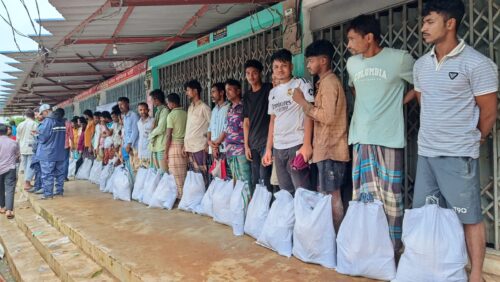
Catholic charity Caritas Bangladesh and the Catholic youth group, Jesus Youth, are working to support the neediest in the midst of the crisis. This r
Read Full Story at Crux Now →Why This Matters
The Catholic Church’s grassroots mobilization in Bangladesh’s flood crisis underscores the critical role of faith-based organizations in humanitarian emergencies, where state resources often fall short. Beyond immediate relief, this effort reinforces the Church’s long-standing presence in local disaster response, blending spiritual outreach with practical aid—a model that resonates in climate-vulnerable regions globally.
Background Context
Bangladesh’s susceptibility to floods stems from its geography, with monsoon rains swelling rivers like the Meghna and Ganges, displacing millions annually. While international aid flows into the country, rural communities—especially in northern and central districts—remain chronically underserved due to infrastructure gaps and bureaucratic delays, creating a void Caritas and local Catholic groups have filled for decades.
What Happens Next
The trajectory of this response hinges on the monsoon’s duration and donor commitments, with Caritas likely scaling up short-term shelters before transitioning to long-term rehabilitation. Observers will watch whether Bangladesh’s government integrates these faith-based networks into national disaster frameworks, or if their involvement deepens as climate change intensifies flooding.
Bigger Picture
This intervention aligns with a broader trend where religious institutions—from Islamic charities to Catholic networks—are stepping into gaps left by secular aid systems, particularly in climate-stressed nations. Globally, faith-based groups now account for nearly a third of humanitarian funding, hinting at a future where their role in crises may become as institutionalized as traditional NGOs.