Archaeologists identify medieval skeleton in Roman sarcophagus at Westminster Abbey
Archaeologists have identified a medieval skeleton buried in a Roman-era sarcophagus at Westminster Abbey, confirming it belonged to a likely abbot from the early 11th century. This discovery highlig…
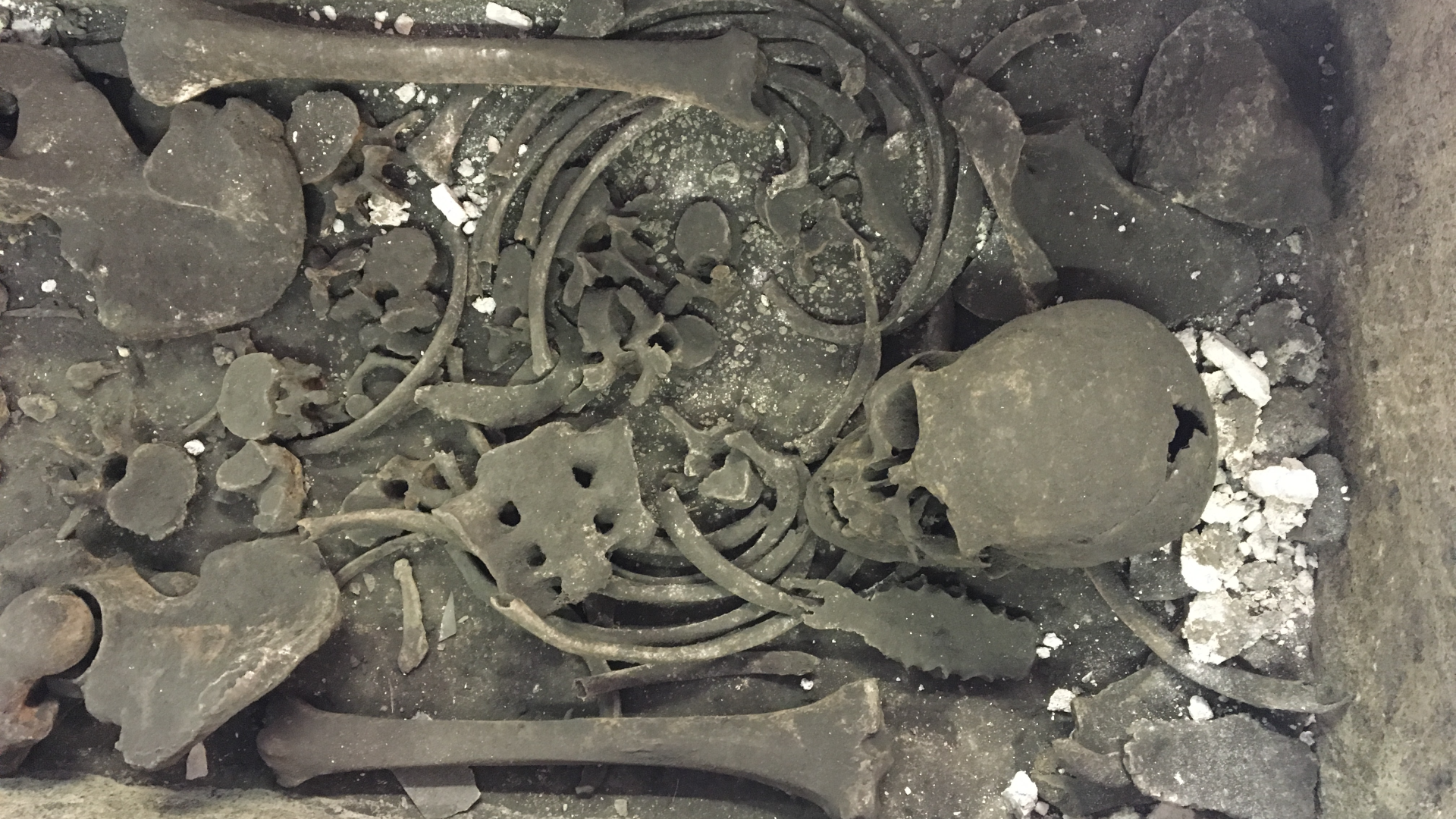
Westminster Abbey’s consulting archaeologist has identified the medieval man buried in a Roman‑era stone sarcophagus after a 150‑year mystery, publishing the findings on Oct. 21 in the Journal of the British Archaeological Association. The skeleton, uncovered when the coffin was opened for conservation in 2016, dates to the late 10th or early 11th century and appears to be an abbot whose remains were placed in a repurposed Roman tomb.
The sarcophagus was first found by the abbey’s chief mason in 1869. Its lid bears a large 11th‑century Anglo‑Saxon cross, while the stone’s side carries a fourth‑century Latin inscription commemorating “Valerius Amandinus” and his sons. Early investigators assumed the tomb had been looted and emptied long before, leaving the medieval burial a puzzling anomaly. Over the next century scholars debated whether any bones remained, until the 2016 conservation work revealed a full, though disturbed, skeleton inside.
Bioarchaeologist James Langthorne noted the remains belong to a middle‑aged male of average height, with signs of osteoarthritis, two healed rib fractures and gout. Carbon‑dating placed the bones between AD 987 and 1052, confirming the Roman coffin had been reused in the Middle Ages. The skull, previously damaged, was reconstructed with wire and glue before the skeleton was resealed. Warwick Rodwell, the lead archaeologist, argues the stature of the burial—stone sarcophagus, prominent cross, and lack of grave goods—points to a high‑ranking cleric, most likely an abbot. By cross‑referencing the dates of Westminster’s abbots, Rodwell narrowed the candidate list to Wulfsige, who served in the early 11th century.
The discovery adds a rare example of Roman material being repurposed for medieval ecclesiastical burials and offers a tangible link between two distant periods of British history. The sarcophagus, now on display in the abbey, will allow visitors to see the layered narrative of reuse, while the research underscores the value of revisiting long‑studied artifacts with modern techniques. Future analysis may refine the identification further and shed light on the health and lifestyle of senior clergy in pre‑Norman England.
Read Full Story at Live Science →