Podcast explores livestock fattening's impact as consumers demand ethical meat
Inside Climate News' podcast discusses the environmental, ethical, and health impacts of livestock fattening practices in the U.S. As consumer demand for sustainable and ethical meat options rises, t…
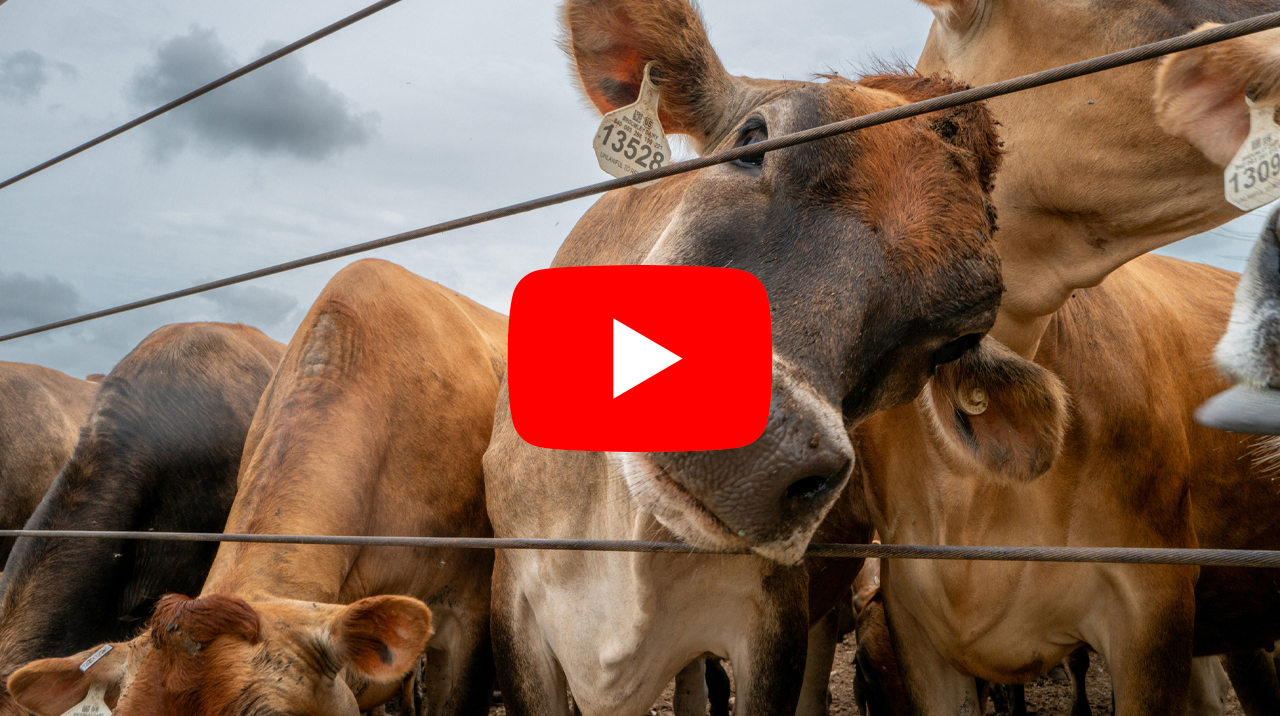
Inside Climate News launched a new podcast episode focused on the impacts of animal fattening practices in the United States. Co-host Jake Bolster interviewed reporters Georgina Gustin and Lisa Sorg about the environmental, ethical, and health implications of how livestock is raised for meat production. This episode highlights the complexities of the meat industry and its consequences for society and the planet.
The conversation is timely as the meat industry faces increasing scrutiny. Climate change concerns and rising awareness about animal welfare are prompting a shift in consumer behavior. More people are questioning the sustainability of current farming practices, which often prioritize profit over environmental impact. As the demand for more ethical and sustainable food options grows, the meat industry is at a crossroads, needing to adapt to changing consumer values.
In the podcast, Gustin and Sorg detail how intensive farming practices lead to significant greenhouse gas emissions, deforestation, and water depletion. They address the health risks associated with consuming heavily processed meats. Additionally, they emphasize the ethical implications of livestock treatment and the need for transparency in how animals are raised and slaughtered. With the U.S. being one of the largest meat producers globally, the decisions made in this sector have far-reaching consequences.
Looking ahead, the podcast suggests that the meat industry may need to embrace more sustainable practices or risk losing market share to plant-based alternatives. As consumers become more informed, they are likely to demand better practices from producers. This shift could lead to changes in policy, with lawmakers increasingly urged to encourage sustainable agriculture and animal welfare. The conversation around meat consumption is evolving, and the industry will need to keep pace to remain relevant in a changing marketplace.
Read Full Story at Inside Climate News →