Researchers develop nanoreactor that converts sunlight into hydrogen peroxide
Researchers have created a hollow nanoreactor that efficiently converts sunlight into hydrogen peroxide, offering a greener alternative to traditional, energy-intensive production methods. This techn…
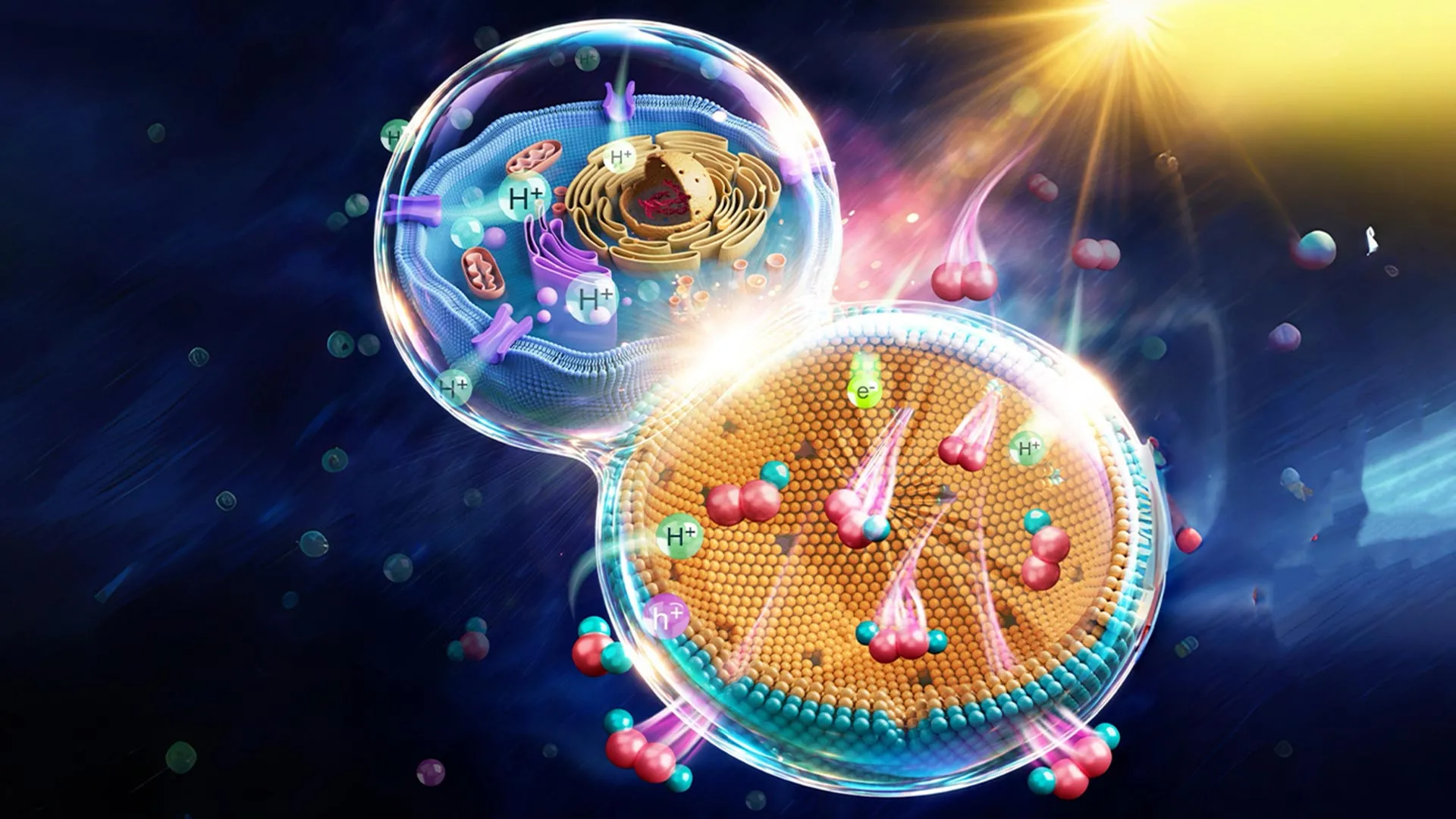
Researchers have developed a new hollow nanoreactor that can efficiently convert sunlight into hydrogen peroxide. This innovative technology uses a light-trapping cavity and a proton-shuttling shell, mimicking the processes found in living cells. The breakthrough was announced in a recent study and could have significant implications for cleaner chemical manufacturing and advancements in artificial photosynthesis.
This development comes at a critical time as the world seeks sustainable solutions to pressing environmental issues. Hydrogen peroxide is widely used in various industries, including healthcare and environmental remediation, but traditional production methods can be energy-intensive and produce harmful byproducts. The new nanoreactor aims to address these shortcomings by leveraging visible light, offering a greener alternative to conventional chemical processes.
The implications of this technology are vast. Hydrogen peroxide has applications in disinfection, bleaching, and as a propellant in rocket fuel, making efficient production essential for both industry and research. Current methods rely heavily on fossil fuels, contributing to carbon emissions and climate change. By utilizing sunlight, this nanoreactor could reduce the carbon footprint associated with hydrogen peroxide production while also enhancing the efficiency of chemical reactions, potentially decreasing costs and increasing accessibility.
Looking ahead, further research will focus on optimizing the nanoreactor's design and scaling up the process for industrial applications. If successful, this technology could not only revolutionize hydrogen peroxide production but also pave the way for broader applications in artificial photosynthesis. This could transform energy generation and storage, aligning with global efforts to create a more sustainable future.
Read Full Story at ScienceDaily →