NASA samples wildfire smoke in Utah’s pyrocumulonimbus clouds
NASA is sampling smoke from pyrocumulonimbus clouds in Utah, which form during intense wildfires and can impact air quality and climate. This research is crucial as wildfires become more frequent and…
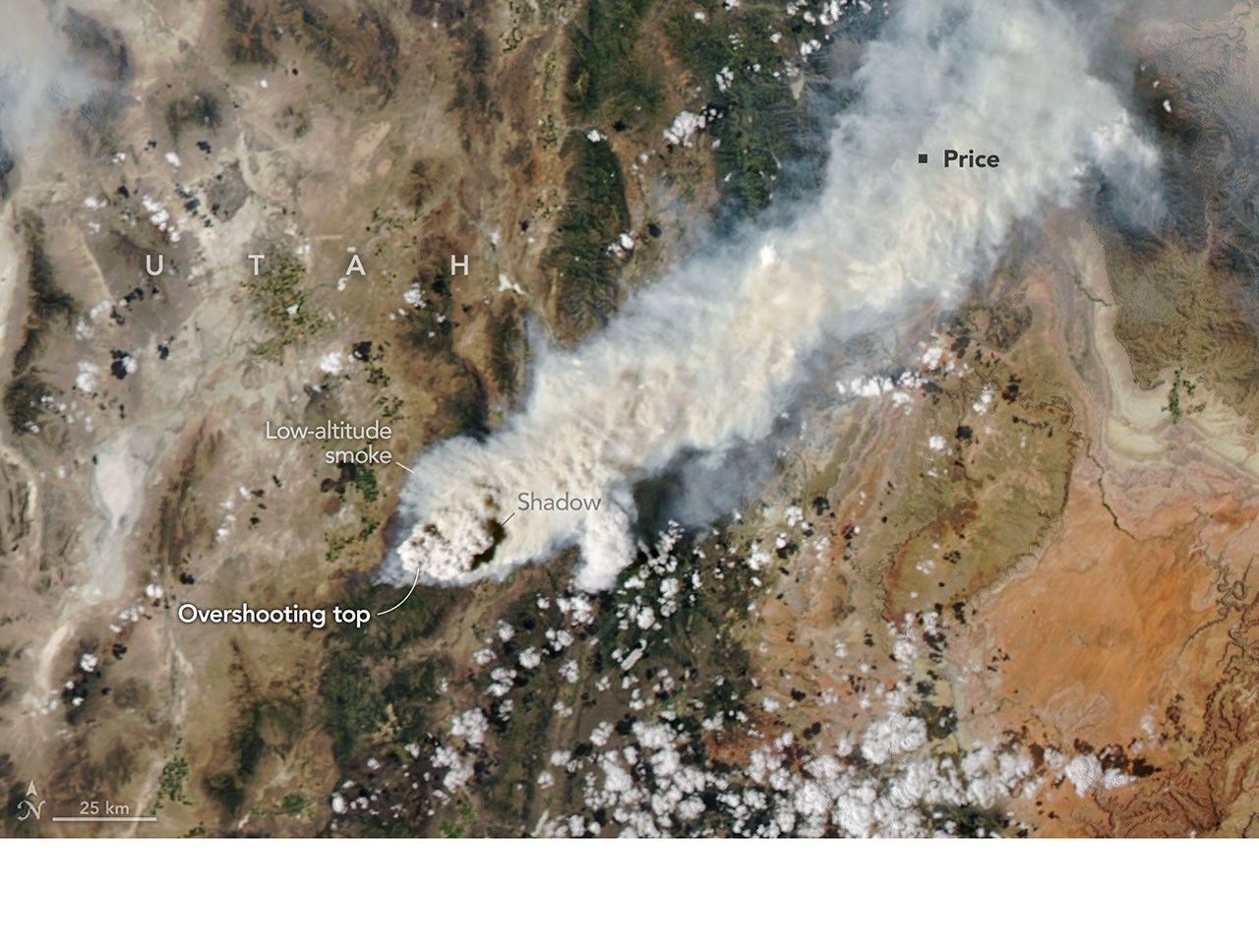
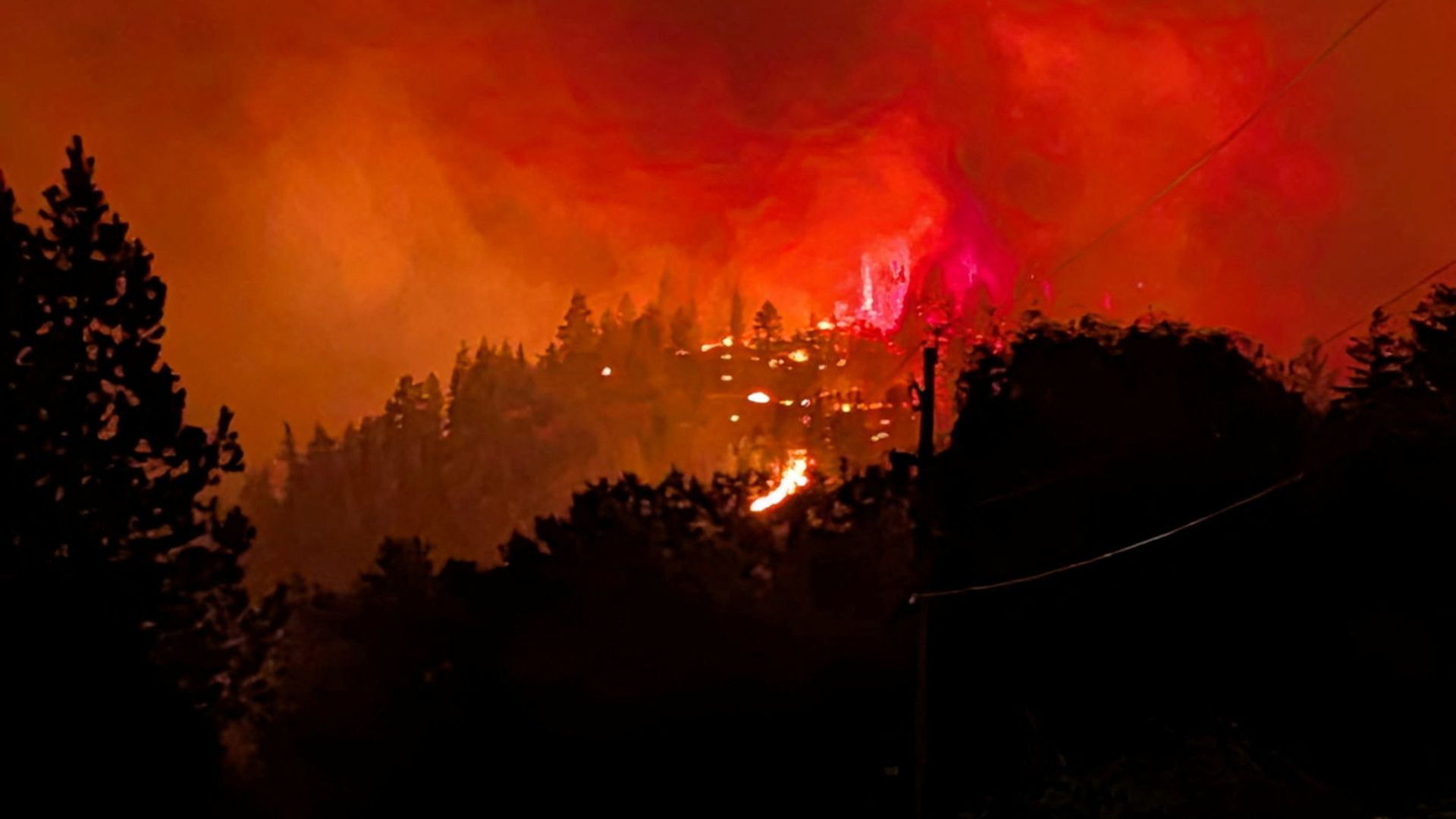
NASA aircraft are now sampling smoke lifted high into the atmosphere by powerful pyrocumulonimbus clouds in Utah. These towering clouds form during intense wildfires, where heat and moisture combine to create massive storm-like structures that can reach altitudes of 10 miles or more. This sampling effort is part of a broader initiative to understand how these clouds influence air quality, weather patterns, and climate change.
The urgency of this research is underscored by the increasing frequency and intensity of wildfires across the western United States. Climate change, coupled with prolonged drought conditions, has led to more extreme fire seasons. Pyrocumulonimbus clouds not only produce their own weather, including lightning and heavy rainfall, but they also inject smoke and ash into the stratosphere. This can have significant implications for air quality and global climate, as particulates can affect atmospheric chemistry and temperature.
Preliminary data from the sampling missions will help scientists assess the impact of these clouds on regional and global scales. In the past few years, the rise of pyrocumulonimbus events has been alarming; they can produce their own weather systems, including thunderstorms, which can exacerbate fire conditions. Researchers are particularly interested in how these clouds interact with the atmosphere and influence long-term weather patterns.
As wildfire seasons become longer and more severe, understanding pyrocumulonimbus clouds will be critical for developing better predictive models for air quality and climate impacts. The data gathered could lead to improved wildfire management strategies and public health guidelines. With wildfires projected to worsen, the stakes for this research are high, making it vital for communities and policymakers to be informed and prepared.
Read Full Story at NASA →