Indian and Chinese troops clash in Arunachal Pradesh border dispute
Indian and Chinese troops faced off at several points along the disputed border in Arunachal Pradesh, the north‑eastern Indian state that China claims as part of Tibet, the director general of the In…
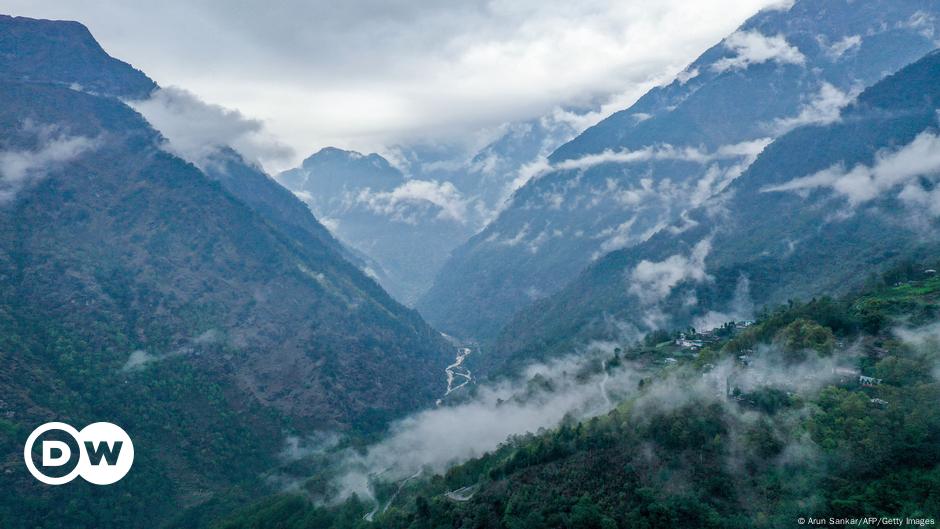
Indian and Chinese troops faced off at several points along the disputed border in Arunachal Pradesh, the north‑eastern Indian state that China claims as part of Tibet, the director general of the Indo‑Tibetan Border Police, Shatrujeet Kapur, told reporters last month. He said the confrontations began in the past few days and were still ongoing, marking the latest flare‑up on the line of actual control that separates the two nuclear powers.
The encounter comes after a brief diplomatic thaw between New Delhi and Beijing, but the frontier remains a flashpoint. The Line of Actual Control runs through remote, mountainous terrain where both sides maintain large troop deployments. Clashes have erupted repeatedly over the decades, most recently in 2020 when a violent clash in the Galwan River valley killed 20 Indian soldiers and four Chinese troops. Since then, both capitals have accused each other of trying to seize territory, and both have invested heavily in modernising their border forces. Kapur warned that China’s People’s Liberation Army and its Border Defense Regiment have advanced far beyond India’s conventional capabilities, making a military response difficult.
Arunachal Pradesh chief minister Pema Khandu acknowledged the incidents but downplayed them as routine, noting that the border is not formally demarcated and that China does not recognise the 1914 McMahon Line. The opposition Congress party blasted the ruling BJP for what it called a “rationalising” of Chinese actions and accused Prime Minister Narendra Modi of silence on the issue. External Affairs Ministry spokesperson Randhir Jaiswal blamed the skirmishes on Chinese forces changing their patrol routes, while Chinese foreign ministry spokesman Guo Jiakun rejected the claim, saying Chinese troops were on “normal patrols” and obeying bilateral agreements. It remains unclear whether the recent face‑offs involved physical violence, but the repeated incidents underscore the fragility of the peace that has held since the 2020 Galwan clash. Both sides are likely to keep diplomatic channels open while reinforcing troops, leaving the Himalayan frontier in a state of uneasy tension.
Read Full Story at DW World →