China tests DF-31A missile over South Pacific
China tested a nuclear-capable DF-31A missile over the South Pacific hours after warning neighbors not to interfere, prompting condemnation from Australia and New Zealand. The launch, likely a respons
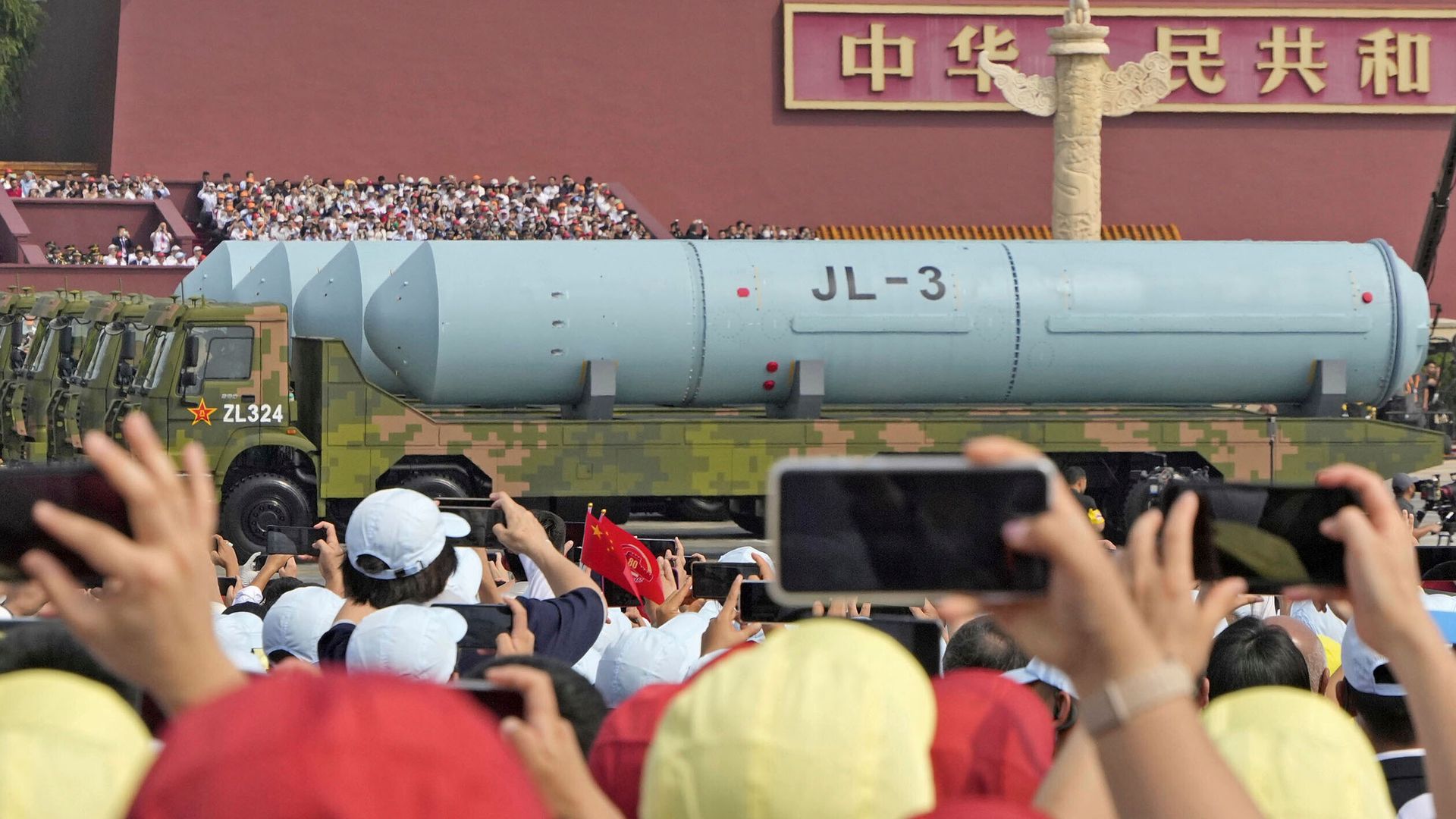
China launched a long-range ballistic missile over the South Pacific on Monday, just hours after Beijing warned neighboring countries not to interfere
Read Full Story at Sky News →Why This Matters
The missile test underscores China’s willingness to assert military dominance in the Pacific amid rising geopolitical tensions, signaling a shift from deterrence to proactive signaling. For regional allies like Australia and New Zealand, the demonstration forces a recalibration of defense strategies, particularly in the absence of multilateral frameworks to constrain Beijing’s nuclear posturing.
Background Context
China’s DF-31A is a road-mobile, solid-fuel missile with a range exceeding 11,000 km, capable of striking targets across the Pacific, including U.S. bases in Guam. The timing—coming just hours after warnings to neighbors—suggests Beijing is leveraging its nuclear arsenal as a tool of coercive diplomacy, a tactic previously seen during the 2016 South China Sea arbitration standoff, but now deployed with greater frequency.
What Happens Next
Expect Australia and New Zealand to accelerate consultations with the U.S. and Japan to bolster missile defense systems, while also exploring independent deterrence measures. The test may also prompt a diplomatic push at the UN to condemn China’s nuclear signaling, though Beijing’s veto power in the Security Council could render such efforts symbolic. Military analysts will closely monitor whether this is part of a larger pattern of "missile diplomacy" ahead of Taiwan-related contingencies.
Bigger Picture
This episode reflects a broader trend of nuclear signaling becoming normalized in Asia-Pacific security, where regional powers increasingly use missile tests as a form of pressure rather than a last-resort deterrent. With the U.S. and China locked in a strategic rivalry, smaller states face mounting pressure to either bandwagon with Washington or hedge their bets—a dynamic that risks further destabilizing the non-proliferation regime.