China's solar expansion causes 12% decline in bird diversity, study finds
China's expansion of solar power, which accounts for a third of the world's capacity, has led to a 12% decline in bird diversity due to habitat alteration. Researchers recommend policy changes to mit…
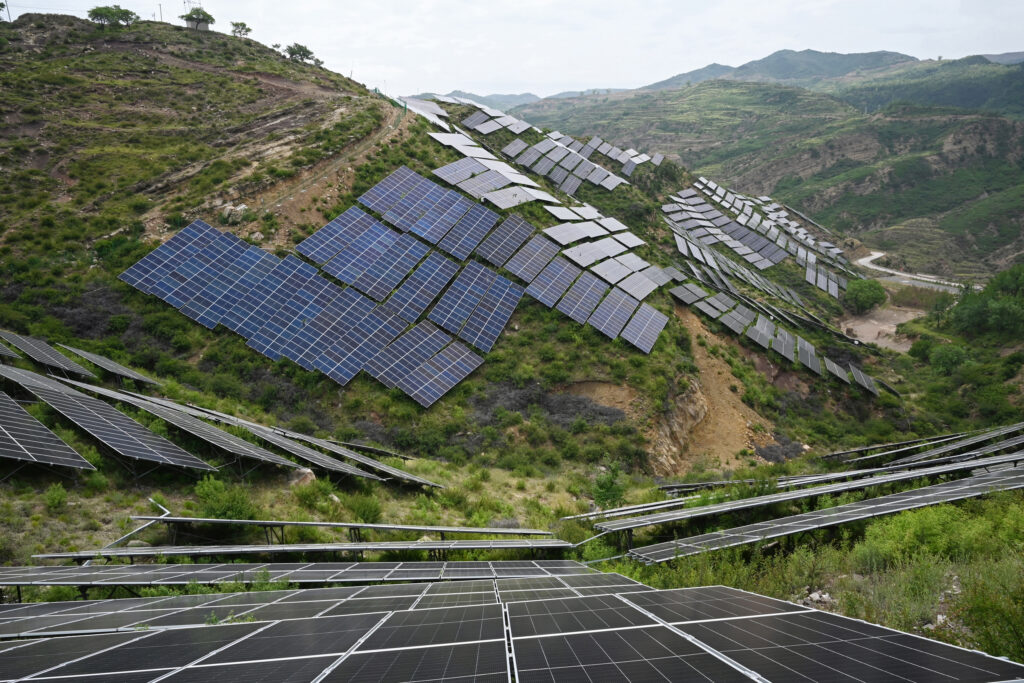
China’s rapid solar power expansion is linked to a sharp drop in bird diversity, according to a new study in Science. The research shows that the country’s push to install solar panels has taken a toll on the variety of bird species across large regions. China now hosts about a third of the world’s solar capacity, a fact that is now being weighed against ecological costs.
Birds are key to healthy ecosystems. They help pollinate crops, control pests, and serve as food for other wildlife. When a habitat is altered, many species can disappear or move away. The study highlights how large solar farms, which cover vast stretches of land, can change local temperatures, light patterns, and food availability, making the environment less suitable for many birds.
The scientists analysed satellite images and bird surveys from 2020 to 2022. They found a 12 per cent decline in species richness in areas with high solar density. The loss was most pronounced for ground‑nesting and migratory species that rely on open fields. In contrast, wind farms in the same regions showed only a small impact on bird numbers. Researchers argue that the flat, reflective surfaces of panels create heat islands and glare, while the infrastructure fragments habitats. They also note that many panels are installed near important migratory routes.
Policy makers can act on these findings. The study recommends placing solar farms away from major bird corridors, using bird‑friendly panel coatings, and adding green spaces or corridors to help wildlife move. China’s energy ministry has begun drafting guidelines that could incorporate such measures. If adopted, the new rules would let the country grow its clean‑energy sector while protecting biodiversity, a balance that many other nations are now seeking.
Read Full Story at Inside Climate News →