Iván Cepeda, Abelardo de la Espriella face Colombia runoff
Colombia’s June 21 presidential runoff will decide between leftist Iván Cepeda, who supports peace talks with armed groups, and right-wing Abelardo de la Espriella, who promotes a military crackdown on crime, reflecting Colombia’s deep divisions over ending decades of conflict. The election will reveal whether voters favor Petro’s negotiation strategy or a tougher, Bukele-inspired approach to violence and drug cartels.
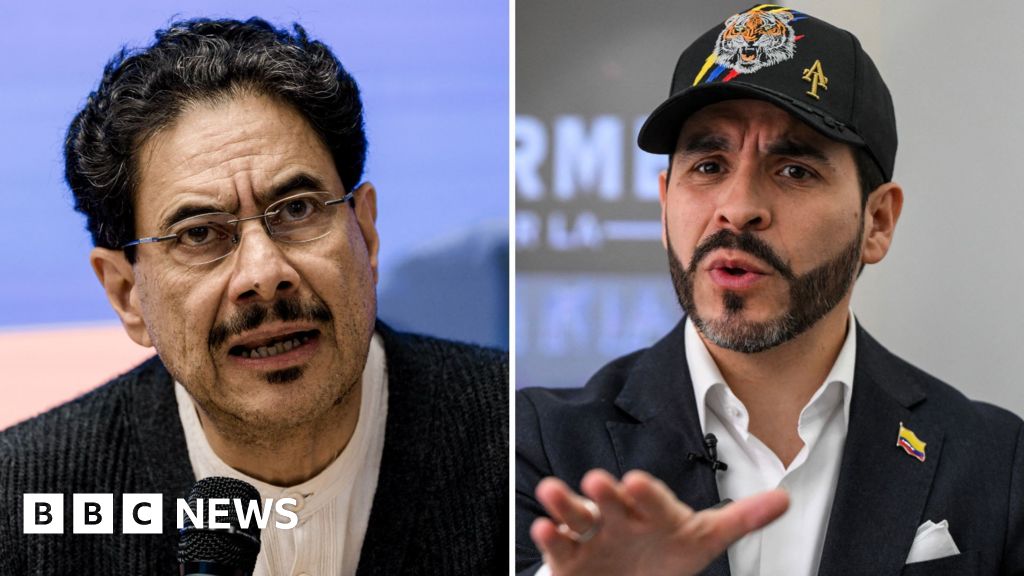
Colombia’s presidential runoff on June 21 will pit leftist senator Iván Cepeda against right-wing rival Abelardo de la Espriella, after neither secured a majority in Sunday’s first-round vote. The tight race highlights deep divisions over how to end decades of armed conflict that has flared again in recent years. Cepeda, who finished second with 41 percent of the vote, is a key architect of President Gustavo Petro’s “total peace” strategy, which favors negotiations with armed groups over military force. De la Espriella, who led with 43.7 percent, has positioned himself as a Trump-style hardliner, promising a military crackdown on crime and closer ties with the U.S.
The campaign has been overshadowed by violence, including drone attacks, kidnappings, and even the assassination of a presidential candidate last year. Both candidates offer starkly different solutions to Colombia’s enduring conflict. Cepeda helped negotiate the 2016 peace deal with the FARC rebels, which disarmed thousands, and now advocates for dialogue with remaining armed groups. Critics argue that Petro’s approach has failed, pointing to record cocaine production, rising violence, and mass displacement under his leadership. Supporters credit his economic policies, like a minimum wage hike and expanded welfare, but admit poverty remains widespread, with one in three Colombians still struggling to meet basic needs.
De la Espriella, known as “El Tigre,” has modeled his campaign on El Salvador’s authoritarian president Nayib Bukele, vowing to build jungle mega-prisons and launch military offensives against cartels with U.S. backing. He also proposes shrinking the state and has faced scrutiny for past clients, including Alex Saab, a Venezuelan money-laundering suspect linked to Nicolás Maduro. His tough-on-crime stance resonates with voters frustrated by escalating violence, but his proposals risk deepening social divisions and escalating conflict. The runoff will test whether Colombians prefer Petro’s negotiated peace or a return to the hardline tactics that defined past governments.
This election matters because it will shape Colombia’s future direction at a time of rising violence and economic strain. A Cepeda victory could mean a continuation of Petro’s policies, with more dialogue and social spending. A De la Espriella win would signal a dramatic shift toward militarization and U.S. collaboration. Either path will test Colombia’s fragile stability and its ability to break free from cycles of conflict and poverty.