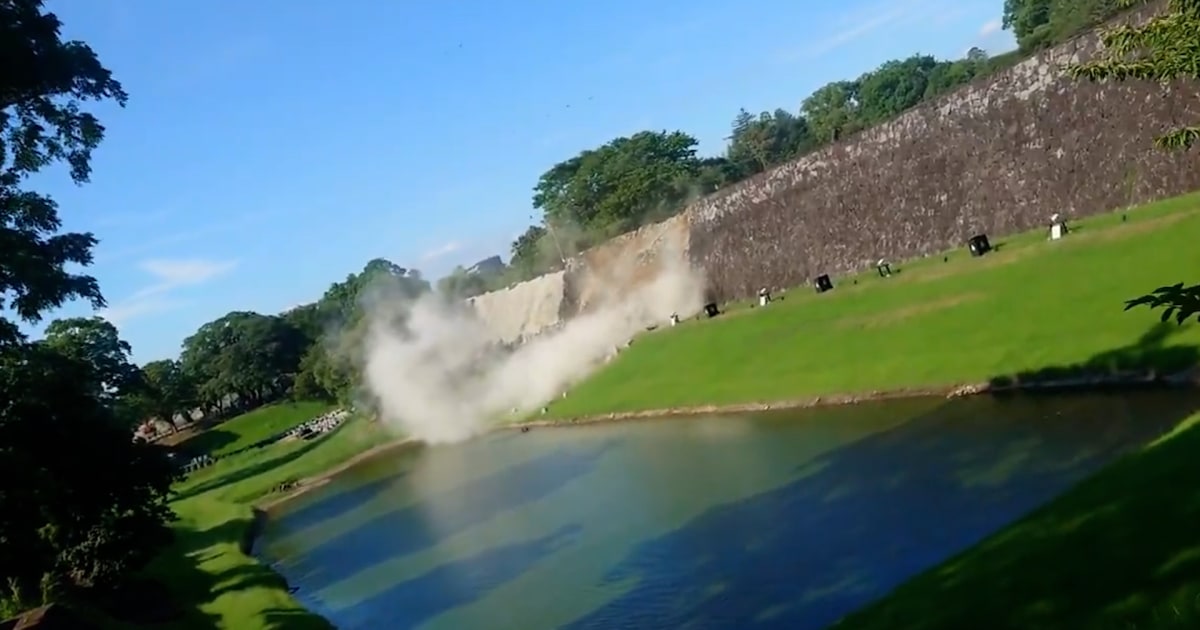
Colombia quake: 7.4 magnitude off Pacific coast
A 7.4 magnitude earthquake struck off Colombia’s Pacific coast, the country’s strongest in a decade, with no immediate casualties but warnings of landslides and aftershocks. Colombia’s location on th…
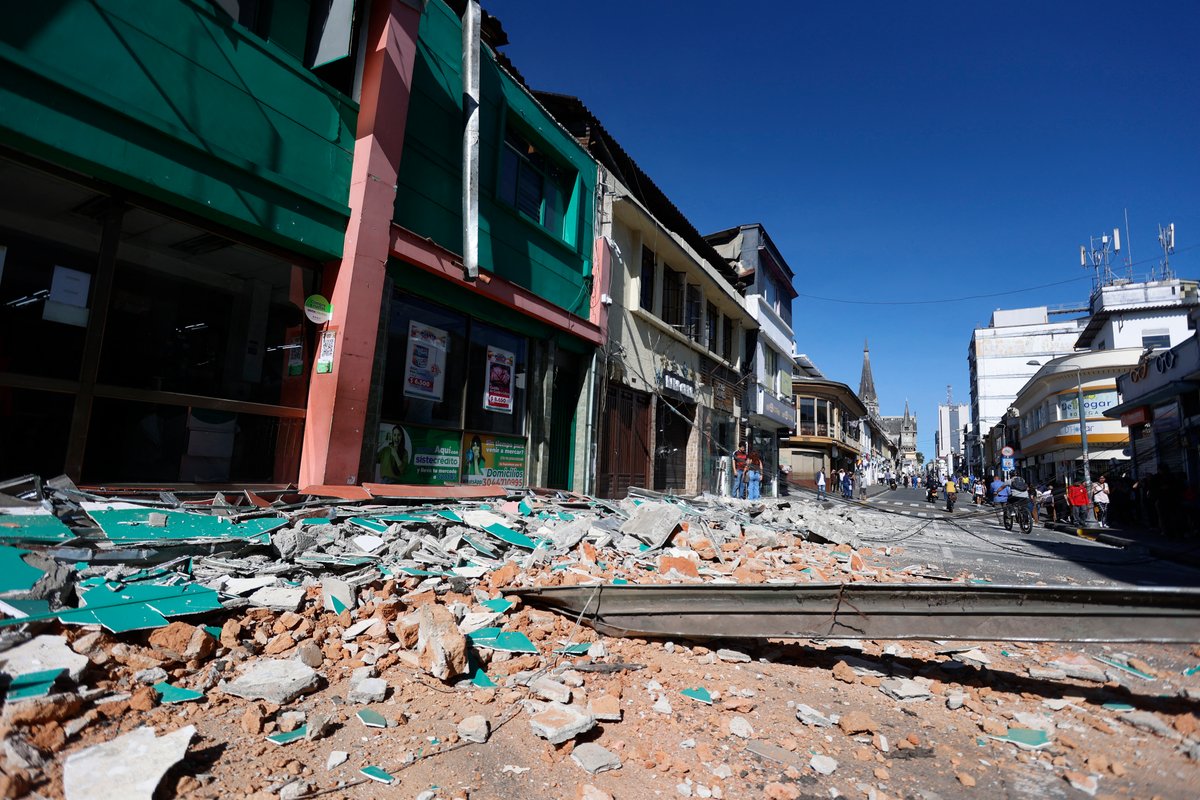
A 7.4 magnitude earthquake struck off Colombia’s Pacific coast on Sunday morning, the strongest tremor to hit the country in a decade. The quake’s epicenter was near the town of El Charco in Nariño department, about 12 miles (20 km) deep. Shaking was felt as far as Bogotá, 350 miles (560 km) away, and in parts of Ecuador and Peru. No immediate casualties were reported, but authorities warned of possible landslides in mountainous regions.
Colombia sits along the Pacific Ring of Fire, where tectonic plates collide frequently. This quake follows a pattern seen in June, when two strong tremors—one 6.6 and another 6.8—hit offshore Venezuela, also along the South American plate boundary. Geologists say the region’s subduction zone, where the Nazca Plate dives beneath South America, is highly active. The last major quake over magnitude 7 in Colombia was in 2016, a 7.0 near the Pacific port of Tumaco, which killed over 300 people.
Emergency crews are conducting aerial and ground surveys to assess damage, especially in remote coastal and jungle areas. Power outages were reported in parts of Nariño and Cauca departments, and some roads were blocked by landslides. Colombia’s geological service (SGC) recorded more than 30 aftershocks within hours, with magnitudes up to 5.1. The Red Cross has activated emergency protocols in seven coastal municipalities.
Experts warn that aftershocks could continue for days, increasing the risk of structural damage to buildings already weakened by previous tremors. The government has urged residents in low-lying coastal zones to move to higher ground due to a potential tsunami threat, though no waves were detected initially. This quake underscores the need for stronger building codes and early warning systems across the region, as climate change and seismic activity raise the stakes for vulnerable communities.
Read Full Story at Scientific American →