Common advice about kids' snacking is outdated. Here's what parents should know
Back in the 1950s when Dr. Kelly Brownell was a young boy, snacking didn't really exist. "Children ate three meals and maybe one snack," he says. And typically that snack occurred in one place: at h…

Back in the 1950s when Dr. Kelly Brownell was a young boy, snacking didn't really exist.
"Children ate three meals and maybe one snack," he says. And typically that snack occurred in one place: at home. "Nobody ate in their automobile. Maybe if you took a long trip, your parents would make sandwiches to bring along, but that would be about it," says Brownell, who's an emeritus professor of psychology at Duke University
Today kids' eating patterns look strikingly different. Children eat, on average, about three snacks a day today, eight nationally representative surveys found . Children eat nearly everywhere they go, and a large portion of their snacks are ultraprocessed foods.
Many parts of kids' lives have shifted since the mid 20th century. But, Brownell says, there's a major driver that's systematically reshaping families' eating habits.
Earlier this year, he and his colleagues at Harvard University and the University of Michigan published extensive evidence in The Milbank Quarterly that the ultraprocessed food industry intentionally shifted the social norms around families' eating habits. "So norm after norm after norm has been changed, and it doesn't mean that things have changed in a positive way," he says.
Many pediatricians, including the American Academy of Pediatricians, recommend toddlers to tweens eat about five times a day: three meals and about two snacks .
Want the latest stories on the science of healthy living? Subscribe to NPR's Health newsletter .
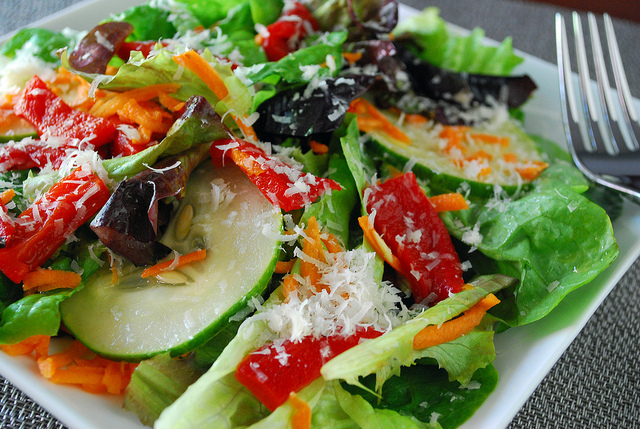
But this advice doesn't take into account the rise of ultraprocessed foods, says pediatrician Tamara Hannon at the Indiana University School of Medicine, who chairs the nutrition committee at the AAP. "The problem is what we know about child nutrition comes from studies with feeding kids no processed foods but fruits, vegetables, and whole foods. So foods that our grandmothers made," she says. "So the 'snacks' in these studies are really not what we, in our culture, consider snacks," Hannon adds.
Read Full Story at NPR Health →