Context compression finally works in production: new research cuts LLM input 16x without the accuracy hit
Context windows are becoming a computational bottleneck. The longer an agent runs, the more tokens accumulate from retrieved documents, reasoning traces and conversation history, and the more memory and compute that growing context demands. Most existing solutions either degrade
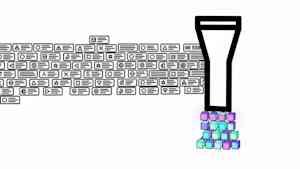
Context windows are becoming a computational bottleneck. The longer an agent runs, the more tokens accumulate from retrieved documents, reasoning traces and conversation history, and the more memory and compute that growing context demands. Most existing solutions either degrade model accuracy, require the full context to load before compression begins, or produce memory savings that don't translate into real speedups in standard serving infrastructure. A research team from NYU, Columbia, Princeton, University of Maryland, Harvard and Lawrence Livermore National Laboratory published a paper this week that proposes a novel fix. The researchers introduce the concept of Latent Context Language Models, or LCLMs, a family of encoder-decoder compression models that compress input context before it reaches the decoder. The models are open-sourced on HuggingFace. Unlike KV cache compression methods — the dominant approach in the field, which still materialize the full KV cache before evicting
This report comes from VentureBeat. The story centres on Context compression finally works in production: new research cuts LLM input 16x without the accuracy hit. Full coverage and background context is available at the original source. Readers seeking more detail on this developing topic are encouraged to follow updates from VentureBeat and related outlets covering this beat.