Corpus Christi officials oppose referendum to raise industrial water charges
Corpus Christi city officials are attempting to block a referendum that would increase industrial water charges, citing potential legal issues and concerns over business investment. This referendum, …
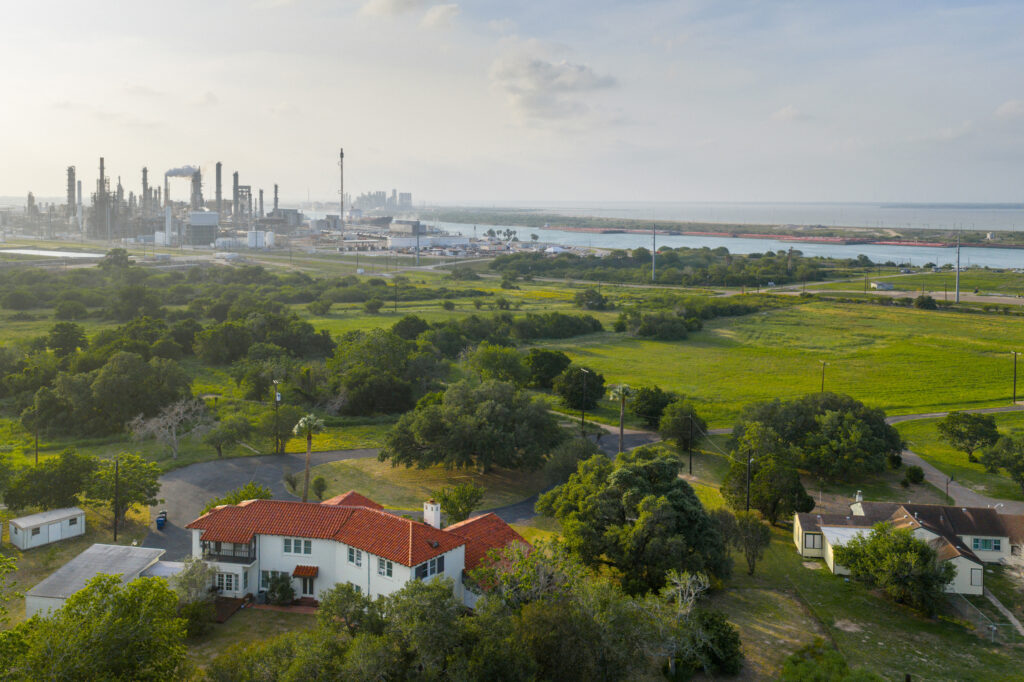
Corpus Christi city officials are seeking to block a referendum aimed at raising industrial water charges, a measure driven by a community petition that gathered nearly 13,000 signatures. This initiative, known as the Fair Water Amendment, was proposed amid severe drought conditions that put the region's water supply at risk. The city council is scheduled to discuss the potential legal challenges against placing the amendment on the ballot in November.
The push for the Fair Water Amendment comes as Texas faces increasing water scarcity due to prolonged droughts and climate change. Corpus Christi's reliance on industrial water users, such as oil and gas companies, has raised concerns among residents about equitable water distribution, especially during shortages. Activists argue that large industries should pay higher rates for water usage during critical periods to ensure that residential users have enough supply. This reflects a broader trend across the state, where communities are grappling with the balance between industrial growth and sustainable resource management.
Supporters of the Fair Water Amendment believe that the proposed increase in industrial water charges will provide essential funds for infrastructure improvements and conservation efforts. They argue that it is a necessary step to protect the community’s water resources and ensure that residents are not left vulnerable during drought conditions. However, city officials contend that the amendment could lead to legal complications and may discourage business investments in the area.
As discussions unfold, the outcome of this legal battle could significantly impact water management strategies in Corpus Christi. If the referendum goes forward and passes, it may set a precedent for other Texas cities facing similar water challenges. Conversely, if the city successfully blocks the amendment, it could reinforce existing practices that prioritize industrial water use over community needs during emergencies. The situation underscores the ongoing tension between economic interests and environmental sustainability in a state increasingly affected by climate-related issues.
Read Full Story at Inside Climate News →