Researchers aim for brain-inspired computers to match human brain's 20-watt efficiency
Researchers are investigating brain-inspired computers that could operate on about 20 watts, similar to a human brain, to enhance energy efficiency in computing. This advancement could revolutionize …
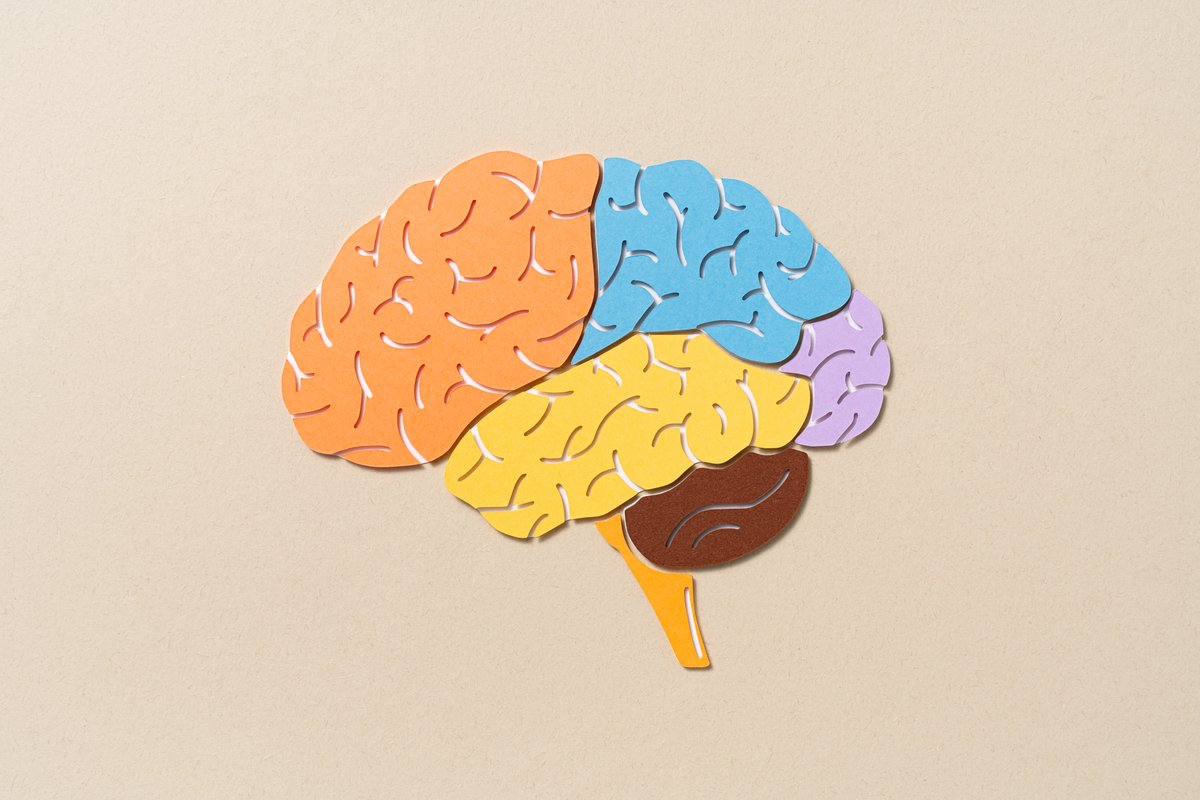
Researchers are exploring whether brain-inspired computers could operate using as little power as a human brain, which consumes about 20 watts, or roughly the same energy as a standard lightbulb. This concept has gained traction as scientists aim to develop more efficient computing systems that mimic the brain's ability to process information while minimizing energy consumption.
The growing demand for powerful computing capabilities, driven by advancements in artificial intelligence and machine learning, has prompted researchers to seek alternatives to traditional silicon-based processors. Current computers often require significant amounts of energy, contributing to rising operational costs and environmental concerns. The quest for brain-like computing is part of a broader effort to create systems that can perform complex tasks without the excessive energy footprint associated with conventional technology.
Recent studies have demonstrated that neural networks, which are designed to simulate the brain's interconnected neurons, can achieve impressive results in tasks such as image recognition and natural language processing. These brain-inspired systems could potentially operate at much lower power levels than current supercomputers. For instance, researchers are investigating various materials and architectures that could lead to the development of neuromorphic chips, which would work more like biological neurons and could significantly reduce power consumption.
Looking ahead, the implications of successful brain-inspired computing could be profound. If researchers can create machines that match the efficiency of the human brain, it could revolutionize fields such as robotics, healthcare, and personal computing. With the ability to perform complex tasks using minimal energy, these systems could make technology more sustainable and accessible. As the research progresses, the race will intensify not only to develop these efficient machines but also to integrate them into practical applications that could transform everyday life.
Read Full Story at Scientific American →