Coups and crises shake African democracy
Burkina Faso's junta leader Ibrahim Traore, who seized power in a 2022 coup, recently told Burkinabe people to "forget" about democracy . "If an African wants to tell you about democracy, you should run away," he said on the state broadcaster RTB in April. "Democracy kills." Tr
Burkina Faso's junta leader Ibrahim Traore, who seized power in a 2022 coup, recently told Burkinabe people to "forget" about democracy .
"If an African wants to tell you about democracy, you should run away," he said on the state broadcaster RTB in April. "Democracy kills."
Traore's statement shocked many, yet it also resonated with parts of the population. In Burkina Faso's capital, Ouagadougou, some argued there is no time for democracy, as the fight against jihadism and for economic rebuilding takes priority.
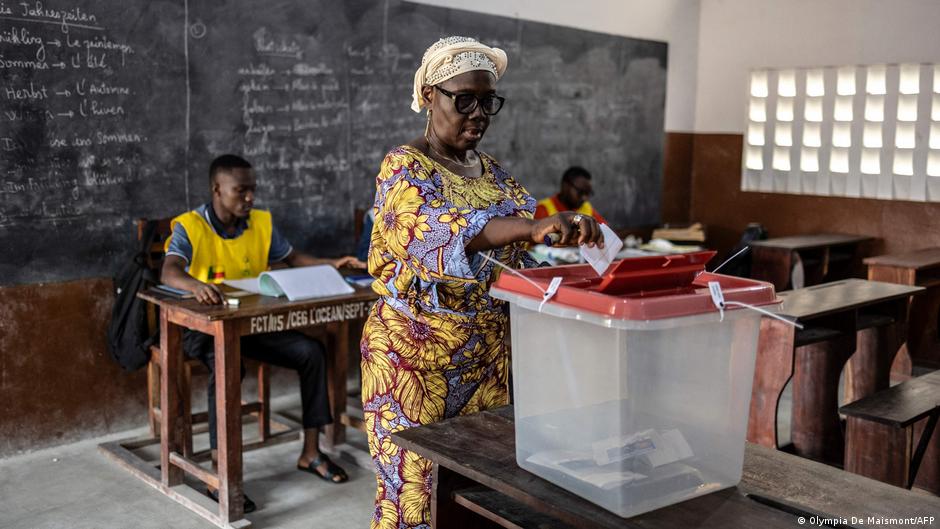
While 2026 is considered a politically charged election year , many elections are marked by fraud, repression, and a growing disconnect between young people and political elites.
The question arises: are African democracies more than electoral mechanisms without real accountability?
In several parts of Africa, a wave of military coups has taken hold, particularly in West Africa. In Mali, Burkina Faso, Niger, and Guinea, the military seized power between 2020 and 2023.
The three francophone West African countries Niger, Mali and Burkina Faso — led by military juntas — formally withdrew from the regional bloc ECOWAS in January 2025 and established their own partnership , the Alliance of Sahel States (AES).
The trend extends beyond West Africa. Further south in Gabon, the military took power in 2023, while in the Central African nation of Chad, a transitional military council governed until 2025.