Crews Move Artemis IV Liquid Hydrogen Tank
Crews at NASA’s Michoud Assembly Facility in New Orleans transport the 130-foot-tall Artemis IV liquid hydrogen tank out of a production cell inside the main factory building into a detached test buil
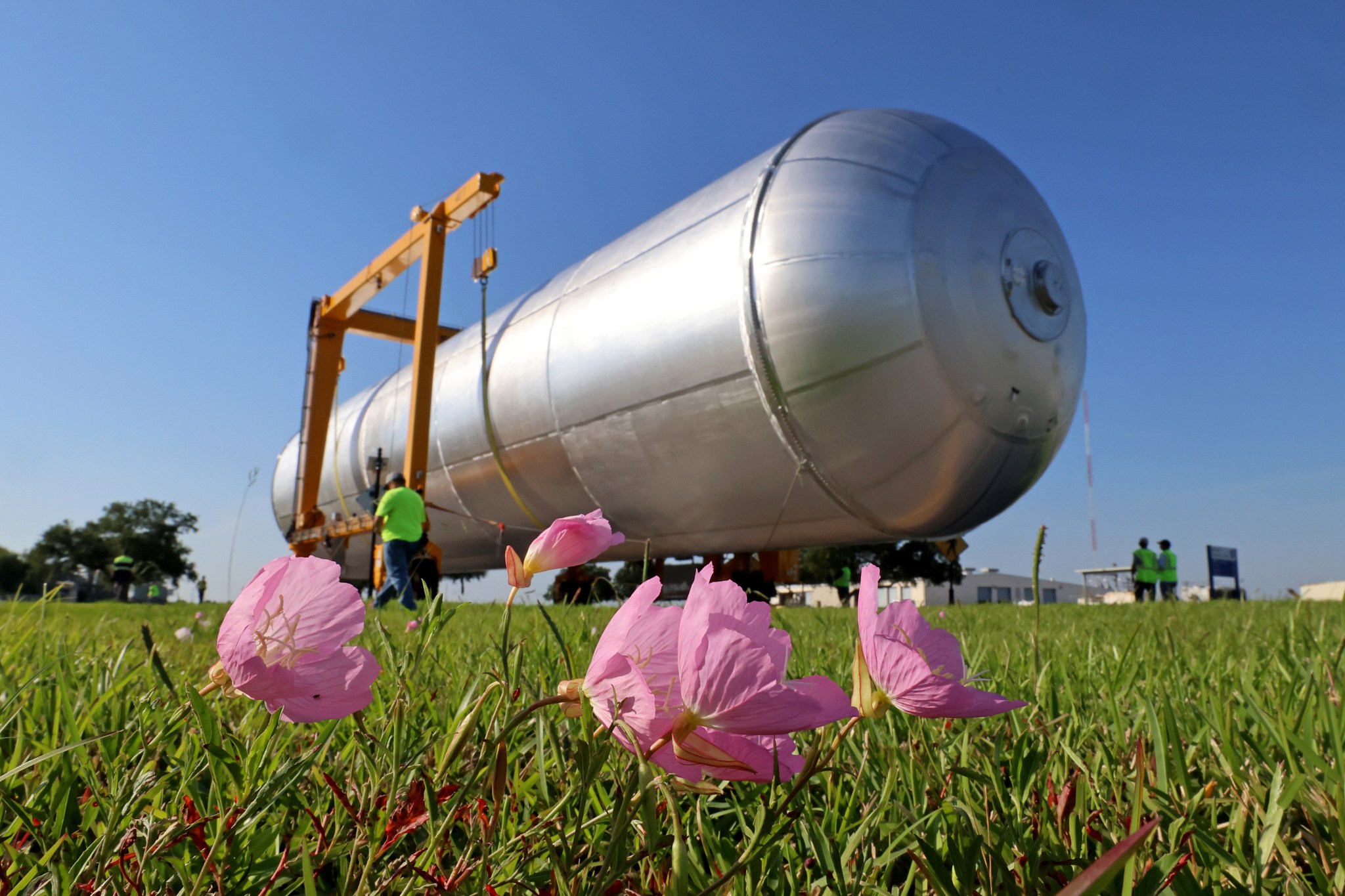
Crews at NASA’s Michoud Assembly Facility in New Orleans transport the 130-foot-tall Artemis IV liquid hydrogen tank out of a production cell inside t
Read Full Story at NASA →Why This Matters
The transportation of the Artemis IV liquid hydrogen tank marks a significant milestone in NASA's Artemis program, a key initiative aimed at returning humans to the Moon and eventually enabling missions to Mars. This progress not only showcases advancements in aerospace engineering but also emphasizes the importance of robust infrastructure in supporting ambitious space exploration goals.
Background Context
The Artemis program, named after the twin sister of Apollo in Greek mythology, seeks to establish a sustainable human presence on the Moon by the end of the decade. NASA's Michoud Assembly Facility has played a crucial role in the construction of various components for the Space Launch System (SLS) and the Orion spacecraft, integral to this mission's success.
What Happens Next
Following the transport of the liquid hydrogen tank, testing will commence to ensure that the tank meets safety and performance standards necessary for its role in future launches. Observers will be keen to monitor any potential delays or challenges that may arise in this phase, which could impact the overall timeline of the Artemis program.
Bigger Picture
This event is part of a larger trend towards increased investment and collaboration in space exploration, not only by national agencies like NASA but also by private companies and international partners. As nations aim to establish their presence beyond Earth, developments in infrastructure and technology will become critical in shaping the future of space travel and exploration.