Cottonwood Fire grows to 100,000 acres in Utah
Utah’s Cottonwood Fire, the largest active wildfire in the U.S., expanded to over 100,000 acres amid extreme dryness and winds up to 45 mph, forcing firefighters to retreat due to uncontrollable condi
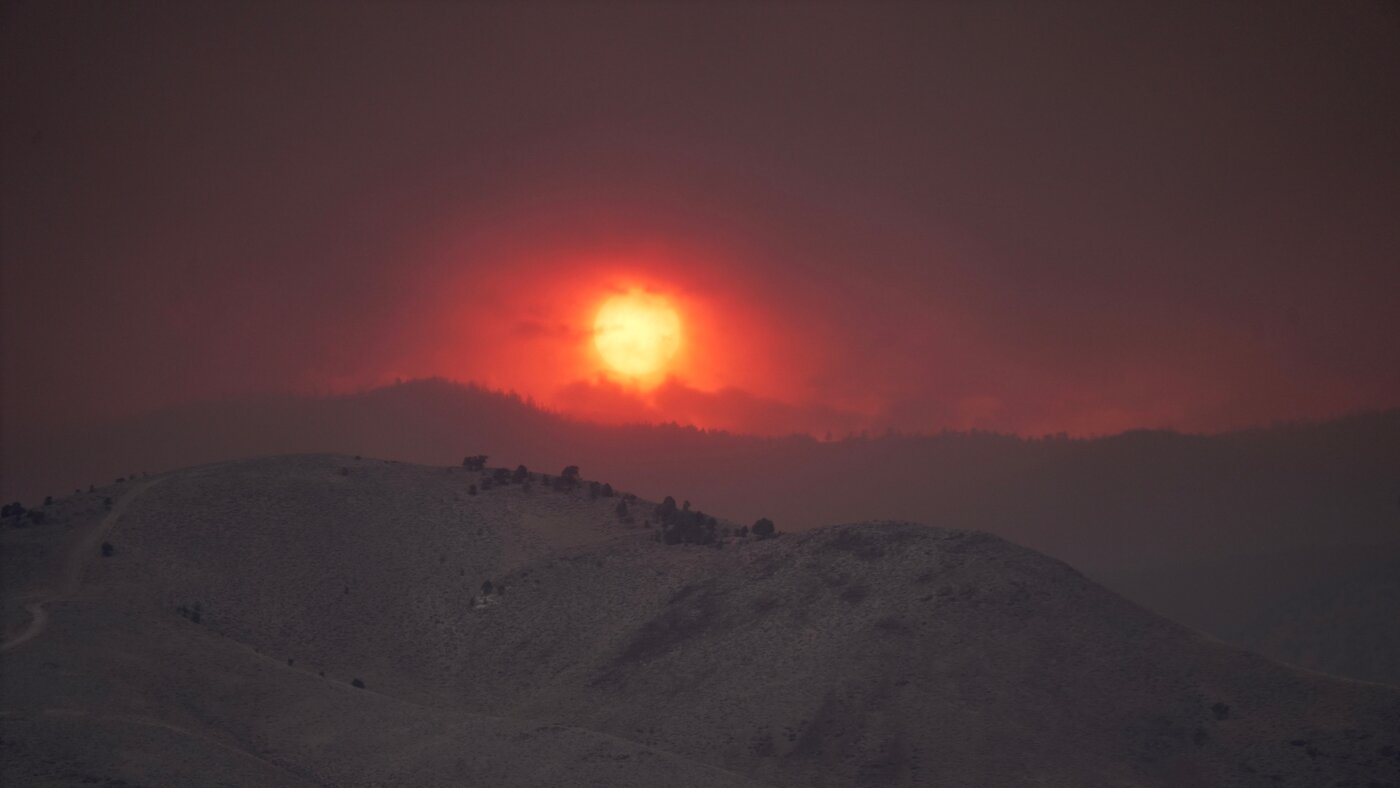
Firefighters battling Utah’s Cottonwood Fire got a brutal surprise Friday when the National Weather Service issued its first-ever “particularly danger
Read Full Story at NPR News →Why This Matters
The Cottonwood Fire’s explosive growth underscores a troubling pattern in Western wildfire seasons, where climate-driven extremes are outpacing traditional firefighting capabilities. Beyond the immediate devastation, this blaze highlights the economic and ecological fragility of regions dependent on seasonal tourism and agriculture, revealing how wildfire risks are reshaping land management priorities across the Intermountain West.
Background Context
Utah’s wildfire season has grown increasingly volatile over the past decade, with the state’s fire season now extending year-round due to warmer, drier winters and earlier snowmelt. The Cottonwood Fire’s location near the Wasatch Range—a critical watershed and recreational hub—adds urgency, as its containment could hinge on shifting wind patterns that have historically defied prediction in this topographically complex terrain.
What Happens Next
Firefighters will likely face a prolonged battle as shifting winds and low humidity prolong the fire’s spread, with containment efforts contingent on favorable weather windows that remain unpredictable. Meanwhile, evacuation orders may expand if the fire’s perimeter advances toward populated foothill communities, testing emergency response coordination at both state and federal levels. The duration of this standoff could also strain federal resources already stretched thin by simultaneous crises.
Bigger Picture
This incident mirrors a broader West-wide trend where megafires are becoming the new norm, fueled by a century of fire suppression policies and accelerating climate change. As such fires grow larger and more resistant to control, they’re forcing a reckoning with the limits of traditional firefighting tactics, pushing agencies to embrace controversial strategies like controlled burns and managed retreat in high-risk zones.