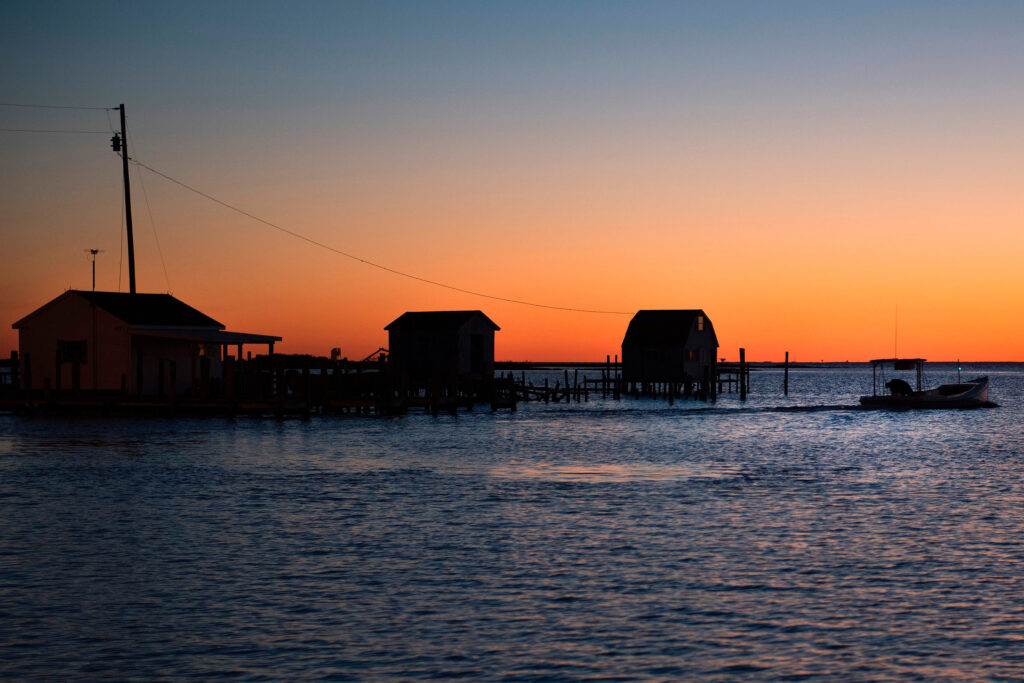
Cuba suffers third nationwide blackout in six months
Cuba experienced its third nationwide power blackout in six months, affecting nearly 10 million people, due to a worsening fuel crisis exacerbated by U.S. sanctions. The outage highlights Cuba's relia

Cuba suffered its third nationwide power blackout in six months on Monday, plunging nearly 10 million people into darkness as the island’s crumbling e
Read Full Story at Al Jazeera →Why This Matters
The recurrence of nationwide blackouts in Cuba underscores the fragility of its energy infrastructure and the cascading effects of prolonged economic strain. Beyond the immediate inconvenience, these outages threaten critical services like healthcare, food preservation, and telecommunications, amplifying public frustration and testing social cohesion in a country already grappling with mass emigration and economic hardship.
Background Context
Cuba’s energy crisis is deeply rooted in decades of underinvestment, reliance on aging power plants, and a chronic shortage of fuel imports. The U.S. embargo, expanded in recent years, has further constrained Cuba’s ability to secure oil and spare parts, leaving the island increasingly dependent on costly and unreliable alternatives like Venezuelan oil or domestic biofuel efforts.
What Happens Next
The government’s response—whether through emergency repairs, rationing, or appeals for international aid—will be closely watched as a test of its crisis management. Meanwhile, the frequency of outages could accelerate migration flows or spark localized unrest, particularly if power disruptions intersect with shortages of food, medicine, or clean water.
Bigger Picture
Cuba’s struggles reflect a broader trend in Latin America, where energy insecurity is exacerbating political instability and economic decline. As global fuel markets tighten and geopolitical alliances shift, nations like Cuba face a stark choice: accelerate reforms to attract investment or risk deeper isolation and vulnerability to external shocks.