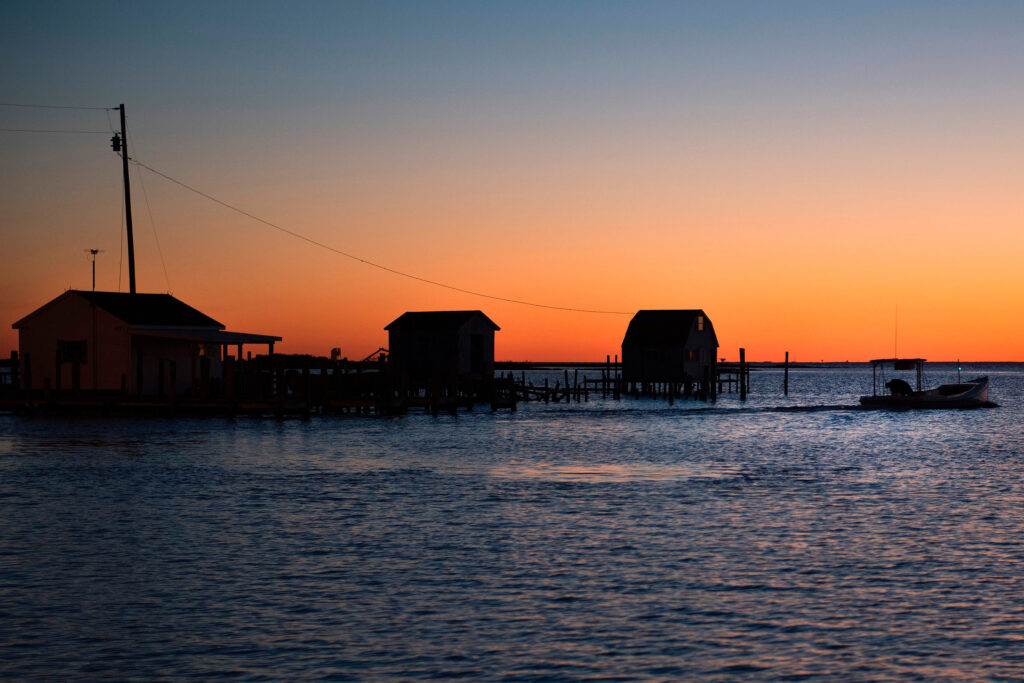
Cuba grid collapse blacks out millions
Cuba suffered a nationwide blackout on Tuesday due to a collapsed electricity grid, leaving millions without power. This matters because the island's fragile infrastructure, worsened by underinvestmen
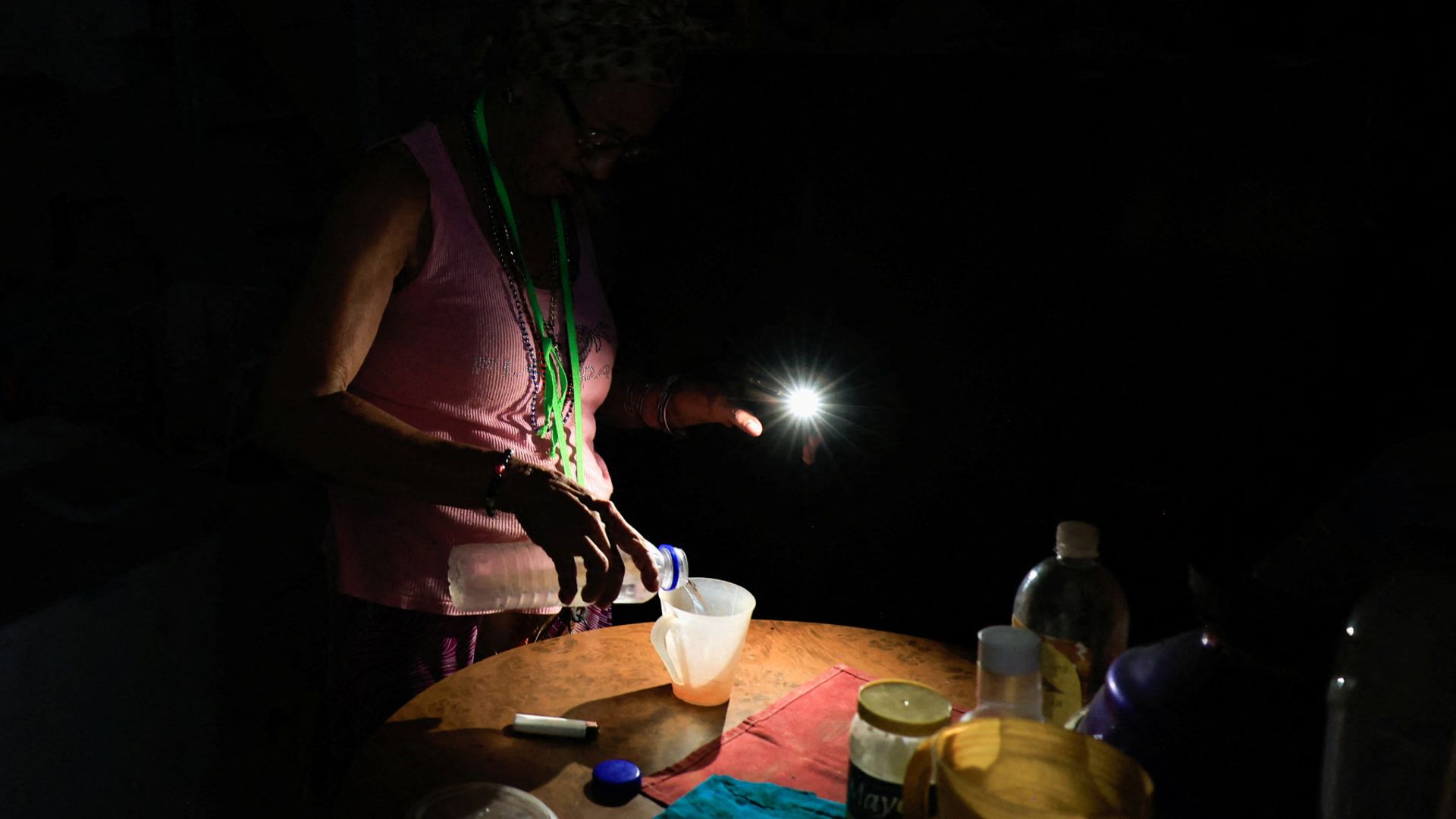
Cuba lost power nationwide on Tuesday after its aging electricity grid collapsed, leaving millions in the dark with no clear timeline for when service
Read Full Story at Sky News →Why This Matters
The blackout exposes the fragility of Cuba’s energy infrastructure at a time when the island faces mounting pressure from economic stagnation, fuel shortages, and a growing reliance on imported electricity. Beyond the immediate inconvenience, such failures underscore the systemic vulnerabilities of a centralized power grid that has long struggled with underinvestment, inefficiency, and the lingering effects of U.S. sanctions. The disruption also highlights Cuba’s precarious balance between maintaining state control over utilities and the need for modernization—a tension that could reshape public trust in the government’s ability to deliver basic services.
Background Context
Cuba’s electricity grid has been a chronic weak point since the collapse of the Soviet Union in the 1990s, which cut off critical fuel subsidies that once sustained the island’s energy sector. Decades of deferred maintenance, coupled with an over-reliance on aged Soviet-era infrastructure, have left the grid prone to cascading failures. Compounding these challenges are U.S. sanctions, which restrict Cuba’s access to foreign investment and critical spare parts, further stymieing repair efforts and delaying upgrades. Even as the government has attempted to diversify energy sources with wind and solar projects, these efforts remain patchy and insufficient to meet demand.
What Happens Next
In the short term, authorities may scramble to restore power in stages, prioritizing essential services like hospitals and water treatment plants, but full recovery could take days or weeks given the grid’s deteriorated state. The blackout could intensify public frustration, particularly among a population already grappling with severe shortages of food, medicine, and fuel, potentially fueling protests or further straining the government’s legitimacy. Observers will be watching closely whether this incident accelerates emergency reforms—or if it becomes another example of systemic decay that goes unaddressed until the next crisis strikes.
Bigger Picture
Cuba’s blackout reflects a broader pattern across the Global South, where aging infrastructure, climate vulnerabilities, and geopolitical constraints collide to create unpredictable energy crises. As nations with similar economic challenges increasingly turn to renewable energy or decentralized power solutions, Cuba’s struggles serve as a cautionary tale about the costs of prolonged neglect. The incident also fits into a regional trend of energy instability, from Venezuela’s chronic blackouts to Haiti’s grid collapses, raising questions about whether