Cuba suffers second nationwide blackout in five days
Cuba on Friday saw its second nationwide blackout in five days. The island nation's electricity grid has crumbled amid a six-month US fuel blockade and already dilapidated energy infrastructure. Thi
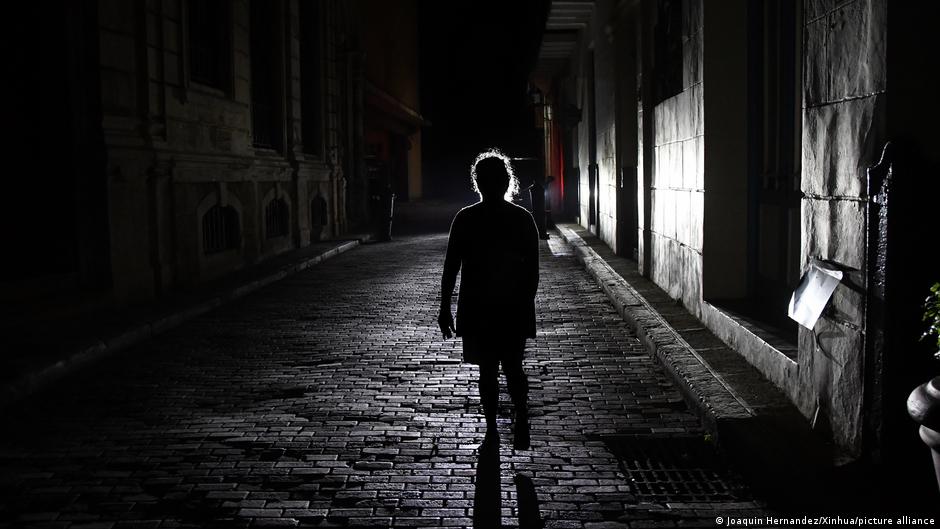
Cuba on Friday saw its second nationwide blackout in five days. The island nation's electricity grid has crumbled amid a six-month US fuel blockade a
Read Full Story at DW World →Why This Matters
The recurrence of nationwide blackouts in Cuba underscores the accelerating collapse of its energy infrastructure, a crisis that is now destabilizing daily life and economic activity across the island. These outages are not isolated incidents but symptomatic of deeper systemic failures that threaten to erode public confidence in the government's ability to govern. For a nation already grappling with hyperinflation and food shortages, the loss of electricity amplifies existing grievances and could precipitate broader unrest.
Background Context
Cuba's energy grid has been in a state of deterioration for decades, a legacy of Soviet-era infrastructure and chronic underinvestment compounded by U.S. sanctions, which have slashed access to fuel imports since 2019. The recent six-month blockade has exacerbated the crisis, leaving power plants starved of diesel and forcing emergency measures like rolling blackouts since 2022. Meanwhile, Cuba's reliance on aging thermal plants—many of which were built in the 1980s—has left the system vulnerable to cascading failures.
What Happens Next
Unless Cuba secures a sudden influx of fuel or emergency repairs, the blackouts are likely to intensify, disrupting critical services like water pumping and medical care. The government may attempt to ration power further or impose stricter austerity measures, but such steps risk deepening public frustration and could trigger protests. International observers will watch closely for signs of either a negotiated fuel deal with Venezuela or Iran or a crackdown on dissent as the crisis escalates.
Bigger Picture
Cuba's blackout crisis reflects a broader pattern of energy system failures in autocratic regimes facing sanctions, where decaying infrastructure collides with external pressure to create humanitarian emergencies. It also highlights the global inequities in energy access, as countries like Cuba—already burdened by geopolitical isolation—suffer disproportionately from supply chain disruptions and climate-related grid vulnerabilities.