🔬 Science
Live
Curiosity Blog, Sols 4920-4926: Surveying the Bands
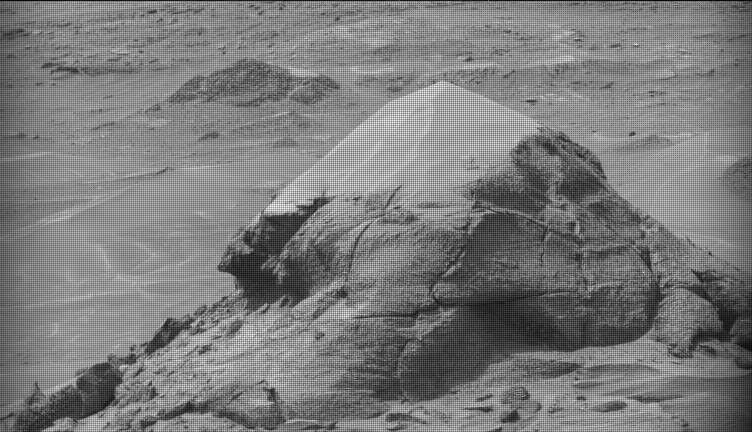
Written by William Farrand, Senior Research Scientist, Space Science Institute Earth planning date: Friday, June 12, 2026 Rather than going from stage to stage at a music festival to hear different ba
NASA — 18 June 2026
Text:
10
0
0
Written by William Farrand, Senior Research Scientist, Space Science Institute Earth planning date: Friday, June 12, 2026 Rather than going from stage
Read Full Story at NASA →
⚡ Quickyla Analysis
Original editorial context — not sourced from the article above
The latest update from NASA’s Curiosity rover, chronicling its activities on Mars between sols 4920 and 4926, offers more than just routine geological observations—it underscores the enduring value of long-term robotic exploration in unlocking the Red Planet’s secrets. While the rover’s focus on “surveying the bands” might seem esoteric, it reflects a critical phase in its mission: mapping the mineralogical and structural variations in the sulfate-bearing unit of Mount Sharp. These layered deposits, rich in sulfates like magnesium sulfate and calcium sulfate, are believed to have formed in the presence of water, potentially preserving clues about Mars’ transition from a wetter past to the arid world we see today. Understanding these bands isn’t just about geology—it’s about piecing together a narrative of planetary climate change spanning billions of years, one that could reshape our understanding of habitability not just on Mars, but across the solar system.
The broader significance of this work becomes clearer when considering Curiosity’s broader context. Launched in 2011, the rover has spent over a decade traversing Gale Crater, each sol building upon the last. The sulfate unit it’s now exploring represents a newer phase in its journey, distinct from the clay-rich terrains it studied earlier. These transitions highlight how Mars’ geological history is stratified, with each layer acting as a frozen record of environmental conditions at a specific time. The rover’s ability to detect and analyze these variations in situ—without the need for sample return—demonstrates the efficiency of modern robotic exploration, even as debates about Mars Sample Return missions intensify.
What remains uncertain is how these findings might align with or challenge existing models of Mars’ ancient climate. The sulfate-rich regions could suggest episodic periods of evaporation and drying, but the exact mechanisms—whether driven by volcanic activity, changing obliquity, or groundwater fluctuations—are still debated. Additionally, as Curiosity continues its ascent, the rover may encounter transitions between sulfate and other mineral units, raising questions about how these layers interact and what they reveal about Mars’ hydrological cycles.
This phase of the mission also serves as a reminder of the challenges inherent in planetary exploration. Dust accumulation on solar panels, wear on the rover’s wheels, and the need for precise navigation through rocky terrain all underscore the fragility of these robotic pioneers. Yet, their resilience continues to yield dividends, proving that even in the harshest environments, human ingenuity can extract profound insights about our place in the cosmos.
Sources

🔬 Science
'Astonishing': James Webb telescope spots the most chemically primitive galaxy in the ancient universe

🔬 Science
El Niño Is Underway

🔬 Science
Astronomers gaze into the 'Crystal Ball Nebula' and see a vision of our dying sun — Space photo of the week

🔬 Science
Bacteria uncover distinct strategy to import rare sugar polymers, crystal structures show

🔬 Science
NASA Awards Contract for Johnson Space Center Infrastructure

🔬 Science
Repairing DNA damage: Scientists discover a surprising new benefit of melatonin

