Darfur: Weaponising Identity
How land conflict, state neglect and racist ideology have driven Darfur towards alleged genocide. This episode examines how mass violence in Darfur has been constructed over time and why many activis

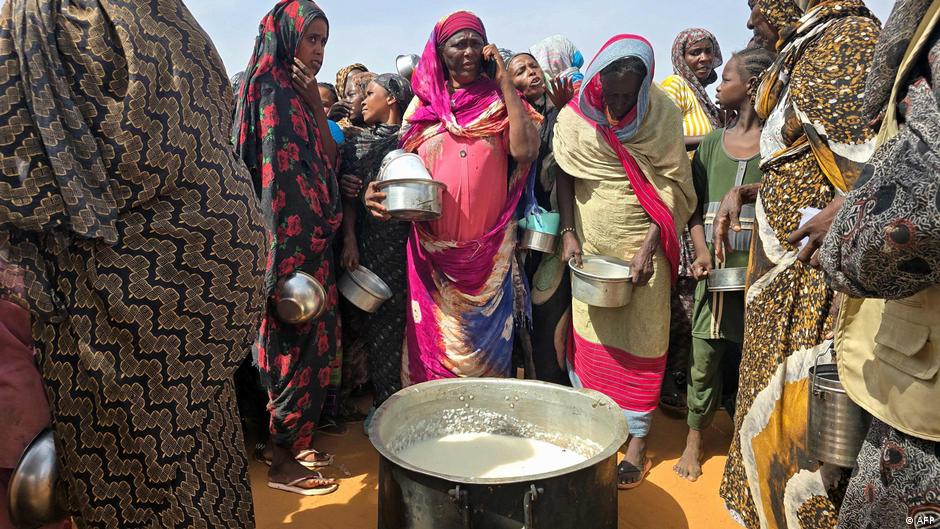
How land conflict, state neglect and racist ideology have driven Darfur towards alleged genocide.
This report comes from Al Jazeera. The story centre
Read Full Story at Al Jazeera →Why This Matters
The situation in Darfur exemplifies the destructive power of identity politics, where ethnic divisions are exploited to justify violence and systematic oppression. Understanding this dynamic is crucial for addressing not only the immediate crises in the region but also for preventing similar patterns in other areas facing ethnic tensions and state neglect.
Background Context
Darfur has a complex history marked by colonial legacies and post-colonial state policies that have exacerbated ethnic divisions. The ongoing conflict has roots in land disputes and resource competition, with the Sudanese government historically favoring certain groups, leading to widespread disenfranchisement and resentment among marginalized communities.
What Happens Next
The international community's response will be crucial in shaping the future of Darfur. Monitoring the actions of both the Sudanese government and local militia groups will be essential, as will any potential peace negotiations that could either alleviate or exacerbate tensions in the region.
Bigger Picture
The Darfur conflict reflects a troubling trend of state failure where governments resort to violence against their own citizens, often along ethnic lines. This pattern is increasingly seen in various global contexts, highlighting the need for comprehensive approaches to governance, human rights, and conflict resolution that prioritize inclusivity and justice.