Astronomers detect dark comets with tails near Earth
Astronomers discovered the first "dark" comets with faint tails, proving they’re active comets that explain ‘Oumuamua’s unexplained speed boost. This reveals a hidden population of solar system comets
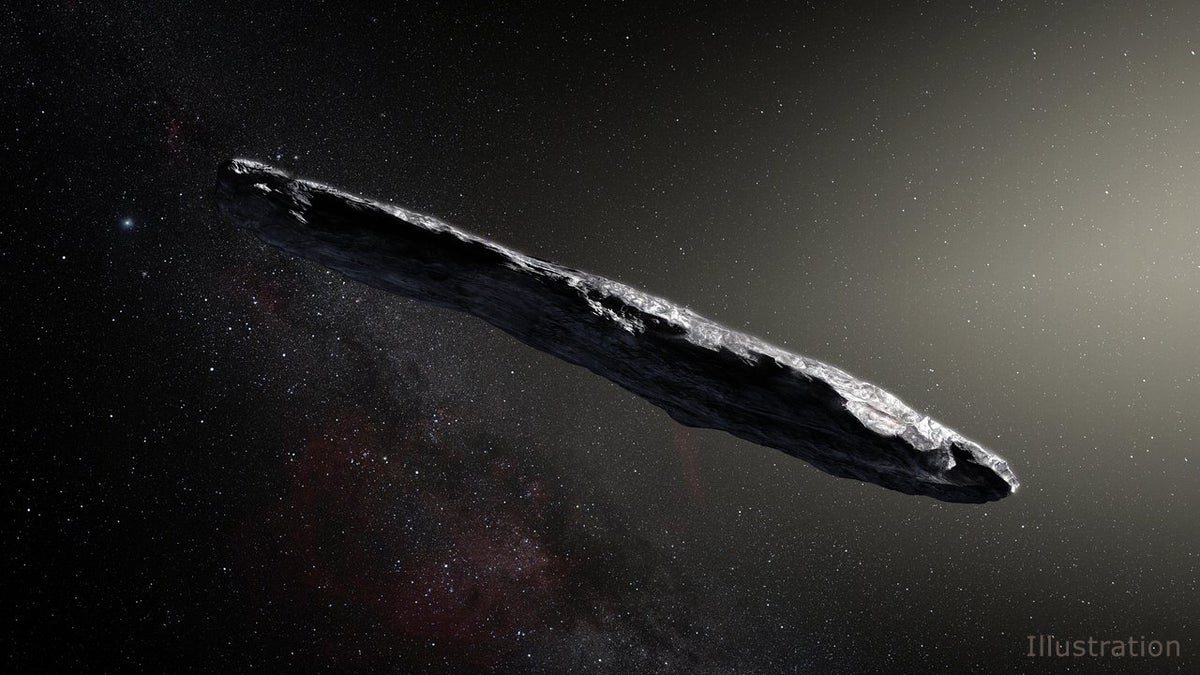
Astronomers have spotted the first "dark" comets sprouting tails, offering a natural explanation for the mysterious speed boost of 'Oumuamua, our sola
Read Full Story at Scientific American →Why This Matters
The discovery of "dark" comets with faint tails reshapes our understanding of interstellar objects, offering a plausible explanation for anomalous phenomena like ‘Oumuamua’s unexplained acceleration. It suggests these celestial wanderers are far more common than previously believed, forcing a reevaluation of how comets behave in deep space. The implications extend beyond astronomy, potentially influencing theories about the origins of life and the dynamics of solar system formation.
Background Context
Comets have long been observed as bright, icy bodies with glowing tails when near the Sun, but their distant counterparts often remained invisible to telescopes. The term "dark comets" emerged from models predicting hidden activity, though direct evidence was elusive until recent advances in detection technology. This discovery aligns with growing evidence that the outer solar system may harbor millions of such objects, unseen but dynamically influential.
What Happens Next
Researchers will likely deploy next-generation telescopes to hunt for more dark comets, refining their search strategies based on the newfound faint signatures. The findings could spur new missions to study these objects up close, particularly if they prove to be frequent visitors to our solar neighborhood. Meanwhile, the debate over ‘Oumuamua’s nature may intensify, with this discovery lending weight to the comet hypothesis.
Bigger Picture
This discovery underscores a broader shift in astronomy toward studying the "dark" or invisible components of the cosmos, from rogue comets to wandering black holes. It also highlights how serendipitous observations—like those of ‘Oumuamua—can unlock major scientific breakthroughs when paired with modern technology. As detection methods improve, such hidden populations may become a cornerstone of interstellar research.