Denisovan DNA influences the immune systems of modern Oceanians — but researchers aren't sure why
Genes inherited from the now-extinct Denisovans are actively playing a role in the immune system of some people from Oceania.
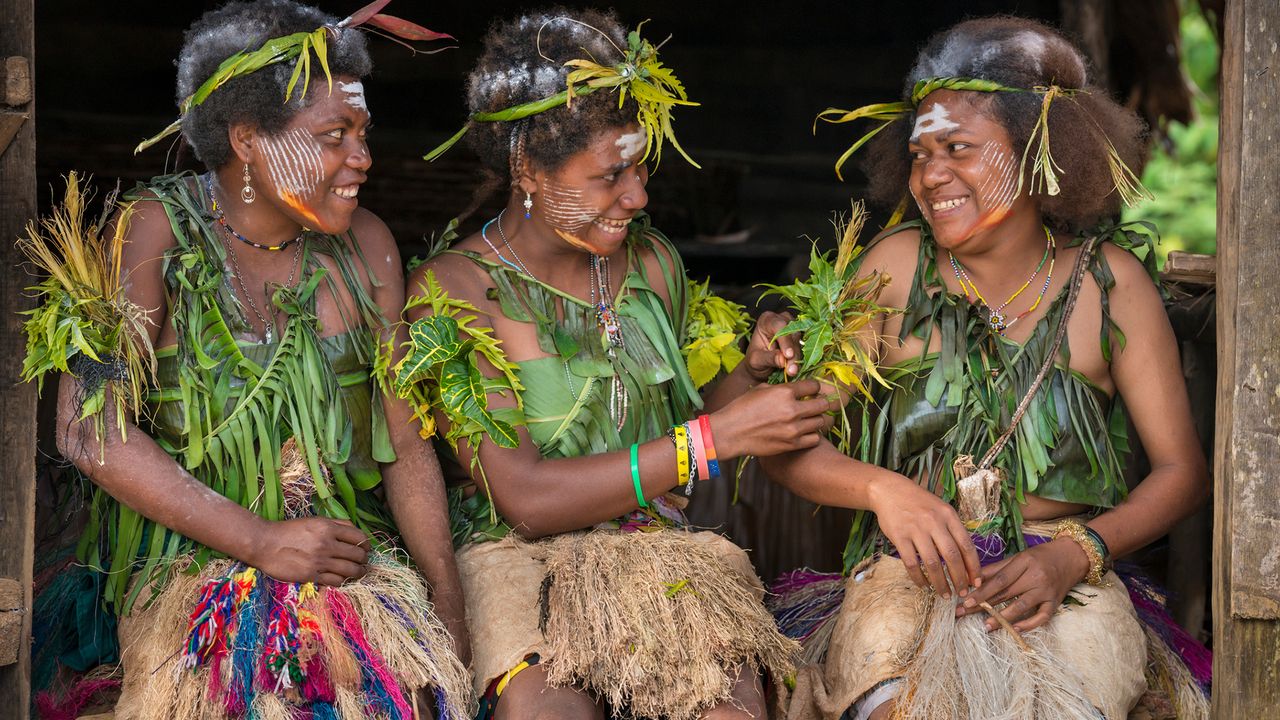
Genes inherited from the now-extinct Denisovans are actively playing a role in the immune system of some people from Oceania. This report comes from
Read Full Story at Live Science →The discovery that Denisovan DNA shapes the immune systems of modern Oceanians is more than an anthropological curiosity—it’s a window into how ancient human encounters continue to echo in our biology today. Denisovans, a sister group to Neanderthals, vanished tens of thousands of years ago, yet their genetic legacy persists in populations across Oceania, including Indigenous Australians and Papuans. This study suggests that some of these inherited genes are not mere relics but actively influence immune responses, hinting at a survival advantage passed down through generations. Why does this matter? It underscores how interbreeding with archaic humans may have equipped modern humans with tools to navigate new pathogens—a dynamic that could reshape our understanding of human evolution and disease resistance. The broader significance lies in the timing. When Denisovans mixed with the ancestors of Oceanians, they were likely encountering unfamiliar environments and pathogens as they migrated into Sahul, the ancient landmass connecting Australia and New Guinea. The immune genes they carried may have provided a critical edge in fighting local diseases, a process known as adaptive introgression. This phenomenon isn’t unique to Oceania; Neanderthal DNA also contributes to immune function in Eurasians, suggesting a recurring theme in human history where ancient genetics helped shape modern resilience. Yet the Oceania case is particularly striking because Denisovans left fewer traces elsewhere, making their genetic footprint there more pronounced. Open questions remain. Why do some Denisovan immune genes persist while others fade? Could this reflect a winnowing effect, where only the most beneficial variants endured? Or does it hint at a more complex interplay between Denisovan pathogens and human hosts? Researchers also wonder whether these genes confer resistance to specific diseases in Oceania today, or if their role has evolved over millennia. As climate change and globalization alter pathogen landscapes, understanding these ancient adaptations could offer clues for future medical research. Ultimately, this study bridges anthropology and immunology, revealing how deep-time interactions still reverberate in our bodies. It’s a reminder that the story of humanity isn’t just written in bones and artifacts—it’s also encoded in our DNA.







