Desert Field Test With NASA Advanced Rover Prototype
Description A prototype four-wheel rover developed at NASA’s Jet Propulsion Laboratory with advanced mobility and robotic autonomy capabilities trundled across the Colorado Desert near Plaster City, C
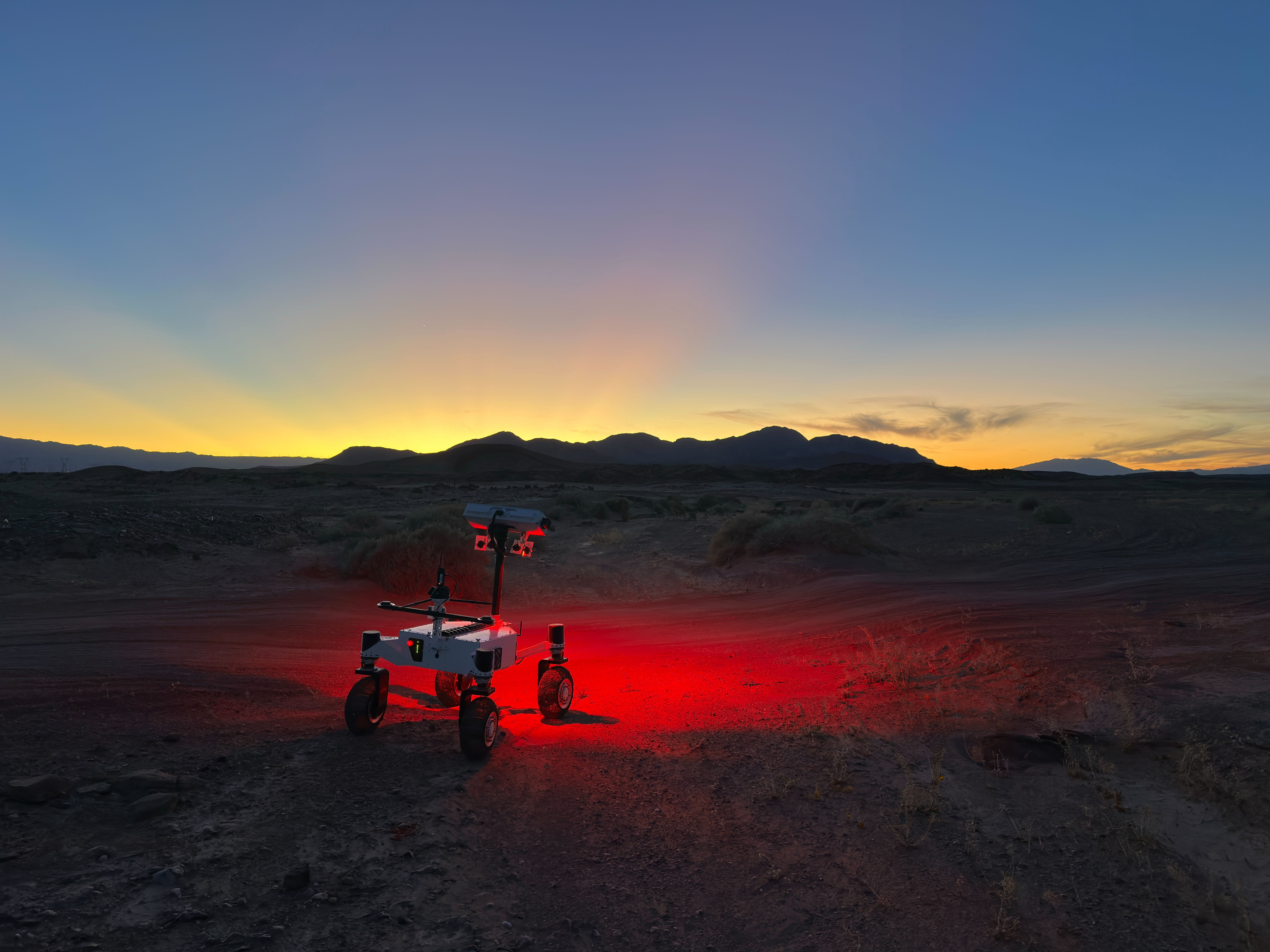
Description A prototype four-wheel rover developed at NASA’s Jet Propulsion Laboratory with advanced mobility and robotic autonomy capabilities trundl
Read Full Story at NASA →The desert trials of NASA’s advanced rover prototype near Plaster City are more than a technical milestone—they mark a critical step in solving one of the most persistent challenges in planetary exploration: how to traverse alien terrain with autonomy and precision. Mars, the Moon, and even distant moons like Titan present landscapes of jagged rocks, loose regolith, and steep slopes that can immobilize even the most robust machines. By pushing a next-generation rover through the rugged, sun-baked expanses of the Colorado Desert, NASA is not just testing hardware—it’s stressing software, navigation systems, and mechanical durability under conditions that approximate what future missions might encounter beyond Earth. The desert’s loose sand, sudden rock outcrops, and extreme temperature swings make it an ideal analog for extraterrestrial environments, where dust can blind sensors, slopes can tip rovers backward, and communication delays force machines to make life-or-death decisions on their own. This test is particularly significant in the context of NASA’s Artemis program, which aims to return humans to the Moon and establish a sustainable presence there by the end of the decade. While astronauts will explore the lunar south pole, robotic rovers will need to scout ahead, deploy instruments, and potentially transport supplies across permanently shadowed regions where sunlight—and the ability to recharge—is scarce. The rover prototype’s advanced autonomy could be the key to unlocking those dark, icy craters, where line-of-sight communication is limited and real-time human intervention is impossible. Beyond the Moon, such systems are also being eyed for missions to Europa or Enceladus, icy ocean worlds where surface operations could involve navigating crevasses and avoiding geysers of subsurface water. What remains unclear is how quickly these capabilities can be integrated into operational missions. Autonomous navigation on Earth is already a complex engineering feat, but in the harsh, unpredictable environments of other planets, even a single misstep could mean mission failure. Regulatory and ethical questions also loom: as rovers become more independent, how much decision-making authority should they have, and who is accountable if something goes wrong? For now, the desert test is a promising sign that NASA is closing the gap between laboratory theory and real-world resilience—a necessary evolution if humanity is to explore, and ultimately survive, off-world.







