Bacteria and archaea evolved independently from LUCA
Life on Earth may have started twice, as bacteria and archaea likely evolved independently from LUCA, a primitive ancestor dependent on hydrothermal vent metals. This suggests life could arise more e…
Life on Earth may have started not once, but twice, according to a new study that challenges long-held views about the origins of bacteria and archaea.
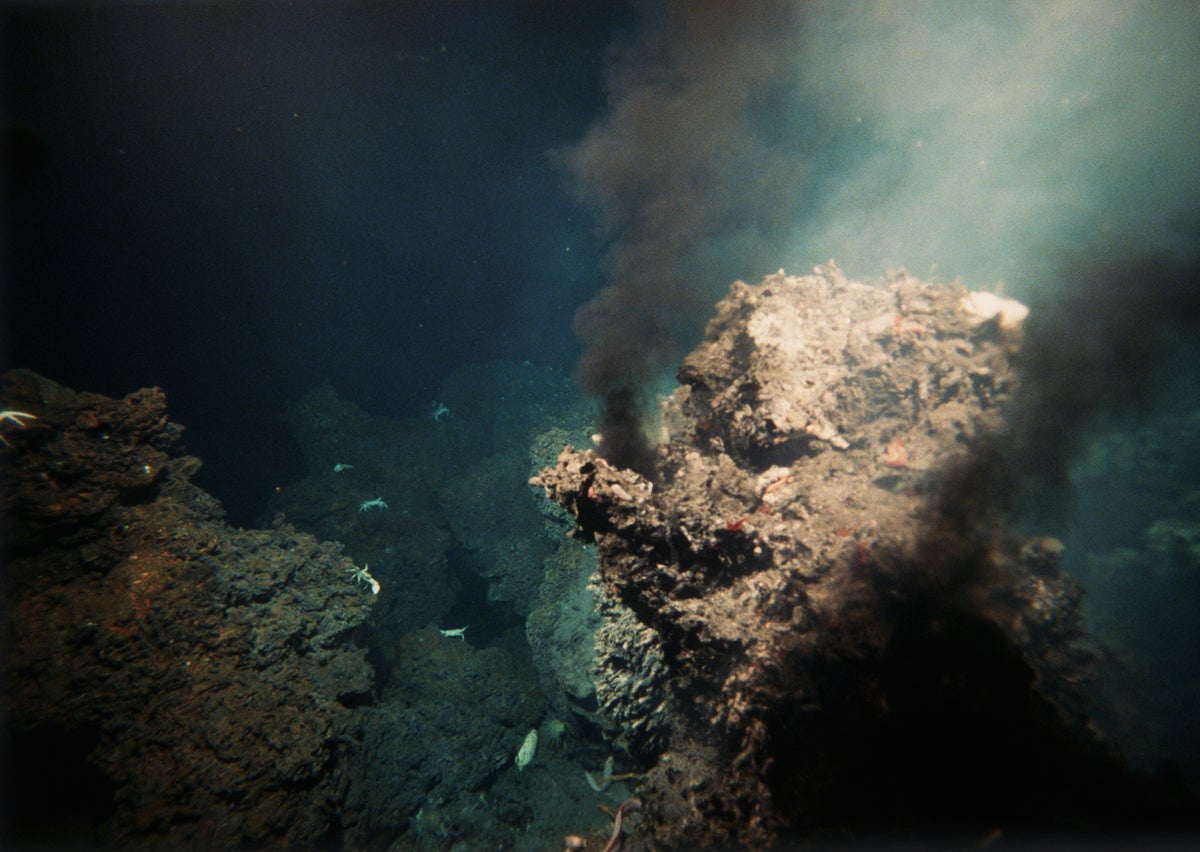
The research, published in Science Advances, suggests that these two major branches of life emerged separately from a primitive ancestor that was not fully alive. Instead, this ancestor—known as LUCA (Last Universal Common Ancestor)—relied on metals from hydrothermal vents to power its metabolism. Over time, bacteria and archaea evolved their own enzymes, breaking free from their dependence on these vents to become fully independent cells.
The study’s authors, led by evolutionary biologist William Martin of Heinrich Heine University, analyzed genetic data to reconstruct the chemical reactions that early life forms needed to survive. They found that bacteria and archaea shared genes for about half of these essential reactions, while the other half were unique to each group. This suggests that both branches of life developed the ability to sustain themselves independently, rather than evolving from a single common ancestor.
Martin argues that this "metabolic lens" provides a clearer view of life’s earliest stages than traditional genetic methods, which can be distorted by billions of years of evolution. The findings imply that life on Earth may have arisen multiple times before settling into the stable forms we recognize today. If correct, this could reshape our understanding of how common life might be in the universe—because if life can start more than once, the odds of finding it elsewhere may be higher.
Read Full Story at Scientific American →