Neanderthals and humans shared culture in ancient Türkiye
Neanderthals and Homo sapiens in modern-day Türkiye shared tool-making, hunting methods, and a preference for collecting *Columbella rustica* mollusk shells between 77,000 and 47,000 years ago. This c
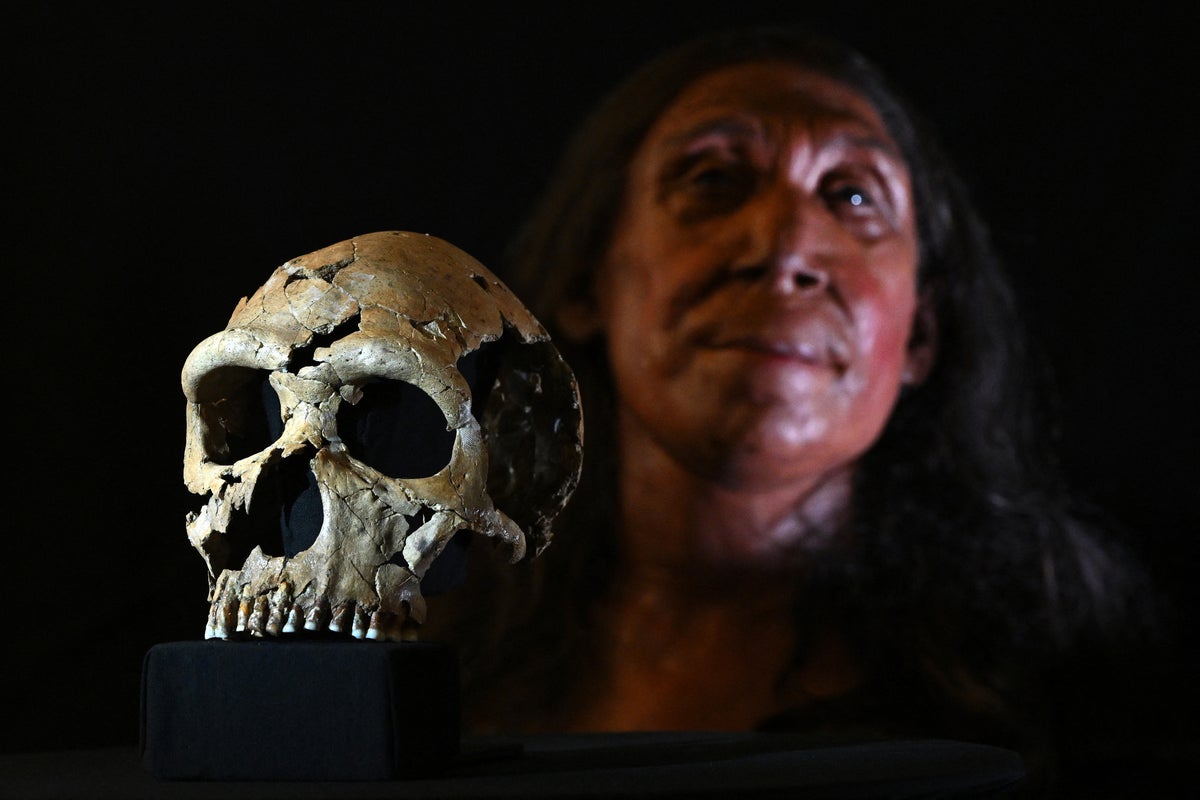
Neanderthals and our Homo sapiens ancestors may have shared cultural practices despite living in the same region at different times, new fossil eviden
Read Full Story at Scientific American →Why This Matters
The discovery challenges the long-held assumption that complex cultural practices—such as symbolic shell adornment and advanced toolmaking—were exclusive to Homo sapiens. If confirmed, it would rewrite human evolutionary history, proving that cultural exchange between our ancestors and Neanderthals was not just possible but common across regions.
Background Context
For decades, Neanderthals were dismissed as brutish and intellectually inferior, with their cultural achievements often downplayed. Recent findings from caves in Türkiye, however, align with growing evidence from sites like Shanidar (Iraq) and La Ferrassie (France), where Neanderthals exhibited behaviors once thought unique to modern humans.
What Happens Next
Further excavations in the region could reveal whether these cultural practices were borrowed, shared, or independently developed. Genetic studies may also uncover traces of interbreeding linked to these exchanges, while archaeological techniques like residue analysis could clarify the functional and symbolic roles of the shells and tools.
Bigger Picture
This finding fits a broader pattern of Neanderthal sophistication, from cave art in Spain to burial rituals in Belgium. It suggests that human-like cognition may have been more widespread in Eurasia long before Homo sapiens' global expansion, reshaping our understanding of what it means to be human.