Diesel fuel prices are rising—chemistry can help explain why
Diesel fuel prices are rising—chemistry can help explain why Diesel prices have almost doubled over the past year, spelling trouble for farmers, truckers and the entire U.S. economy Diesel fuel pri…
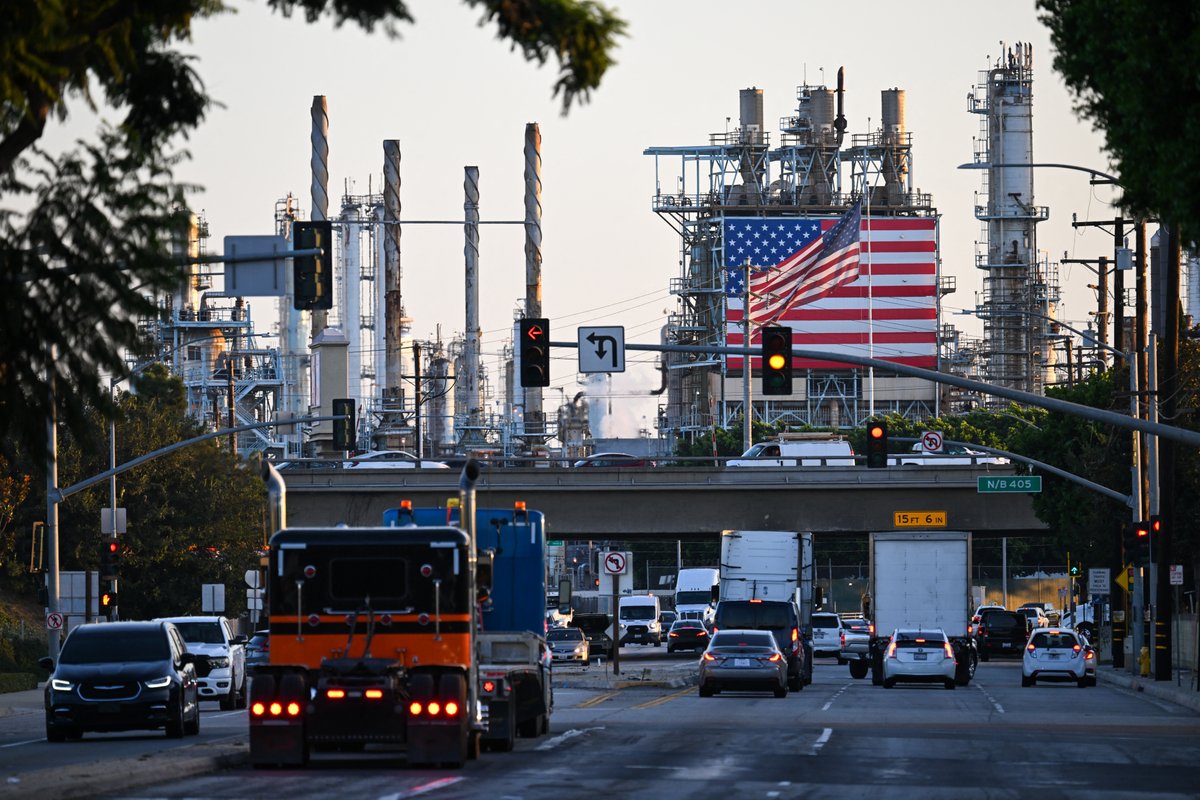
Diesel prices have almost doubled over the past year, spelling trouble for farmers, truckers and the entire U.S. economy
Diesel fuel prices in the U.S. are rising dramatically—much more so than gasoline prices. That's putting economic pressure on agriculture and other key industries—but the reason why has as much to do with chemistry as it does with supply or demand.
As of Thursday, the average diesel price in the U.S. is $6.5141 per gallon, roughly a cent lower than the all-time historic high set on Tuesday, according to American Automobile Association (AAA) data . Experts believe that unless something dramatic happens in the ongoing wars in Iran and Ukraine, the price climb is likely to continue.
If you're enjoying this article, consider supporting our award-winning journalism by subscribing . By purchasing a subscription you are helping to ensure the future of impactful stories about the discoveries and ideas shaping our world today.
The reason diesel is more expensive than gasoline involves a combination of geopolitics, as well as the chemistry of the product itself.
Both gasoline and diesel are made from crude oil, but their chemical makeup differs in several ways. Diesel’s chains of hydrocarbons—organic compounds made up of hydrogen and carbon atoms—are longer, which makes the fuel around 20 percent more efficient than gasoline, explains Robert Farrauto, a professor at Columbia University’s department of Earth and environmental engineering.
“That’s the reason truckers use diesel,” Farrauto says. “You get much better fuel economy because it uses less fuel, because the molecules are bigger. You get more energy, which means you need fewer hydrocarbons in mixture with air in order to get mileage.”
The process needed to refine diesel is more intensive, however. That’s because of the type of oil used in its production. Unlike gasoline, which is primarily made out of “sweet crude”—a high quality oil with relatively few impurities and shorter chains of hydrocarbons—diesel is made out of heavier oil with longer hydrocarbon chains, such as those produced in Canada’s tar sands or Venezuela’s oil fields. This can come with high levels of metals such as nickel and vanadium, which can damage engines, and sulfur, which can be poisonous to people. Because of environmental regulations, those contaminants need to be removed during refining.
Read Full Story at Scientific American →