Mammals blocked tiny dinosaurs from evolving
Early mammals’ emergence may have blocked tiny dinosaurs from evolving by competing for key resources, explaining why dinosaurs stayed large. Without this competition, small, bird-like dinosaurs migh…
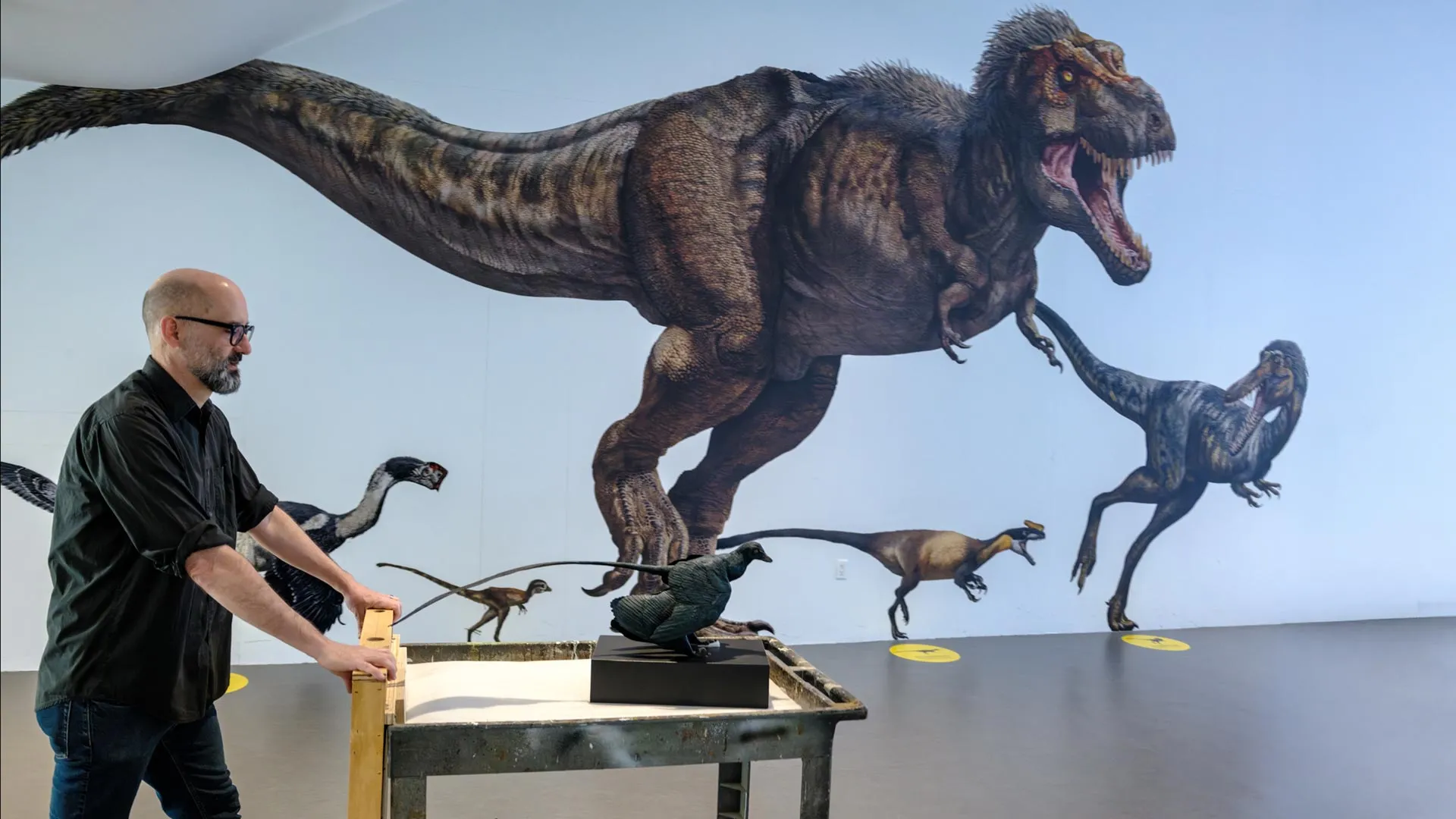
Dinosaurs grew to staggering sizes — some as tall as buildings, others as long as buses — yet they almost never shrank to tiny forms. New research suggests their failure to evolve into miniature versions wasn’t just a matter of body mechanics. Instead, scientists argue that early mammals may have locked dinosaurs out of the small-animal world, leaving them stranded in giant forms.
The puzzle deepens when you consider that many other reptile lines, from lizards to snakes, did produce tiny species. Dinosaurs, however, stayed big. A team of paleontologists now proposes that small mammals, which emerged at the same time as dinosaurs, competed for food, burrows and hiding spots that would have supported mouse-sized dinosaurs. Over millions of years, mammals’ head start in miniaturization may have crowded out any dinosaur push toward small size.
Evidence comes from fossil records showing that tiny mammals thrived alongside dinosaurs during the Mesozoic era. While dinosaurs dominated as predators and giants, mammals stayed small, filling niches like insect-eating or seed-gathering. This division may have prevented dinosaurs from experimenting with small body plans. Computer models support the idea: competition from mammals likely made life too tough for tiny dinosaurs to evolve and survive.
What this means is that dinosaurs’ dominance wasn’t just about their own biology — it was also shaped by who else was on the planet. Had mammals not claimed the small-animal world, we might have seen tiny, bird-like dinosaurs hopping through the undergrowth. Instead, dinosaurs stayed big, mammals stayed small, and the ecosystem split between two extremes. The result? A world where giants ruled the land — and tiny mammals waited in the wings for their moment after the asteroid hit.
Read Full Story at ScienceDaily →