Dismay as Trump officials to dismantle key ocean monitoring system
Ocean Observatories Initiative, $368m network that has provided crucial climate data, latest victim of Trump cuts The Trump administration plans to dismantle a $368m deep-sea observation system that has for more than a decade provided crucial data on ocean systems and climate ch
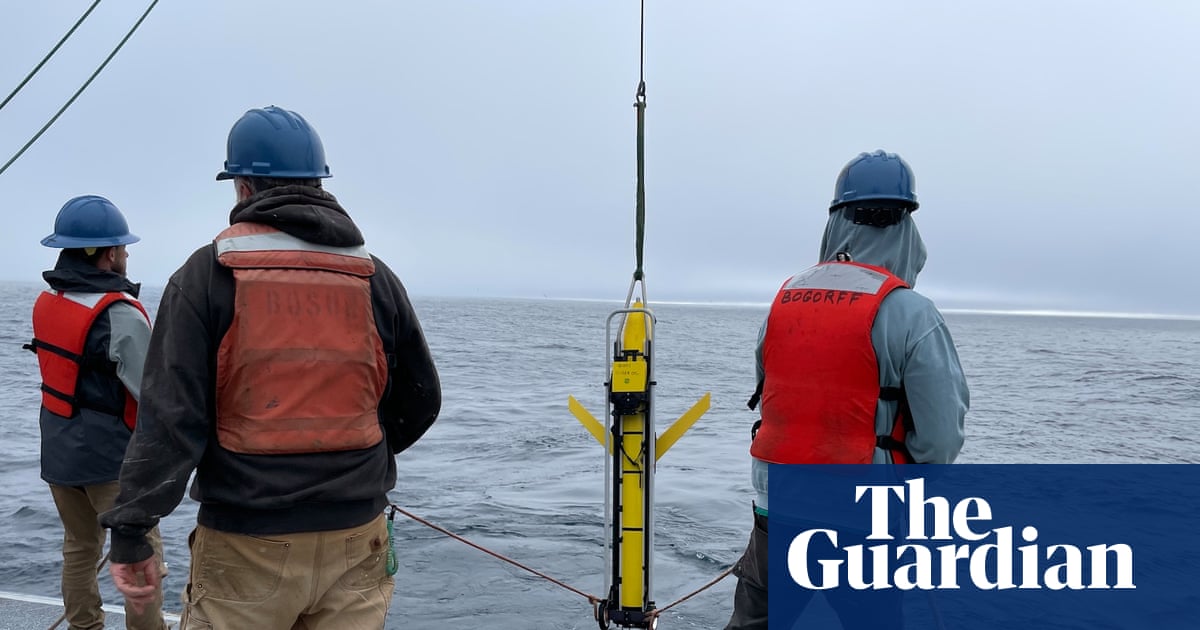
Ocean Observatories Initiative, $368m network that has provided crucial climate data, latest victim of Trump cuts
The Trump administration plans to dismantle a $368m deep-sea observation system that has for more than a decade provided crucial data on ocean systems and climate change.
In a notice , the National Science Foundation (NSF) announced that it had “initiated descoping of the Ocean Observatories Initiative” (OOI), a vast ocean observation network comprising more than 900 instruments that collect data on ocean health, including current patterns, climate variability and marine biodiversity.
The notice, issued on 21 May, came just days after Trump fired all members of the independent board that oversees the NSF. It outlined plans to remove all in-water infrastructure from observation sites off the coasts of North Carolina, Oregon, Washington and Alaska, as well as from the Irminger Sea, a marginal sea between Greenland and Iceland.
Some scientists expressed dismay at the plan, while Democratic lawmakers said they would fight it, including Senator Chris Van Hollen,of Maryland, who called it a “shortsighted move” that would “end up costing American taxpayers more not less”, the New York Times reported.
Senator Sheldon Whitehouse, a Rhode Island Democrat, said on X: “Fossil fuel is heating our oceans by the zettajoule, so Trump’s corrupt fossil fuel stooges want to turn off the monitors.”
Following the announcement, the OOI’s principal investigator, Jim Edson, said the NSF’s plan involves a phased recovery and infrastructure removal process expected to take place over the next 15 months. “As infrastructure is recovered from each array, the associated real-time data streams and observing capabilities at those locations will come to an end,” Edson said.
The move will bring to an end more than a decade of continuous ocean monitoring after the system first became operational in June 2016.