Disney and ABC sue FCC, claim Trump retaliated against critical coverage
Disney and ABC have sued the FCC, alleging that the Trump administration's early license renewal process for their television stations is politically motivated retaliation for critical coverage. The …
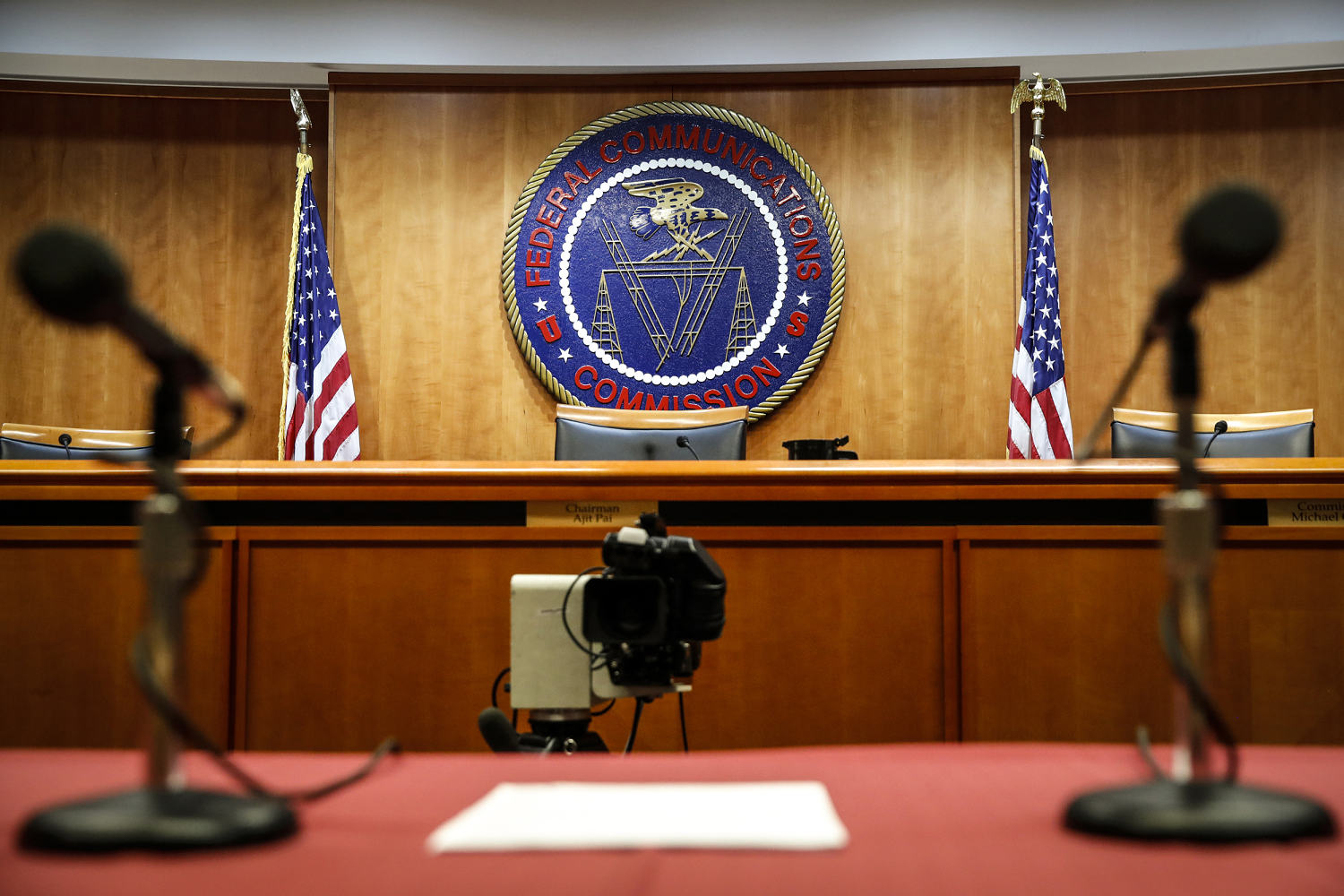
The Walt Disney Co. and ABC have filed a lawsuit against the Federal Communications Commission (FCC), claiming that the Trump administration is launching a “retaliatory campaign” against them. The suit seeks to halt the FCC's early license renewal process for television stations owned by ABC, alleging that the move is politically motivated and aimed at punishing the network for its critical coverage of the administration.
This legal action comes amid heightened scrutiny of media organizations and their relationships with government entities. Disney and ABC argue that the early renewal process undermines the principles of fair competition and free speech. The company claims the FCC's actions are designed to intimidate and silence dissenting voices in the media landscape, particularly those that have been critical of Trump’s policies and actions during his presidency. The timing is significant, as tensions between the media and the administration have escalated, with Trump frequently attacking news outlets he perceives as unfavorable.
In the lawsuit, Disney and ABC cite specific instances where the Trump administration has targeted media companies, including threats to revoke broadcasting licenses and increased regulatory scrutiny. They argue that such actions create a chilling effect on journalism and threaten the independence of media organizations. The FCC's early renewal process could potentially limit competition and reduce the diversity of viewpoints available to the public, which is a central tenet of media freedom.
The outcome of this lawsuit could set a precedent for how federal agencies interact with media companies moving forward. If Disney and ABC succeed, it may curtail the FCC's ability to impose regulatory pressures based on perceived political alignment. This case underscores the ongoing debate about media freedom in the United States and the potential for government overreach in regulating speech. As the legal proceedings unfold, it will be crucial to monitor the implications for both the broadcasting industry and the broader landscape of political discourse.
Read Full Story at NBC News →