Severe monsoon disruptions kill 100 in Assam, threaten agriculture and infrastructure
India is facing severe disruptions to its monsoon season, resulting in over 100 deaths and affecting more than 120,000 residents in Assam due to extreme flooding and landslides. The shift in rainfall…
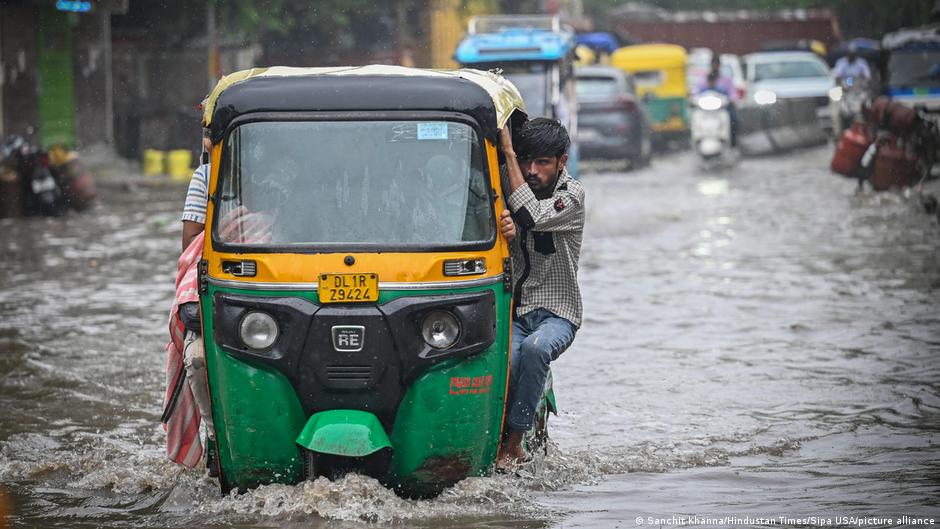
India is grappling with severe disruptions to its traditional monsoon season, which typically begins in June and retreats by September. Since late July, heavy monsoon rains have resulted in over 100 fatalities across the country due to floods, landslides, and lightning strikes. The northeastern state of Assam has been particularly hard hit, with more than 120,000 residents affected by flooding. Other states like Kerala, Jammu and Kashmir, Bihar, and Jharkhand have also reported deaths and significant disruption.
This year’s erratic monsoon pattern has raised alarm bells among scientists and meteorologists. While the total amount of rainfall has not dramatically increased, the way it is falling is changing. Long periods of dry weather are now frequently followed by intense downpours that overwhelm drainage systems and cause landslides. The phenomenon has been exacerbated by El Niño, but experts assert that the broader changes are linked to climate change. Akshay Deoras from the UK’s National Centre for Atmospheric Science notes that while the monsoon can have active and break spells, the intensity of these spells is on the rise, driven by a warming atmosphere that holds more moisture.
Madhavan Nair Rajeevan, a climate scientist, emphasizes that while average seasonal rainfall remains stable, the timing and intensity of the monsoon have shifted significantly. He highlights an increase in extreme short-duration rainfall events, which disrupt farming and damage crops. Farmers rely on predictable rainfall patterns for sowing and soil moisture, and the new erratic behavior poses substantial risks to their livelihoods.
Urban areas are also feeling the impact. Rapid construction has reduced the natural landscape's ability to absorb water, leading to more flooding in cities. Additionally, hard, dry soil absorbs less water after prolonged dry spells, resulting in more runoff during heavy rains rather than replenishing groundwater. These changes underscore the urgent need for adaptive measures as India confronts the growing threat of climate change on its monsoon system.
Read Full Story at DW World →