Does fast charging damage your battery more than regular charging?
From phones to electric vehicles, some batteries take an hour to charge, while others can take up to half a day.
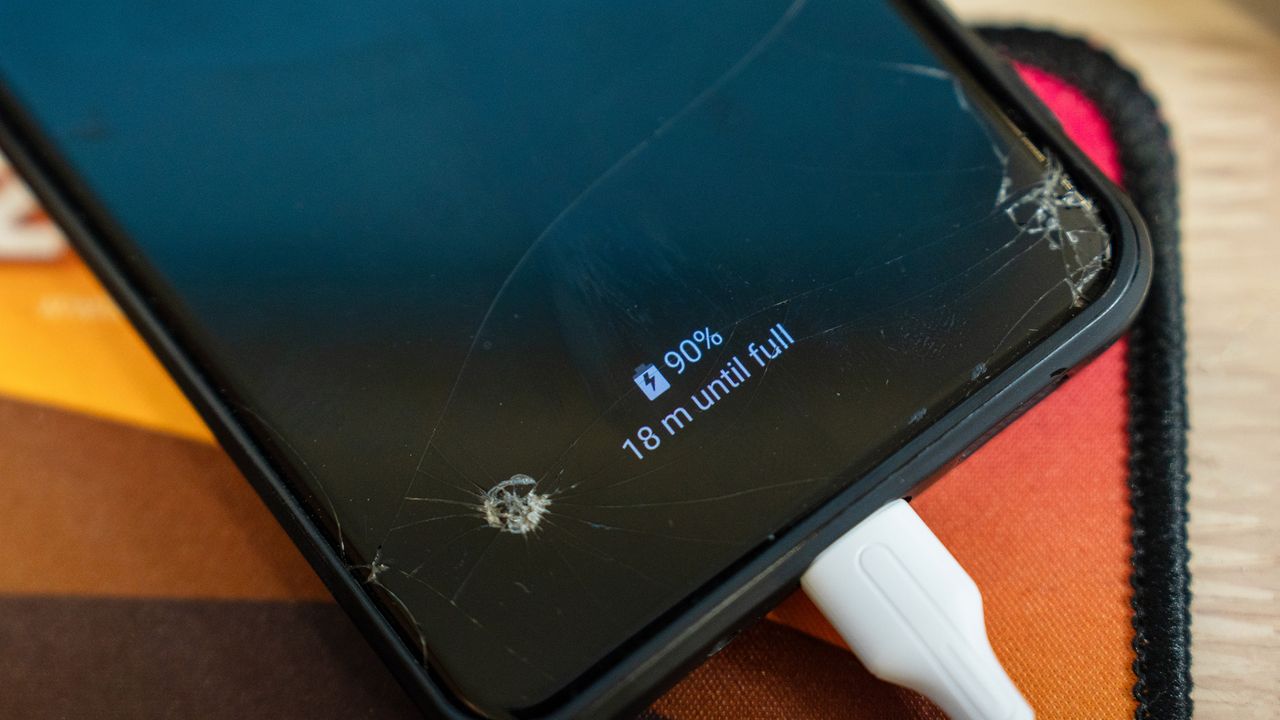
From phones to electric vehicles, some batteries take an hour to charge, while others can take up to half a day. This report comes from Live Science.
Read Full Story at Live Science →Why This Matters
The debate over fast charging isn’t just about convenience—it’s a pivotal moment in how we balance the accelerating demand for instant energy with the long-term sustainability of our devices and infrastructure. As consumers grow accustomed to near-instant refueling for everything from smartphones to electric vehicles, the hidden costs of rapid energy transfer—both in battery degradation and grid strain—could reshape consumer expectations and manufacturer priorities for decades.
Background Context
Battery charging technology has evolved in fits and starts since the first lithium-ion cells emerged in the 1990s, but fast charging only entered mainstream use in the 2010s as smartphones and EVs demanded shorter downtime. Early adopters like Qualcomm’s Quick Charge and Tesla’s Supercharger network proved that speed was possible, yet the trade-offs—heat buildup, electrolyte breakdown, and microstructural stress—were often treated as secondary concerns in the rush to market.
What Happens Next
The next wave of innovation may hinge on materials science: solid-state batteries, silicon anodes, or even graphene-enhanced cells could redefine what "fast" means without sacrificing longevity. Regulators, meanwhile, may scrutinize charging standards more closely, especially as fast-charging stations proliferate in urban areas where grid capacity becomes a bottleneck. Watch for manufacturers to shift marketing from "charge time" to "cycle health" as battery warranties become a key competitive edge.
Bigger Picture
This isn’t just about lithium-ion cells—it’s a microcosm of the energy transition, where speed and sustainability are increasingly at odds. From data centers to grid storage, the lessons learned in consumer electronics are informing broader energy systems, proving that how we power our lives today will determine what remains possible tomorrow. The companies that master this balance may set the standard for the next century of energy use.