Dogs' brains react to human emotions study finds
Dogs' brains process human emotions like fear and happiness in specific regions, similar to how humans do. This explains why dogs excel as therapy or support animals in detecting and responding to hu…
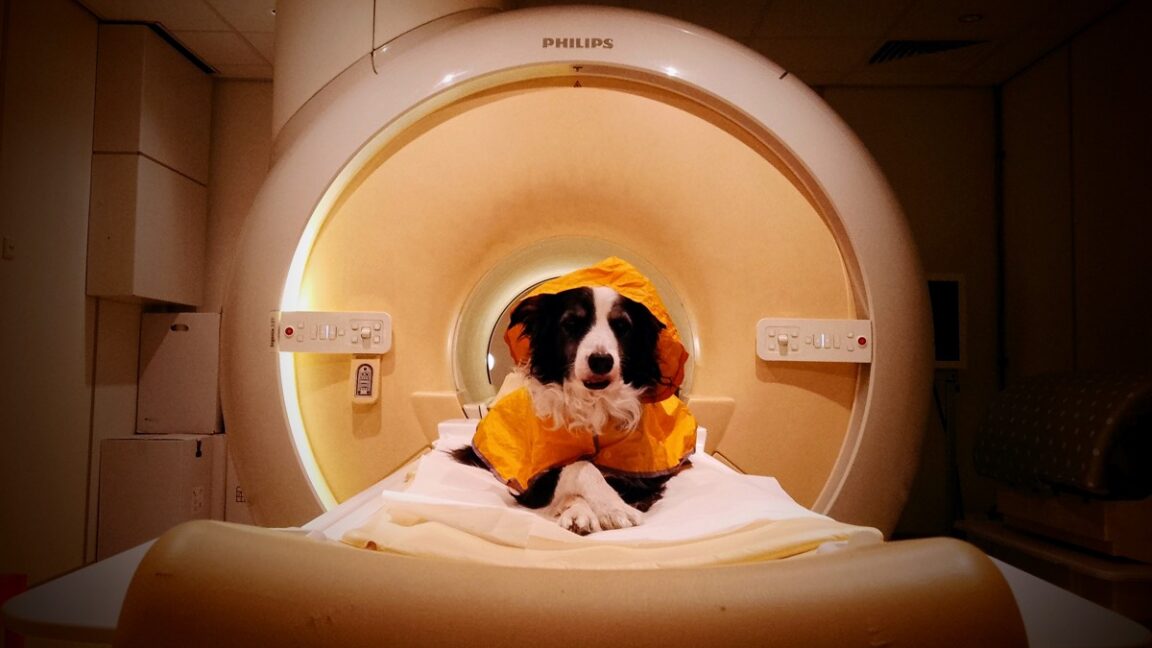
Scientists using fMRI scans have found that dogs can distinguish human emotions like happiness, fear, anger, and sadness by recognizing distinct patterns of brain activity in other dogs. The study, published this week, shows that when dogs smell or sense these emotions from humans, their brains respond in ways that match the emotional state being perceived. The research was conducted by a team at Eötvös Loránd University in Hungary, where researchers trained dogs to lie still in an MRI machine while exposed to different human emotional cues.
The discovery builds on earlier work showing dogs have evolved specialized brain regions to process human emotions. Dogs have lived alongside humans for tens of thousands of years, developing a unique ability to read our facial expressions, tone of voice, and body language. This new study goes further by showing their brains physically respond to emotional states in a way that mirrors how humans process feelings. It suggests dogs don’t just react to tone or smell—they process emotions in a structured, almost cognitive way.
In the experiment, researchers played recordings of human voices expressing different emotions while monitoring the dogs’ brain activity. They found that fear and anger triggered stronger responses in the amygdala, the brain’s threat detector, while happiness and sadness activated areas linked to social bonding and empathy. The dogs’ reactions were consistent even when they couldn’t see the person, meaning they weren’t just responding to visual cues. One dog even refused to enter the MRI machine when it detected fear-related sounds, showing a behavioral response that matched the brain data.
Researchers say this could help explain why dogs are so effective as therapy animals, emotional support companions, and even in search-and-rescue work. The findings could also lead to better training methods for dogs in sensitive roles, like detecting stress in PTSD patients or guiding individuals with autism. With more studies, scientists hope to uncover whether dogs not only recognize emotions but also experience empathy—a question that could reshape how we understand animal consciousness. For now, the message is clear: your dog isn’t just watching you. It’s listening to your heart.
Read Full Story at Ars Technica →