Drivers should avoid charging laptops with car USB ports, experts warn.
Drivers should avoid using their car's USB ports to charge laptops, as these ports typically provide insufficient power, leading to slow charging or potential device damage. Instead, use a 12V USB-C …
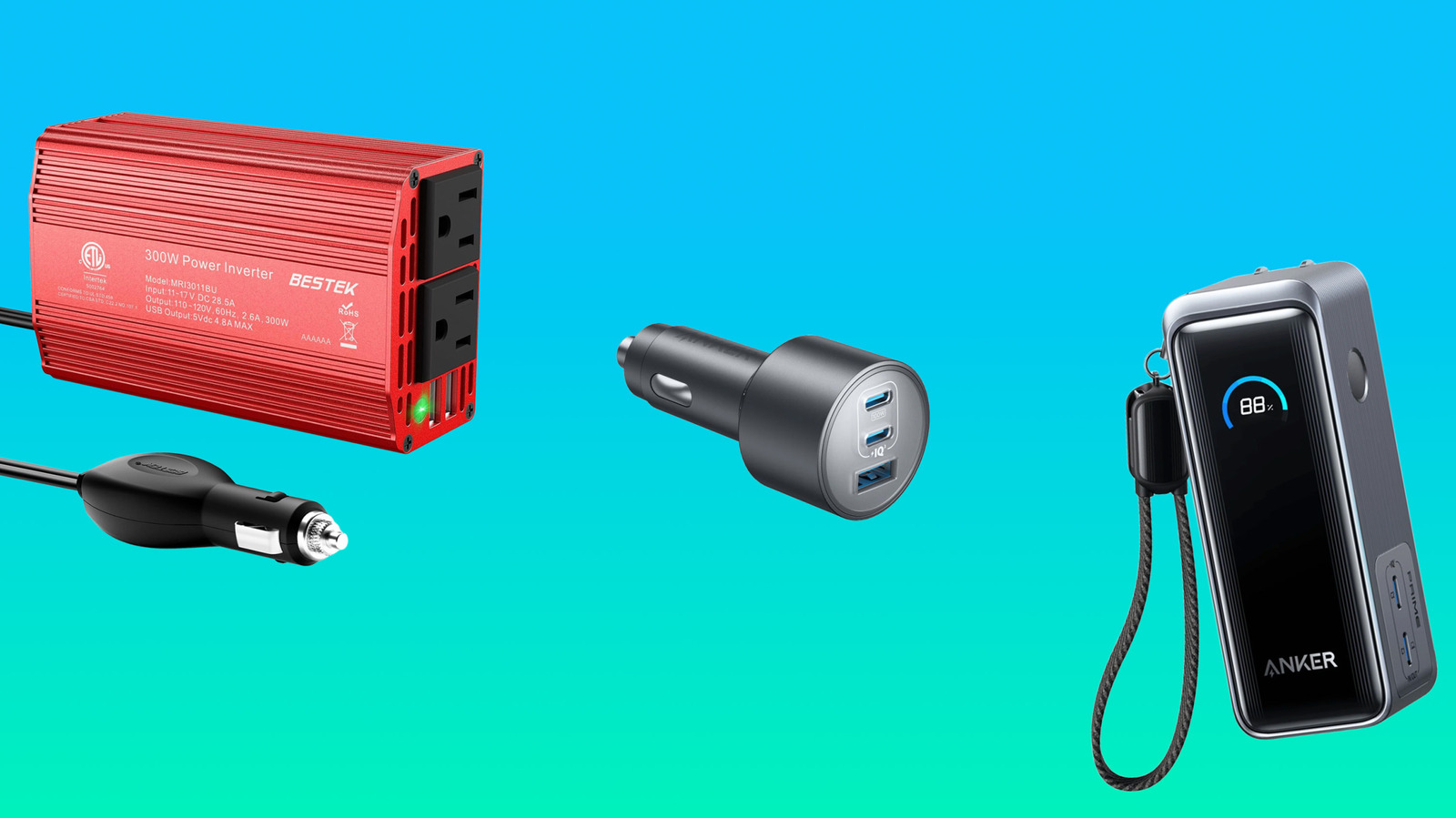
Drivers are being warned against using their car's USB ports to charge laptops, as these ports are typically not designed for that purpose. While it may seem convenient to plug in your laptop via USB-C, most vehicles' USB ports are optimized for charging phones or for media playback, delivering only a small amount of power.
This issue has gained attention as more people use their laptops on the go. Many laptops require significantly more power than what standard USB ports can provide. For instance, the M5 MacBook Air comes with a 40W charger and needs a 70W or higher USB PD power source for optimal charging. In comparison, most car USB ports only offer 5W to 7.5W, resulting in painfully slow charging speeds, if any at all. Users are advised to check the wattage requirements on their laptop chargers to ensure they match the charging solution they choose.
Some newer vehicles, particularly electric models, may feature high-wattage USB-C ports capable of charging laptops effectively. However, this is not the norm. Drivers should look for labels near the ports or consult their owner’s manual to see if their vehicle supports USB-C Power Delivery for laptops. Without this capability, they risk damaging their devices or experiencing very little charge.
For reliable charging, experts recommend using a 12V USB-C PD charger that plugs into the car's accessory outlet. These chargers typically provide more power than standard USB ports. Another option is a power inverter, which converts the car's DC power to AC, allowing users to plug in their laptop's wall charger. Alternatively, a portable power bank designed for laptops can be a practical solution. Regardless of the method, users should always verify that the wattage aligns with their laptop's requirements to avoid complications while charging on the road.
Read Full Story at Engadget →