DR Congo: Tensions mount over planned constitutional referendum
The Congolese opposition coalition C64 has postponed nationwide protests originally scheduled for two weeks as of July 8. The decision follows a mediation initiative by Burundian President Evariste Nd
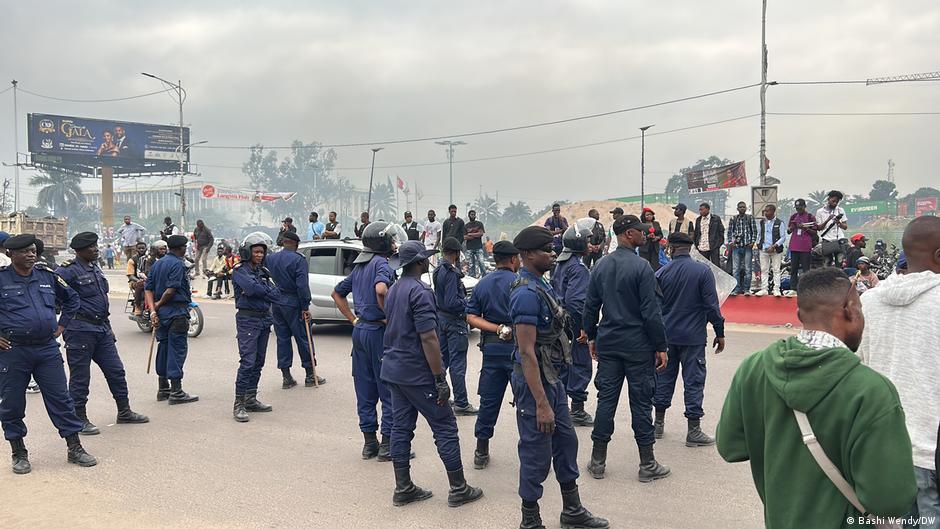
The Congolese opposition coalition C64 has postponed nationwide protests originally scheduled for two weeks as of July 8. The decision follows a media
Read Full Story at DW World →Why This Matters
The postponement of protests in the Democratic Republic of Congo (DRC) signals a fragile but critical window for political negotiation, where the stakes extend beyond Kinshasa to regional stability. With President Félix Tshisekedi’s bid for constitutional reform threatening to consolidate power, the opposition’s pause could either de-escalate tensions or embolden further government moves to sidestep democratic checks.
Background Context
The C64 coalition, a bloc of 64 opposition parties and civil society groups, has emerged as a formidable force against Tshisekedi’s second-term agenda, which critics argue risks undermining the 2006 post-conflict constitution that limits presidents to two terms. Burundi’s President Évariste Ndayishimiye, acting as a regional mediator, brings a delicate diplomatic calculus to the crisis, given Burundi’s own history of political violence and its role as a DRC neighbor grappling with its own governance crises.
What Happens Next
The coming weeks will reveal whether Ndayishimiye’s mediation can broker a compromise or if the delay merely buys time for Tshisekedi to push forward with a referendum. Security forces remain on high alert, and any resumption of protests could trigger violent crackdowns, particularly in volatile eastern regions where armed groups already exploit political instability. Meanwhile, international actors—including the AU and SADC—are under pressure to clarify their stance before the situation escalates further.
Bigger Picture
This standoff reflects a broader pattern across Central Africa, where leaders increasingly exploit constitutional loopholes to extend their rule, often with tacit regional support. The DRC’s crisis also highlights the growing influence of East African mediators, a shift from traditional Western-led interventions, and the risks of such approaches in fragile states where trust in institutions is already tenuous.