Drone captures stunning 4K time-lapse of 2026 solar eclipse over Spain
A drone captured rare 4K time-lapse footage of the 2026 total solar eclipse over Spain, offering an unobstructed view of the moon’s shadow. This video provides a unique scientific record of an event …
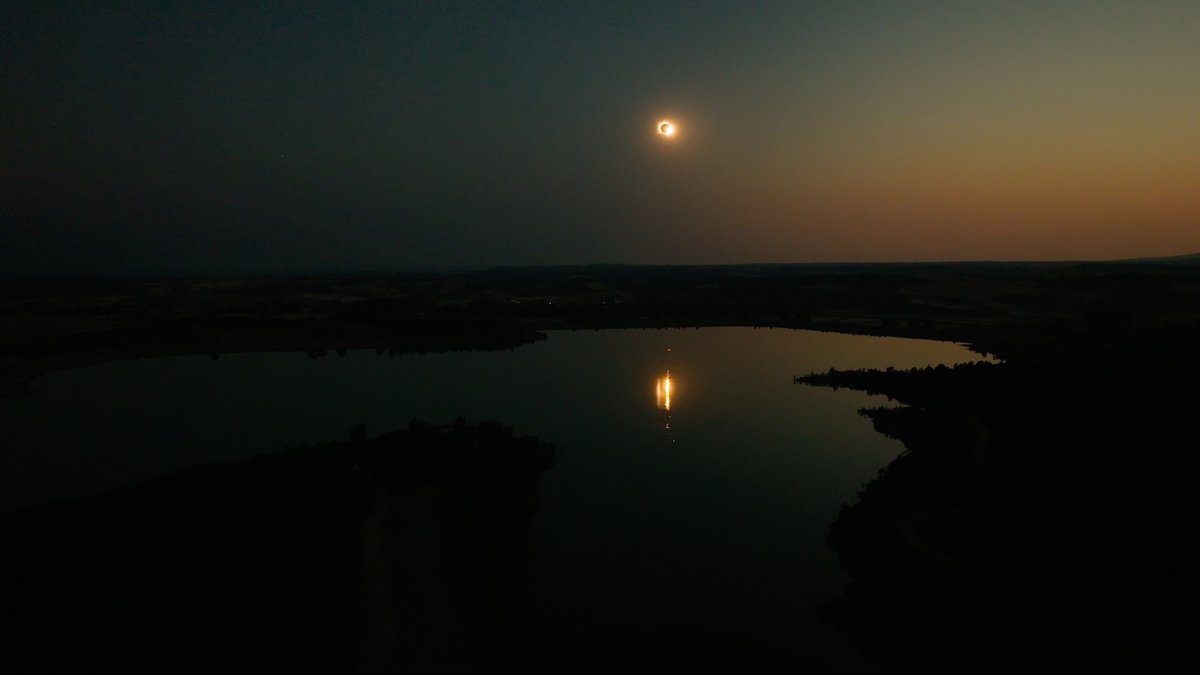
A drone operator has captured stunning 4K time-lapse footage of the total solar eclipse that passed over Spain in late August 2026, offering a rare and breathtaking perspective on one of nature’s most dramatic celestial events. The video, which has since gone viral across social media platforms and science news outlets, shows the moon’s shadow racing across the Iberian Peninsula at hundreds of miles per hour. Unlike traditional ground-level recordings that are often limited by weather, obstructions, or the need for long-exposure photography, this aerial footage provides an unobstructed, wide-angle view of the darkness spreading across the landscape. The clarity of the 4K resolution allows viewers to see the intricate details of the corona, the pearly white halo of the sun’s outer atmosphere, which is usually only visible during the brief minutes of totality. This visual record serves not just as a spectacle, but as a high-fidelity document of a specific astronomical alignment that will not repeat in this exact location for thousands of years.
The significance of this footage extends beyond its aesthetic appeal, tapping into a growing global fascination with eclipse chasing and the democratization of high-quality imaging technology. For decades, capturing the full scope of an eclipse required expensive, specialized equipment and fixed positions on the ground, often resulting in fragmented or obstructed views. The proliferation of consumer-grade drones equipped with advanced stabilization and high-resolution cameras has changed this dynamic, allowing enthusiasts and amateur astronomers to document these events from unique vantage points. The 2026 eclipse was particularly notable for European viewers because it was the first total solar eclipse visible from mainland Europe since 2015, and the last one visible from the continent until 2027. This rarity drove millions of tourists to Spain and Portugal, creating a surge in demand for clear, high-quality visual records. The drone operator, likely navigating strict aviation regulations that often ground unmanned aircraft during such large-scale public events, managed to secure permission to fly, highlighting the increasing intersection of recreational technology and scientific documentation.
Experts in solar physics have praised the video for its scientific utility as well as its public engagement value. The high frame rate and resolution allow researchers to study the dynamics of the solar corona more closely than standard ground-based videos might permit, particularly regarding the behavior of coronal mass ejections and the fine structures of the sun’s magnetic field. Additionally, the time-lapse format compresses the entire event, from the initial partial phases to the brief moment of totality and back into daylight, into a single, digestible clip. This makes complex astronomical phenomena accessible to a general audience that might otherwise find technical explanations dry or difficult to visualize. Reactions from the scientific community have been overwhelmingly positive, with several astronomy blogs and educational institutions using the clip to teach students about orbital mechanics and the scale of the solar system. The video’s clarity helps dispel common misconceptions about the eclipse, such as the idea that the sky goes completely black like night, when in fact, the sky retains a deep twilight hue.
This release comes as astronomers prepare for the next major celestial events in the coming years, including the 2027 total solar eclipse visible from the Canary Islands and Iceland. The success of the 2026 Spanish footage sets a new benchmark for public documentation of these rare events, encouraging both hobbyists and professionals to invest in better equipment and planning. As drone technology continues to improve, we can expect even more immersive and detailed records of future eclipses, potentially including 360-degree views and higher frame rates that could reveal even more subtle details of the sun’s behavior. For now, this 4K time-lapse stands as a definitive visual record of the 2026 event, preserving a fleeting moment of cosmic drama for future generations to study and enjoy. It serves as a powerful reminder of the thin line between our daily lives and the vast, dynamic forces of the universe that play out above us, often unnoticed until they are suddenly, dramatically revealed.
Read Full Story at Scientific American →