Drought in Germany and Europe are driving up costs
So far, research institutes have not been able to quantify the impact of extreme weather conditions on inflation in Germany, but there are clear trends. "If ships on the Rhine can only carry a fract…
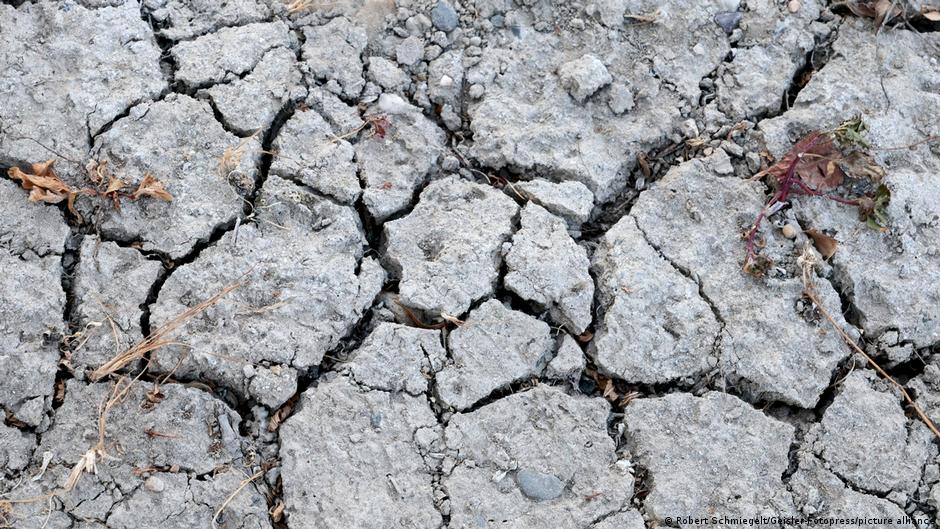
So far, research institutes have not been able to quantify the impact of extreme weather conditions on inflation in Germany, but there are clear trends.
"If ships on the Rhine can only carry a fraction of their usual cargo, transport costs per metric ton will rise significantly," Torsten Schmidt, an economist at the RWI – Leibniz Institute for Economic Research, told DW.
He added that this would drive up the cost of energy sources, such as diesel and heating oil, which are in large part transported by water. He said that higher costs would be passed on to consumers.
For its data, the Food and Agriculture Organization of the United Nations (FAO) takes into account the effects of global warming, extreme weather and crop losses.
According to the FAO, food prices are currently about 30% higher than in 2020, with meat and oilseeds rising sharply since then.
Recent studies also suggest that climate change and extreme weather events are affecting inflation rates, as are supply bottlenecks as well as gas and oil price shocks caused by the US-Iran and Russia-Ukraine wars.
A study conducted by the European Central Bank (ECB) and five European research institutes entitled "Climate extremes, food price spikes, and their wider societal risks" that was published in July 2025, warned against escalating inflation.
"Central bank mandates for price stability may become increasingly challenging to deliver if more frequent extreme weather events make food prices less stable domestically and in global markets," the study states.
Read Full Story at DW World →


