Africa CDC deploys Zaire ebolavirus vaccine amid Bundibugyo outbreak in DRC
African health authorities plan to use a Zaire ebolavirus vaccine to address a rapidly spreading Bundibugyo strain outbreak in eastern Democratic Republic of Congo, which has already resulted in abou…
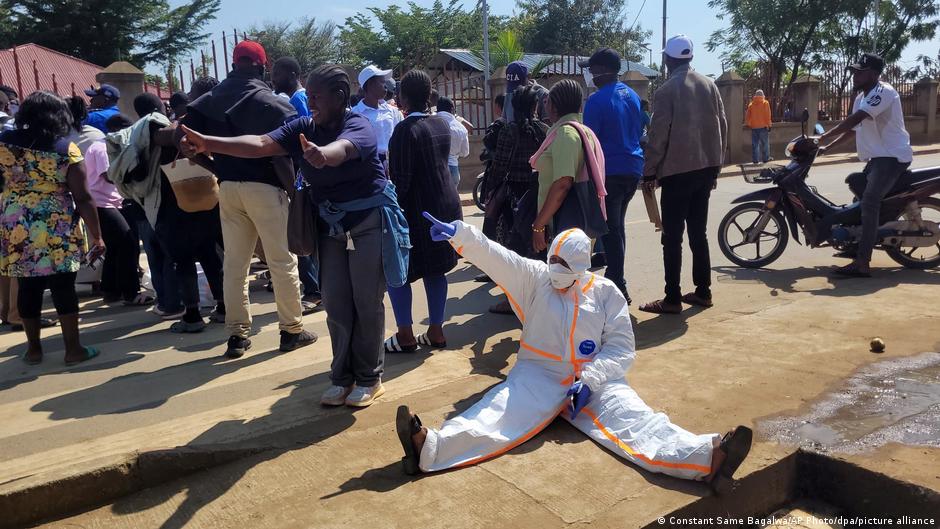
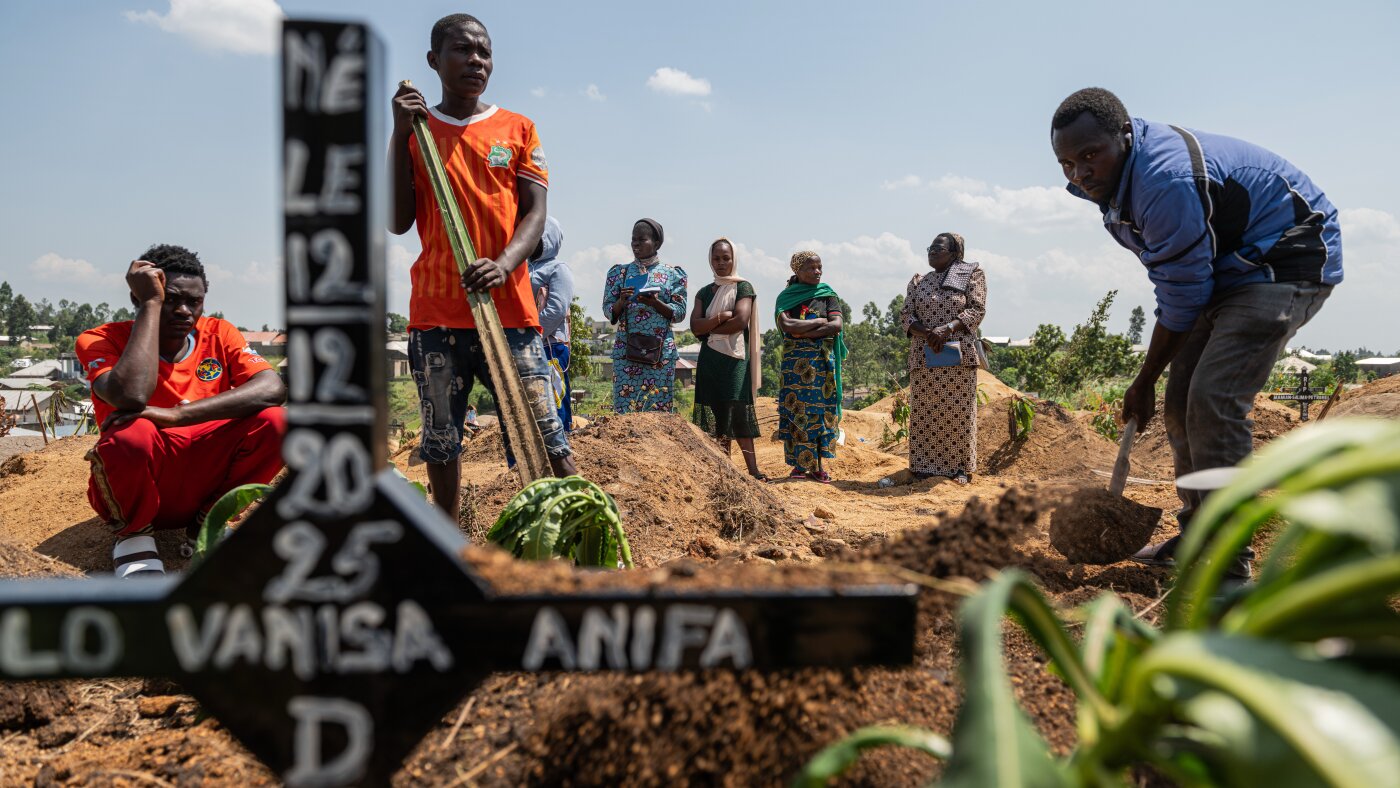
African health authorities are set to deploy a vaccine originally designed for the Zaire ebolavirus strain to combat a rapidly spreading outbreak of the Bundibugyo strain in eastern Democratic Republic of Congo (DRC). The outbreak, which has been declared only since mid-May, has already seen approximately 4,000 confirmed cases and 1,801 deaths, making it the second-largest Ebola outbreak recorded to date.
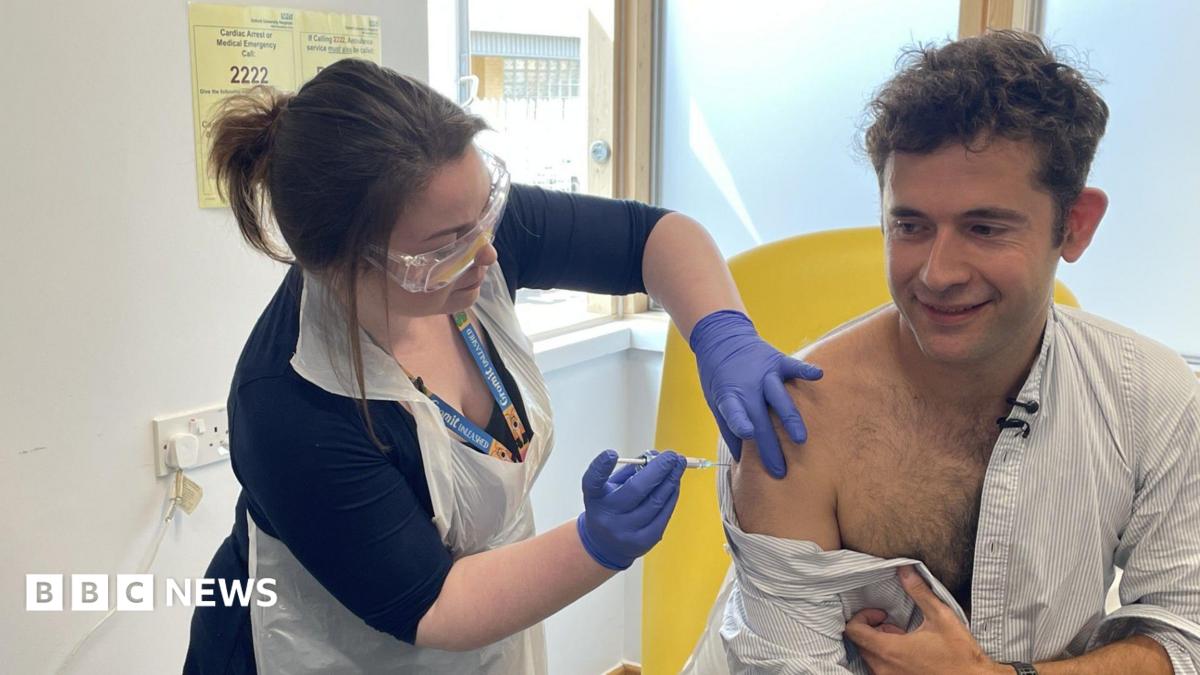
The urgency of this response is heightened by alarming reports of the Bundibugyo strain spreading six to eight times faster than previous outbreaks. Jean Kaseya, the director general of the African Centres for Disease Control (Africa CDC), announced plans for the vaccine during a videoconference following discussions with World Health Organization (WHO) Director-General Tedros Adhanom Ghebreyesus. Kaseya indicated that preliminary tests suggest the vaccine may eliminate deaths, even if it does not alleviate symptoms.
In addition to the vaccination effort, both the Africa CDC and WHO are launching research to investigate potential mutations or abnormalities in the current virus. The gravity of the situation is exacerbated by ongoing strikes and protests from medical staff in the affected regions, who are expressing concerns over payment and working conditions. As the outbreak spreads, cases have been logged in 51 health zones, a significant increase from just nine in May.
Kaseya's remarks highlighted the severity of the outbreak, noting that the current rate of identified cases is unprecedented. In DRC, one confirmed Ebola case is now being found for every 10 individuals on the contact tracing list, a sharp contrast to the previous outbreak where one case was identified for every 57 contacts. This rapid transmission underscores the need for immediate action and vigilance, particularly in cities like Bunia and the Ituri region, where nearly everyone could potentially be at risk.
Read Full Story at DW World →