Doctor uses own sperm, tells woman donor was anonymous student
A Wisconsin fertility doctor used his own sperm without disclosure, claiming it was from an anonymous student, leading to a lawsuit for fraud and emotional distress after a DNA test revealed the trut…
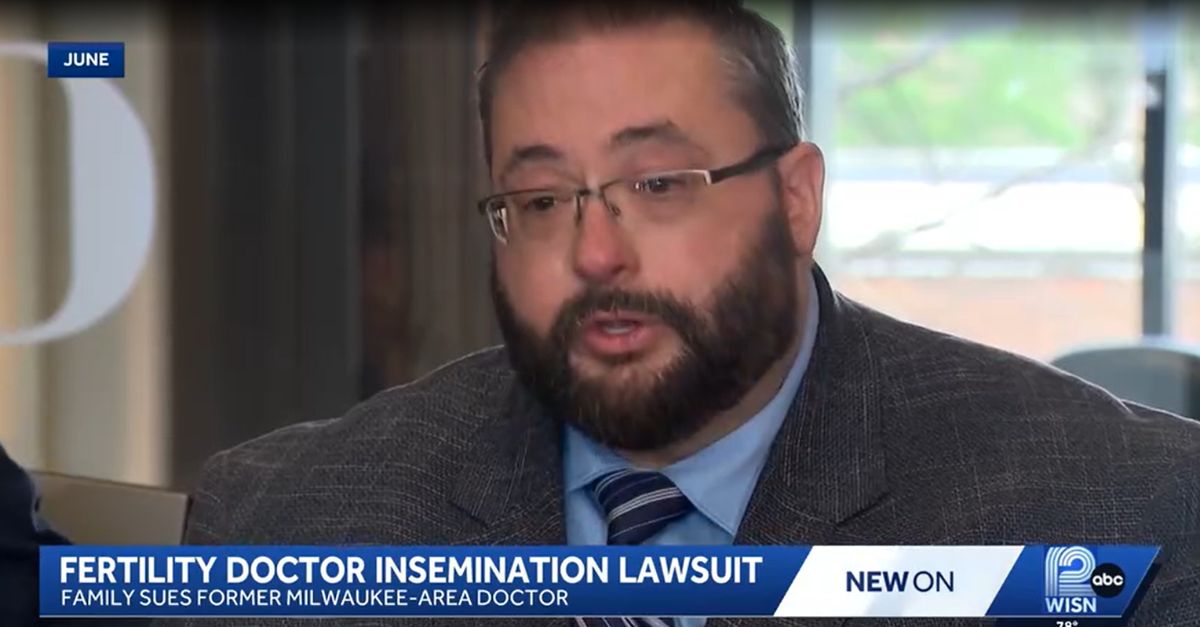
A Wisconsin fertility doctor lied to a patient by claiming her sperm donor was an anonymous medical student, when in fact the donor was the doctor himself, a lawsuit filed in Dane County Circuit Court alleges. The woman, identified only as Jane Doe in the court filing, discovered the deception after taking an at-home DNA test that revealed the doctor as the biological father of her now 4-year-old child. The lawsuit accuses the doctor of fraud, emotional distress, and intentional infliction of harm, seeking unspecified damages.
This case shines a rare legal light on the largely unregulated world of fertility clinics, where oversight varies widely and ethical corners can be cut. Fertility treatments rely on trust between patients, doctors, and donors—but when that trust is broken, the consequences ripple for decades. Wisconsin, like many states, has no specific laws governing sperm donation fraud, leaving victims with limited legal recourse. The lawsuit argues that the doctor’s deception stripped the woman of her right to make informed medical and personal decisions, including whether to use a known or anonymous donor.
The case also raises questions about consent and medical ethics. Fertility doctors are bound by professional standards to prioritize patient autonomy and transparency. Using one’s own sperm without disclosure violates the fundamental principle that patients should control their reproductive choices. The woman’s legal team argues that the doctor’s actions were not just unethical but illegal, as they misrepresented critical medical information. DNA testing has made such deceptions easier to uncover, but proving emotional and financial harm in court remains a challenge.
The lawsuit seeks compensation for medical expenses, emotional distress, and the cost of raising a child without a biological father in her life plan. It also calls for stricter regulations on fertility clinics to prevent similar cases. If successful, the case could set a precedent for holding medical professionals accountable for fraud in reproductive services. More broadly, it highlights the urgent need for states to update laws around donor conception, ensuring transparency and protecting patients from hidden breaches of trust. The outcome may influence how fertility clinics operate nationwide—and how families built through assisted reproduction are defined by law and ethics.
Read Full Story at Law & Crime →