Environmental groups sue Trump administration over Indiantown plant order
The Trump administration ordered Florida's Indiantown Cogeneration Project—a coal and biomass plant—to stay open for another year over grid reliability concerns, despite its planned closure due to pol
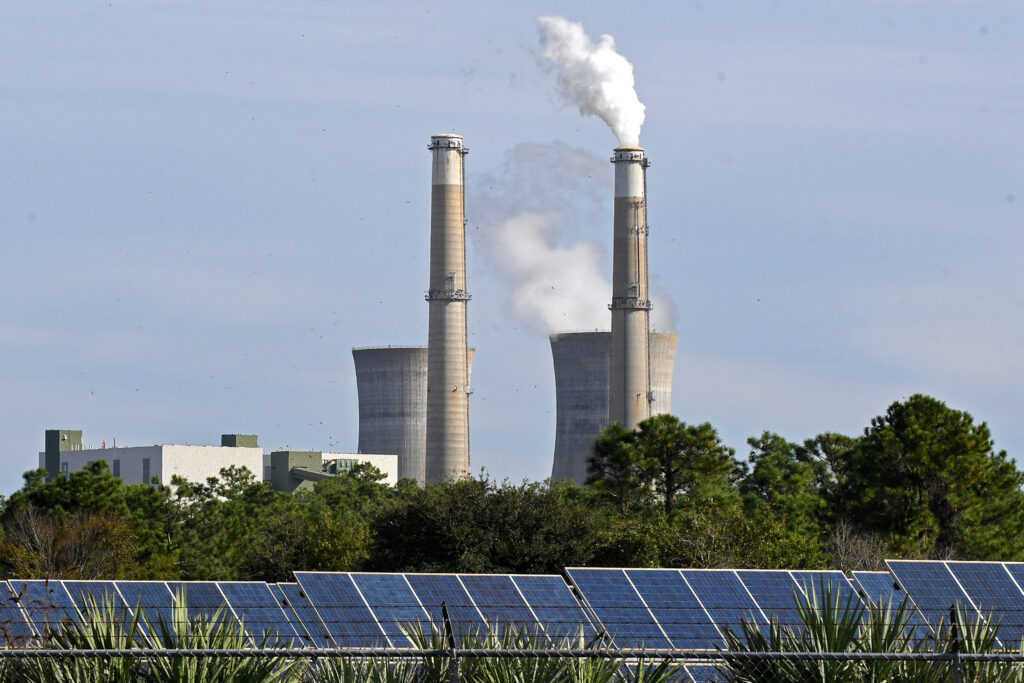
The Trump administration is facing a new legal challenge over an emergency order forcing a Florida coal plant to keep running despite its planned reti
Read Full Story at Inside Climate News →Why This Matters
The Trump administration’s intervention to prolong the life of Florida’s Indiantown Cogeneration Project is more than an energy policy footnote—it underscores a widening rift between environmental priorities and federal efforts to shore up aging infrastructure. This case could set a precedent for how future administrations balance grid stability with climate commitments, particularly in states where coal plants still hold political sway.
Background Context
The Indiantown plant, originally slated for closure due to declining economics and environmental pressures, became a flashpoint in Florida’s broader energy transition. Its biomass component complicates the narrative, as it straddles the line between renewable energy credits and legacy fossil fuel interests. Meanwhile, the Trump administration has repeatedly cited grid reliability as justification for such interventions, despite critics arguing these moves delay inevitable retirements.
What Happens Next
The immediate battle will unfold in state utility commissions and federal courts, where environmental groups are likely to challenge the order on both procedural and substantive grounds. Watch for whether Florida’s Public Service Commission resists federal pressure or capitulates, as this could signal how aggressively utilities push back against such directives. Meanwhile, the plant’s fate may influence investor confidence in renewable energy projects across the Southeast.
Bigger Picture
This episode reflects a broader pattern of federal attempts to slow the energy transition, even as market forces and state policies increasingly favor cleaner alternatives. With coal plants aging and renewables gaining ground, such interventions risk creating stranded assets while stoking conflicts between environmental goals and energy security narratives. The outcome here could embolden similar moves elsewhere—or accelerate legal and political pushback against them.


