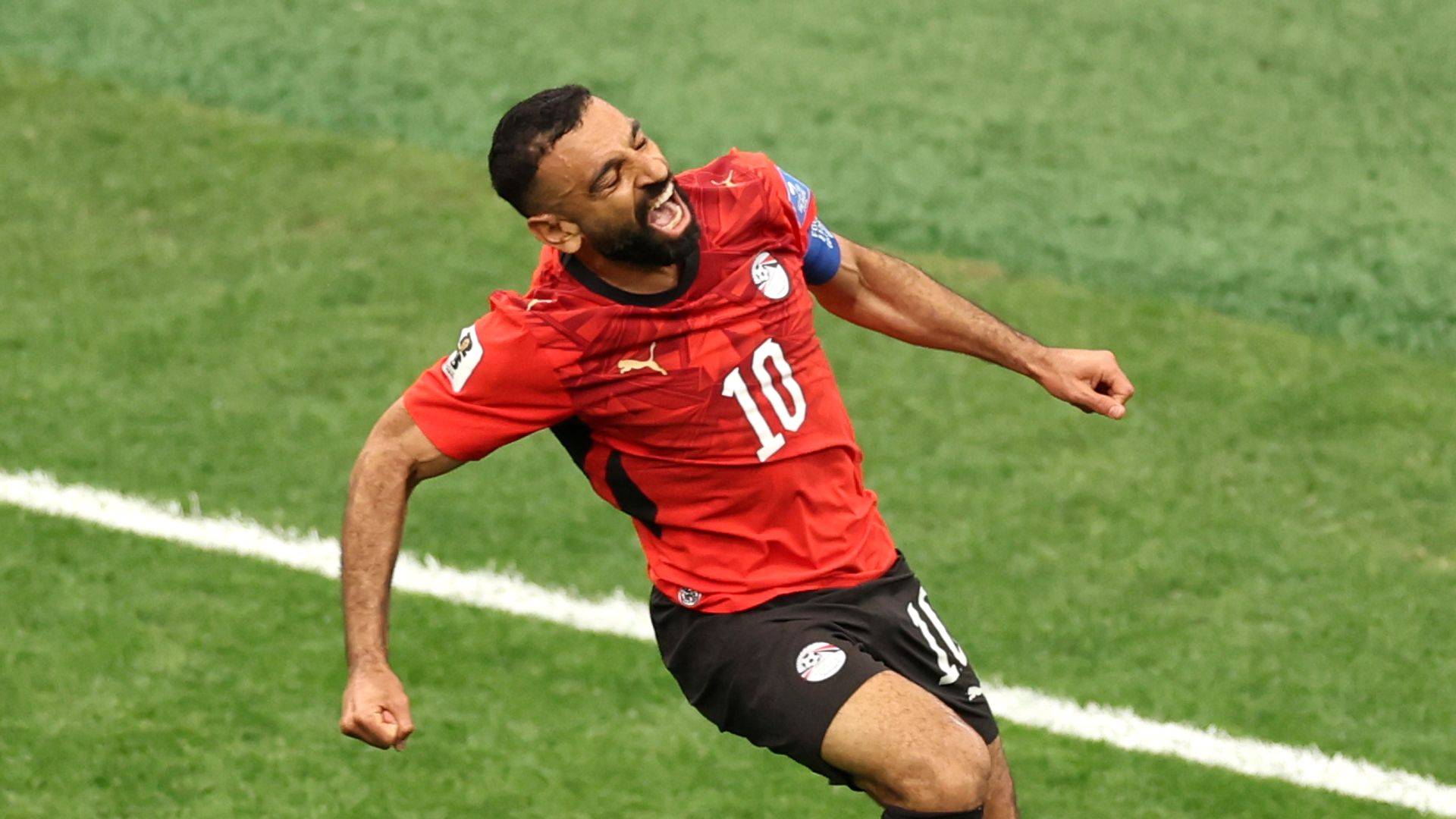
AI memes flood World Cup with fake Haaland goals
AI-generated memes portraying Erling Haaland scoring goals and dancing spread widely during the World Cup, showing how easily synthetic content can distort sports narratives. This highlights AI's grow

Norwegian striker Erling Haaland has become an AI-generated internet meme after a slow start at the World Cup. Fans online are using AI tools to creat
Read Full Story at Wired →Why This Matters
The rapid spread of AI-generated content during the World Cup reveals how synthetic media can reshape public perception in real time, blurring the line between reality and algorithmic fabrication. As sports narratives become increasingly mediated by machine learning, the incident underscores the urgent need for frameworks to verify authenticity in an era where anyone can weaponize believable falsehoods.
Background Context
AI-generated memes and deepfakes have evolved from niche experiments to mainstream tools in digital culture, with platforms like TikTok and X amplifying their reach. The World Cup, as a global spectacle, has long been a testing ground for viral content, but the scale of synthetic Haaland content suggests a tipping point where AI no longer amplifies human creativity but begins to replace it.
What Happens Next
Sports leagues and social media platforms may accelerate the adoption of AI detection tools, though the cat-and-mouse game between creators and moderators is likely to intensify. Fans could grow skeptical of viral content entirely, forcing a shift toward verified, human-curated narratives—or conversely, embrace synthetic media as an acceptable form of entertainment.
Bigger Picture
This episode reflects a broader shift toward algorithmic storytelling, where AI doesn’t just assist but dictates the contours of public discourse. As synthetic media becomes indistinguishable from reality, the challenge isn’t just technological but existential: preserving the integrity of shared experiences in a world where truth is increasingly optional.