Small businesses protest EU's €300 registration fees for PFAS packaging rules
New EU rules banning PFAS in food packaging have raised concerns among small businesses due to the financial and administrative burdens of compliance, including registration fees up to €300 per count…
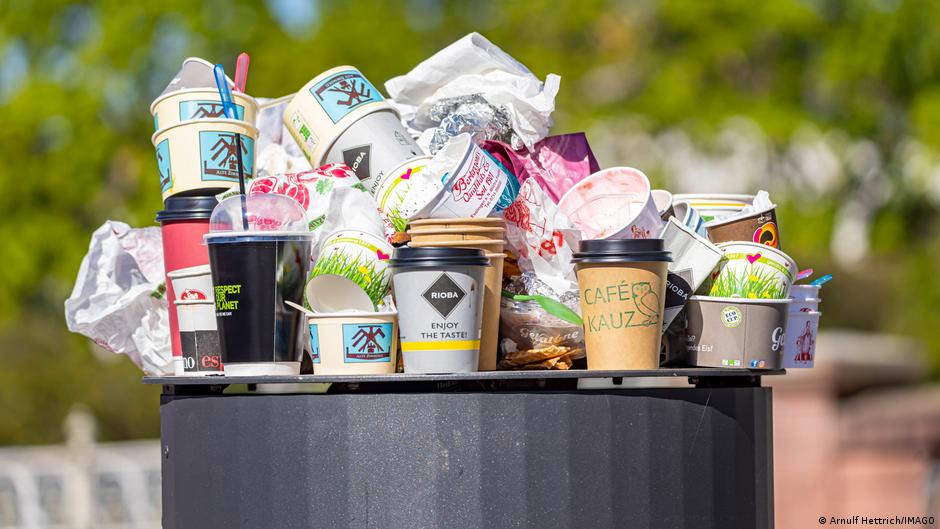
New European Union rules banning high levels of PFAS, known as "forever chemicals," in food packaging took effect on Wednesday, sparking concern among small businesses across the region. The new regulations are part of the broader Packaging and Packaging Waste Regulation (PPWR), which mandates stricter standards for packaging that contacts food. This move aims to address health risks associated with PFAS, which have been linked to certain cancers and other serious conditions.
The urgency behind these changes stems from growing scientific evidence about the long-term effects of PFAS exposure. These chemicals, commonly used to make packaging resistant to grease and water, can accumulate in both the environment and the human body. While the typical exposure levels from food packaging are low, health experts warn of the potential dangers, prompting the EU to act. In addition to the PFAS ban, the EU recently imposed restrictions on bisphenol A (BPA) in food-contact materials, further tightening the regulations on packaging safety.
Despite the health benefits, many small businesses are voicing their frustration. They argue that the new rules impose significant financial and administrative burdens. Firms are now required to register their packaging in multiple EU countries, with fees reaching up to €300 ($346) per country annually. Händlerbund, the German online retailers' association, expressed concern that the regulations could hinder cross-border trade rather than facilitate it. EU lawmaker Elisabeth Dieringer highlighted the disproportionate impact on medium-sized firms, stating that the compliance costs could reach five figures, leaving smaller companies struggling to survive.
The backlash is evident, as some businesses have already paused deliveries to and within the EU, citing the overwhelming costs and complexity of compliance. The owner of Monstaas Workshop, a small online store, lamented the necessity of appointing an authorized representative in each EU country, a requirement that poses unsustainable financial challenges. Meanwhile, companies like iLabs Electronics have ceased web orders from EU countries, stating that the administrative burden outweighs their sales volume. As these regulations unfold, the concerns of small businesses could reshape the landscape of trade in the EU.
Read Full Story at DW World →