Euclid telescope reveals Milky Way's heart
Euclid’s infrared image exposes the Milky Way’s crowded center in never-before-seen detail, letting scientists study star birth and black holes through the dust that blocks visible light. NASA’s upcom
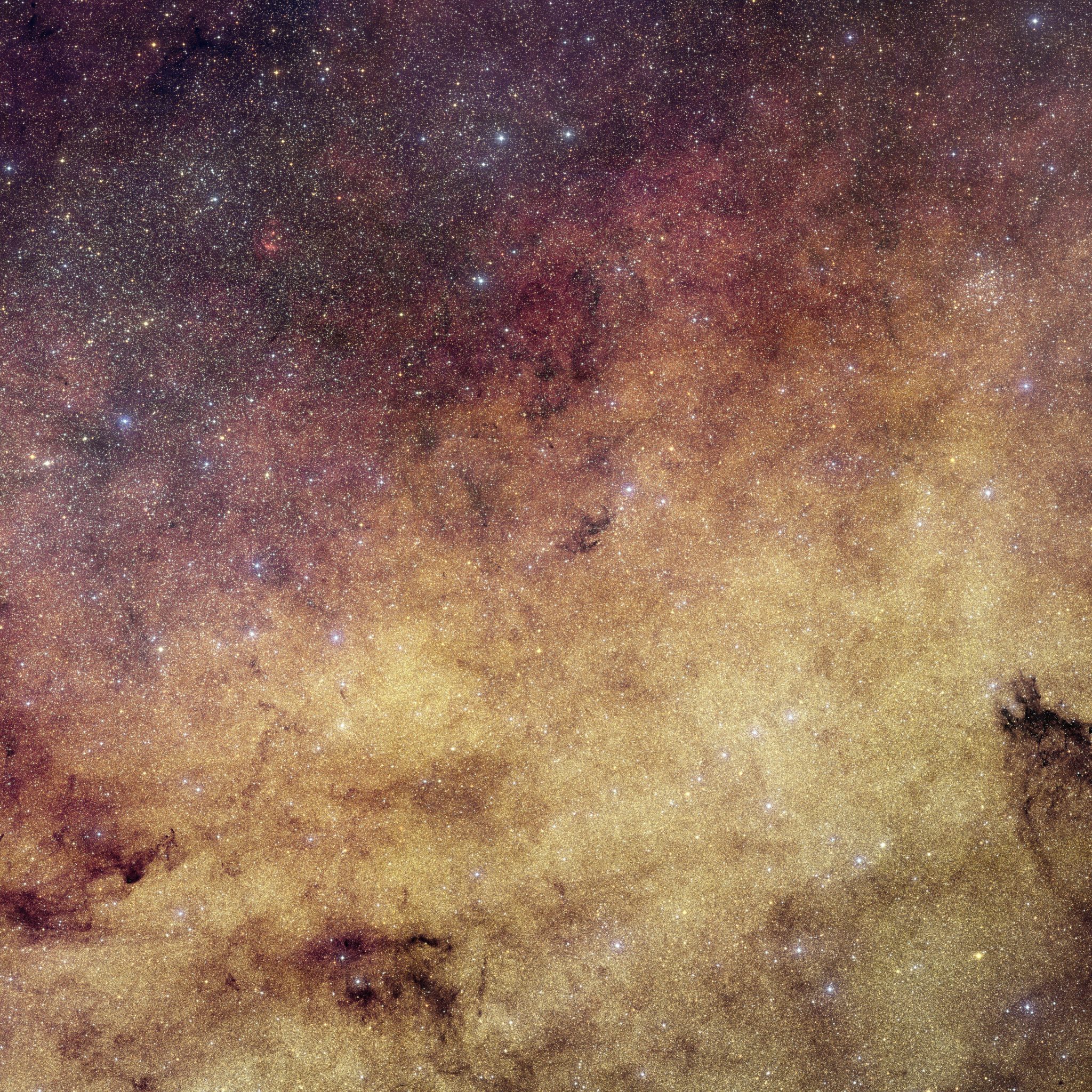
The European Space Agency’s Euclid telescope just snapped the sharpest infrared image yet of the Milky Way’s central bulge, revealing thousands of sta
Read Full Story at NASA →Why This Matters
The Euclid telescope’s latest infrared image of the Milky Way’s heart isn’t just a breakthrough in astronomical imaging—it’s a critical step toward unraveling the complex interplay between star formation, black holes, and the dense interstellar dust that has long obscured our galaxy’s central secrets. By piercing through cosmic haze that optical telescopes cannot, this data offers a rare glimpse into processes that shape galaxies across the universe, from stellar nurseries to the supermassive black hole at our galaxy’s core.
Background Context
For centuries, the Milky Way’s central region has been a frustratingly opaque puzzle—visible light telescopes struggle to penetrate the thick layers of dust and gas that shroud it, leaving key questions about star formation and black hole dynamics unanswered. Missions like NASA’s Chandra X-ray Observatory and the James Webb Space Telescope have provided glimpses, but Euclid’s infrared capabilities mark a new era of comprehensive, high-resolution mapping that could redefine our understanding of galactic evolution.
What Happens Next
As Euclid continues its survey, astronomers will likely cross-reference this data with observations from other telescopes like JWST and ALMA to build a multi-wavelength picture of the galactic center, potentially uncovering new star clusters or revealing unexpected structures around Sagittarius A*. The findings could also refine models of how supermassive black holes influence their surroundings, while simultaneously testing theories about dark matter’s role in shaping the Milky Way’s core.
Bigger Picture
This milestone reflects a broader shift in astronomy toward high-precision infrared astronomy, where instruments like Euclid and JWST are opening windows into previously invisible corners of the cosmos. As these technologies advance, they’re not just expanding our knowledge of the Milky Way—they’re setting the stage for future discoveries that could reshape cosmology, from the origins of galaxies to the nature of dark matter itself.







