Euclid captures Milky Way heart for NASA’s Roman survey
Euclid’s infrared image of the Milky Way’s core reveals stars, star-forming regions, and rogue planets through cosmic dust, providing critical data for Roman’s upcoming survey. This early coordination
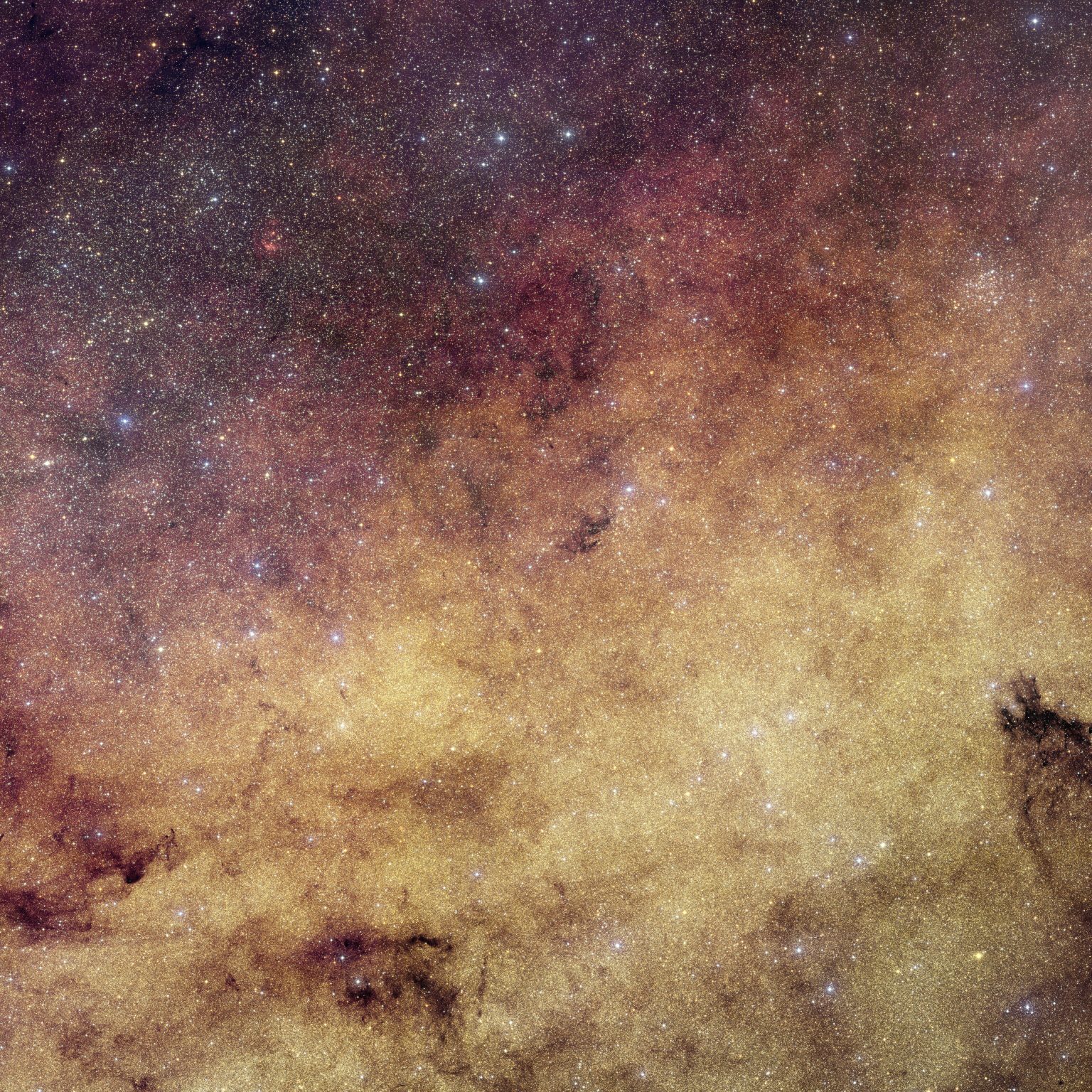
Euclid, the European Space Agency’s space telescope with NASA support, has snapped a sharp new image of the Milky Way’s crowded core—a patch of sky th
Read Full Story at NASA →Why This Matters
This Euclid image marks a pivotal moment in space-based astronomy, demonstrating how near-infrared capabilities can pierce the Milky Way’s dense dust clouds to reveal hidden stellar populations. The data not only enhances our understanding of galactic dynamics but also serves as a critical calibration tool for Roman’s forthcoming survey, ensuring unprecedented precision in mapping the universe’s structure.
Background Context
Launched in 2023, ESA’s Euclid mission was designed to explore dark matter and dark energy, yet its infrared instruments have serendipitously captured some of the most detailed views of our galaxy’s core. Meanwhile, NASA’s Roman Space Telescope, slated for 2027, will leverage these findings to conduct a 10-year infrared survey, building on the legacy of the Hubble and James Webb telescopes.
What Happens Next
Roman’s survey will likely prioritize regions like the Milky Way’s core, where Euclid’s imagery has already revealed unexpected complexity in star formation and planetary systems. Astronomers will scrutinize the data for anomalies—such as rogue planets or intermediate-mass black holes—that could reshape theories of galactic evolution. The collaboration between Euclid and Roman may also set a new standard for multi-mission coordination in astrophysics.
Bigger Picture
This cross-mission synergy reflects a broader shift toward integrated space exploration, where complementary instruments work in tandem to solve cosmic puzzles. As next-generation telescopes like Roman and Euclid push the boundaries of infrared astronomy, they are also paving the way for future projects that could uncover the origins of stars, planets, and even life itself.






