Europe's wildfires are igniting forgotten WWII and Cold War bombs
Europe's wildfires are igniting forgotten WWII and Cold War bombs Europe is full of buried explosives left over from 20th century wars, and the continent’s wildfires are now big enough, hot enough a…
Europe's wildfires are igniting forgotten WWII and Cold War bombs
Europe is full of buried explosives left over from 20th century wars, and the continent’s wildfires are now big enough, hot enough and last long enough to reach them
When a wildfire broke out in the Müritz National Park of north-eastern Germany in July, it was no routine firefighting job. Bomb disposal teams had to work alongside firefighters because the forest floor is contaminated with Cold War-era munitions. Crews could not approach parts of the blaze directly for fear of detonations.
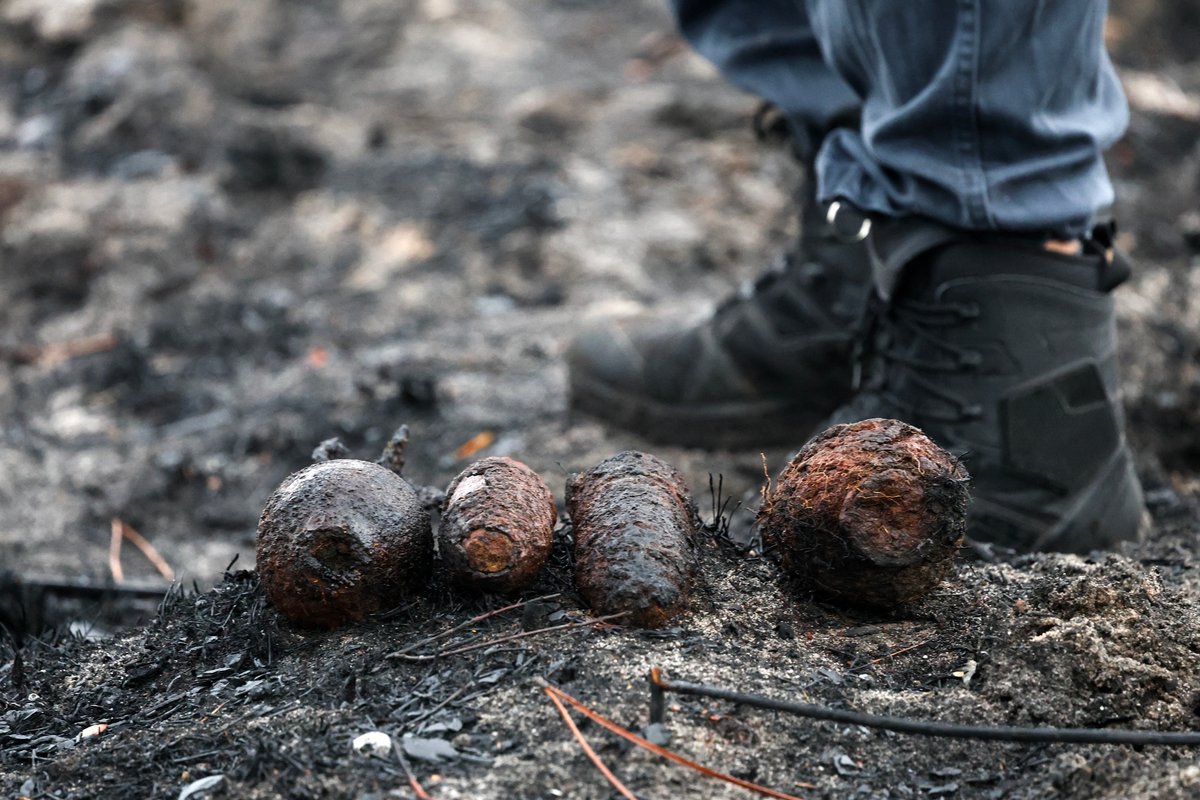
Soon after, a wildfire tore through 42,000 hectares of the Gironde region in Southwestern France. As it burned through fields near the village of Le Porge, the fire exposed a forgotten cache of Second World War-era shells. At least 75 were recovered from the scorched earth.
Several of the shells had detonated during the fire and one projectile punched through the wall of a house that had been evacuated. The local mayor, Martial Zaninetti, said the municipality had no record the munitions were there at all.
If you're enjoying this article, consider supporting our award-winning journalism by subscribing . By purchasing a subscription you are helping to ensure the future of impactful stories about the discoveries and ideas shaping our world today.
These events are symptoms of a clear problem: Europe is full of buried explosives left over from 20th century wars, and the continent’s wildfires are now big enough, hot enough and last long enough to reach them.
While buried munitions are always dangerous, they are usually undisturbed enough not to go off. What changes during a wildfire is heat and pressure. Explosive fillings can ignite or detonate when heated past a critical threshold. Old ordnance is also often more unstable than it was when manufactured as decades of corrosion can make casings and fuses more sensitive.
Read Full Story at Scientific American →