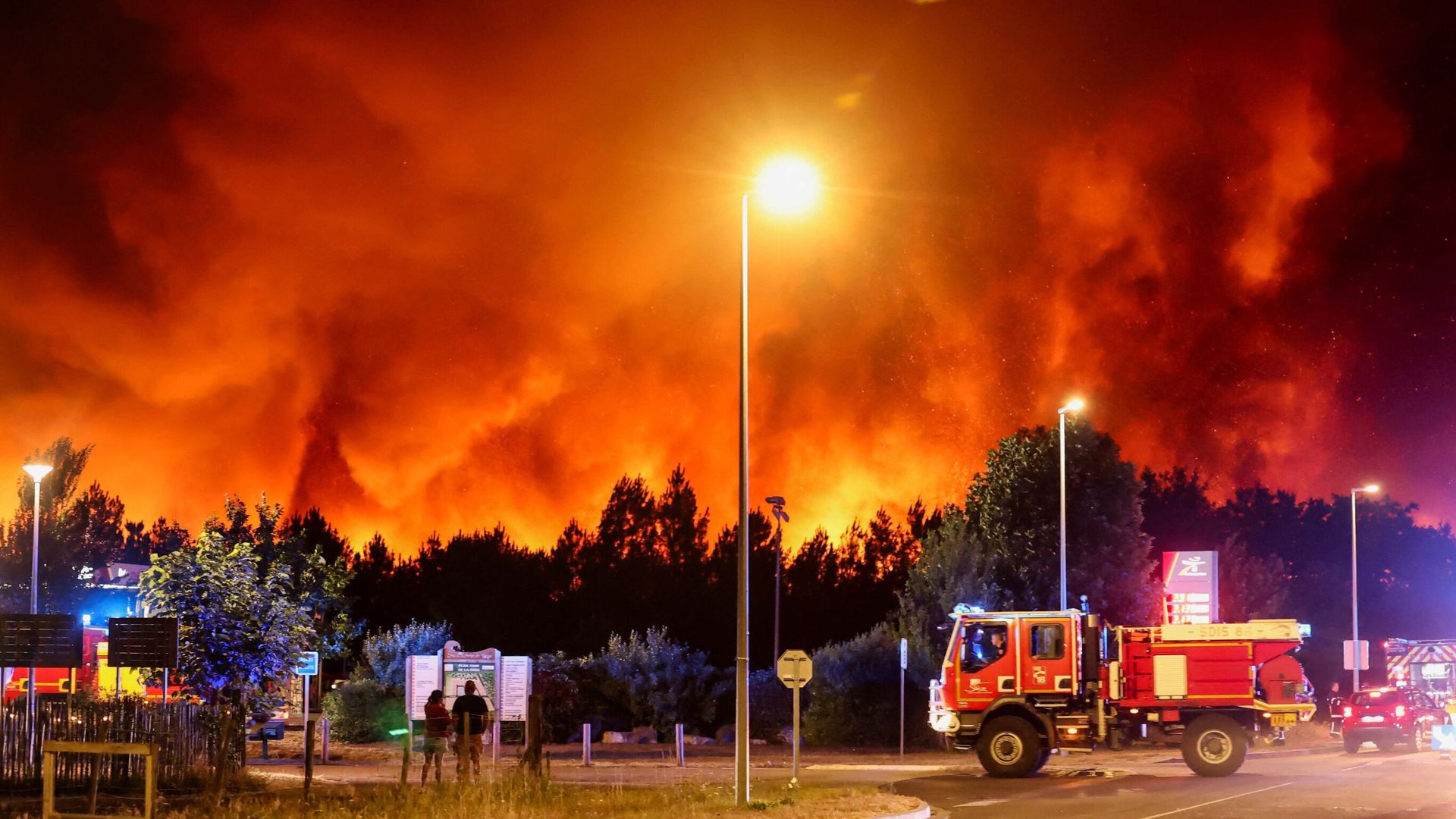
Historic wildfires in Spain and France create dangerous storm clouds
Historic wildfires in Spain and France have burned vast areas, with one fire in Spain alone consuming land equivalent to New York City, while a fire in France created a dangerous fire cloud. This ala…
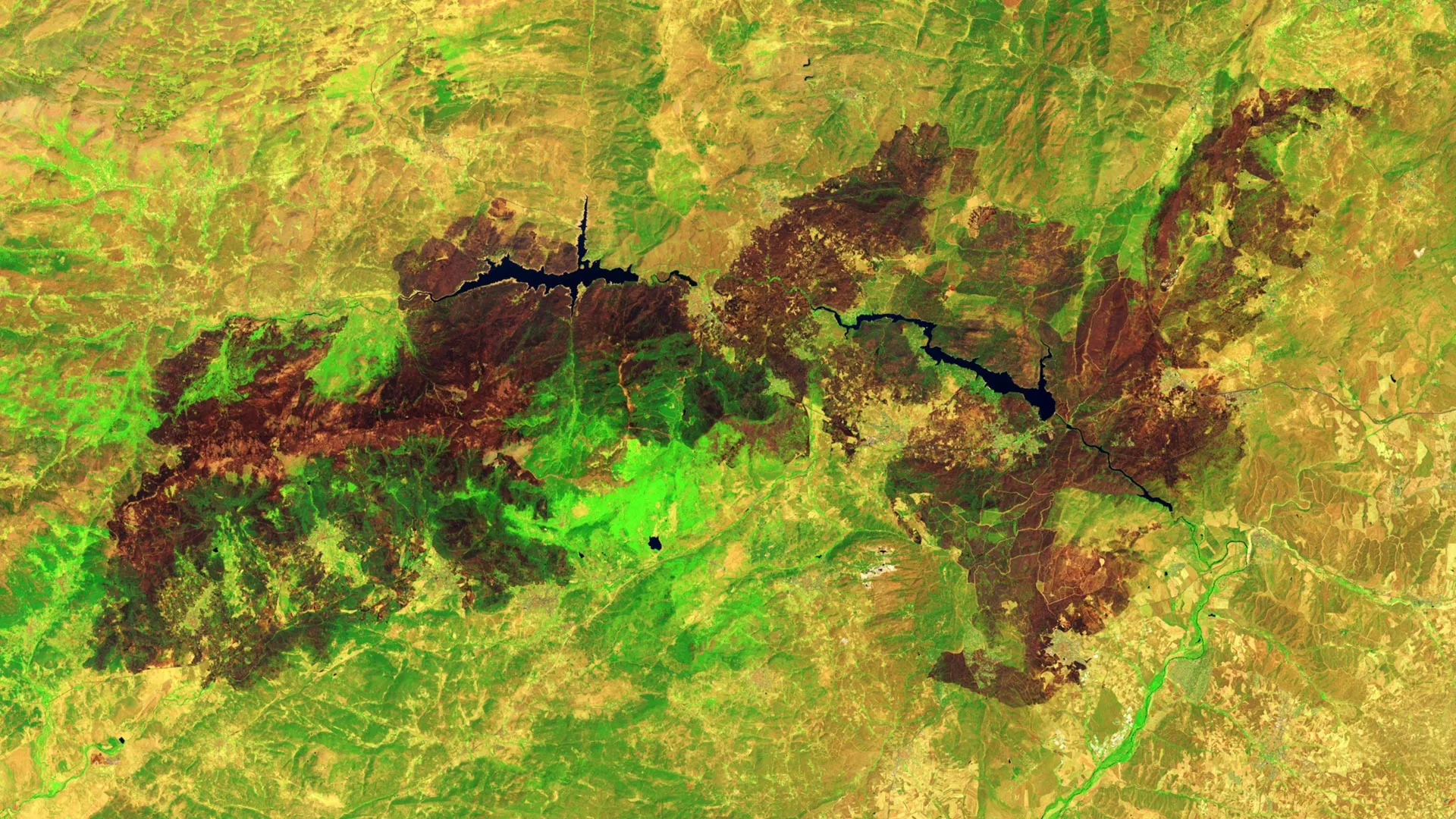
Historic wildfires have ravaged large regions of Spain and France, with one fire in Spain consuming an area roughly the size of New York City. Meanwhile, a separate blaze in France produced a rare phenomenon known as a fire cloud, which can lead to extreme fire behavior and dangerous weather conditions. This surge in wildfires is attributed to a potent mix of lush winter vegetation, extreme heat, persistent drought, and strong winds, all of which have created a perfect storm for wildfires to thrive.
This situation is particularly alarming as Europe grapples with the increasing frequency and intensity of wildfires linked to climate change. Average temperatures across the continent have risen significantly over the past few decades, leading to longer and more severe fire seasons. In the wake of recent heatwaves, the landscape has become more susceptible to fires, and the past winter's abundant rainfall fueled excessive plant growth. When summer arrived with high temperatures and low humidity, this vegetation turned into a tinderbox, ready to ignite.
The scale of destruction is staggering. In Spain, the wildfires have burned tens of thousands of acres, displacing communities and threatening wildlife. The fire cloud in France, a towering plume of smoke and ash, serves as a visual reminder of the fires' intensity and the potential for creating severe weather conditions. Experts warn that such phenomena can generate lightning, further igniting new fires and complicating firefighting efforts. These events highlight the urgent need for improved fire management strategies and climate adaptation measures across the region.
Looking ahead, the increasing severity of wildfires will likely prompt European governments to reevaluate their policies on land management and emergency preparedness. As climate conditions continue to shift, the risk of future wildfires remains high, necessitating a proactive approach. This may include investing in sustainable forestry practices, enhancing community awareness about fire risks, and bolstering firefighting resources. The unfolding crisis reflects a broader global challenge, as regions around the world face similar threats from climate change, underscoring the need for cooperative efforts to mitigate and adapt to these changing conditions.
Read Full Story at ScienceDaily →