Study shows EV batteries retain 90% capacity after 150,000 kilometers
A new study reveals that electric vehicle (EV) batteries maintain about 90% of their capacity after 150,000 kilometers, alleviating concerns about battery longevity. This finding is crucial as it may…
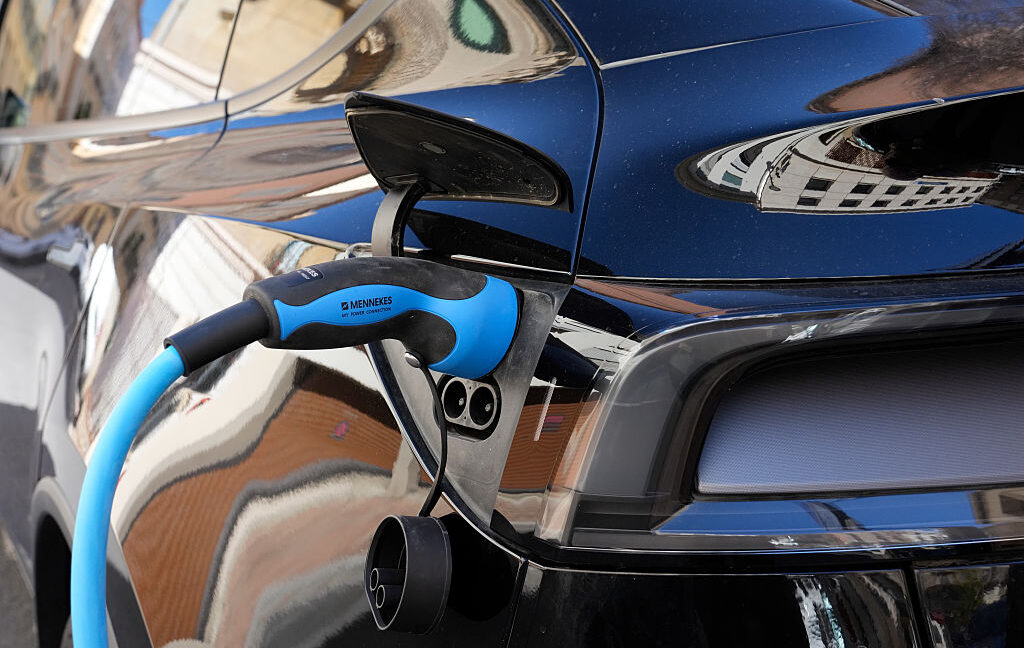
A new study shows that electric vehicle (EV) batteries can retain about 90% of their original usable capacity after 150,000 kilometers, easing long-standing concerns about battery longevity and performance. This finding comes as the EV market continues to grow rapidly, with more consumers considering electric cars due to environmental concerns and government incentives.
Battery longevity has been a significant worry for potential EV buyers, as many fear that battery degradation would lead to costly replacements. Traditionally, EV batteries have been viewed as a weak point in electric vehicles, with consumers anxious about how well these batteries would perform over the lifespan of the vehicle. As more automakers invest in battery technology and production, understanding the durability of these batteries becomes critical in reassuring buyers and encouraging wider adoption of electric vehicles.
The study's results are based on real-world data, which provides a more accurate picture of battery performance compared to laboratory tests. This research not only highlights the advancements in battery technology but also reflects the ongoing improvements in EV manufacturing processes. As manufacturers continue to innovate, it is likely that battery life will improve further, reducing concerns over replacement costs and enhancing the resale value of used EVs.
Looking ahead, the implications of this study could influence consumer behavior and policy decisions around electric vehicles. With increased confidence in battery longevity, more drivers may be willing to make the switch to EVs, potentially accelerating the transition to cleaner transportation. As governments push for reductions in carbon emissions, understanding battery performance will be essential for shaping future regulations and incentives aimed at promoting electric vehicle adoption.
Read Full Story at Ars Technica →