‘Every day it’s more barriers’: how the US is shutting out climate refugees
As the US shuts its doors to most refugees, there’s little hope of a new system to help those forced from home by climate impacts Trump targets migrants from countries hit most by climate shocks M illions of people around the world are having their lives upended by floods, stor
As the US shuts its doors to most refugees, there’s little hope of a new system to help those forced from home by climate impacts
Trump targets migrants from countries hit most by climate shocks
M illions of people around the world are having their lives upended by floods, storms and heatwaves worsened by the climate crisis . Those forced to flee their home countries, however, are finding that the door to the US is more firmly shut than ever.
Neither US nor international law recognizes environmental hazards, such as climate-related displacement, as a valid cause to claim asylum or gain entry through other migration pathways, despite the mounting toll of disasters caused by an overheating planet.
But those who have managed to get to the US through other means after being displaced in this way now find themselves in an even more precarious position following Donald Trump ’s immigration crackdown, with little hope of a new system to help others forced from their homes by climate impacts.
For some, that pathway to the US has been particularly perilous. When Hurricane Mitch crashed into Honduras, killing 7,000 people, one affected family surveyed the unsalvageable ruins of their home and realized they had a lifeline – to move to the US.
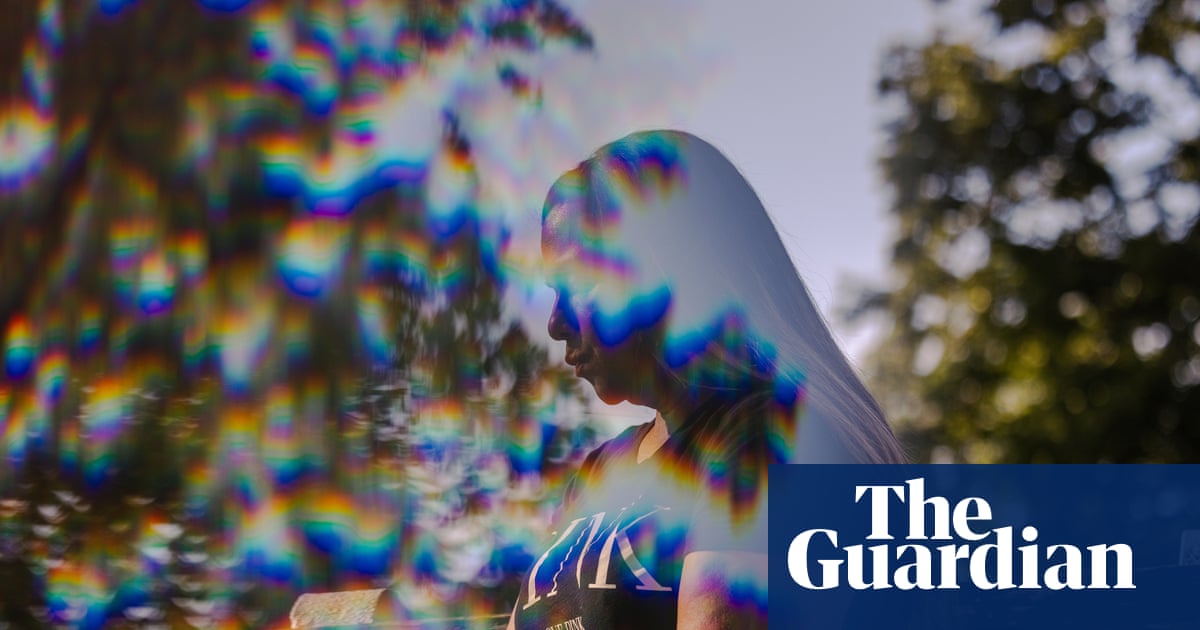
Evelyn, who does not want to share her full name, was a teenager when Mitch hit in 1998 and recalled how her relatives in New York City pleaded with her mother to bring her and her sister to the US.
“There were bodies and dead animals floating in the water, the house was messed up, the furniture was all gone – doors, windows gone. It was so, so sad,” said Evelyn. “I got sick because of the mosquitoes and didn’t have any services to rebuild the house because our country is very poor. My uncle and aunt were just like, ‘OK, just bring the kids over here, don’t stay. It’s dangerous.’”